Kansai Airports Drives Hydrogen Fuel Cell Innovation with Zero-Emission Buses Ahead of Expo 2025
Kansai Airports launches its second hydrogen fuel cell minibus, enabling expressway and tourism use. The zero-emission vehicle, developed with Kishiwada Kanko Bus and backed by government funds, supports Expo 2025 and furthers Japan's hydrogen infrastructure goals.
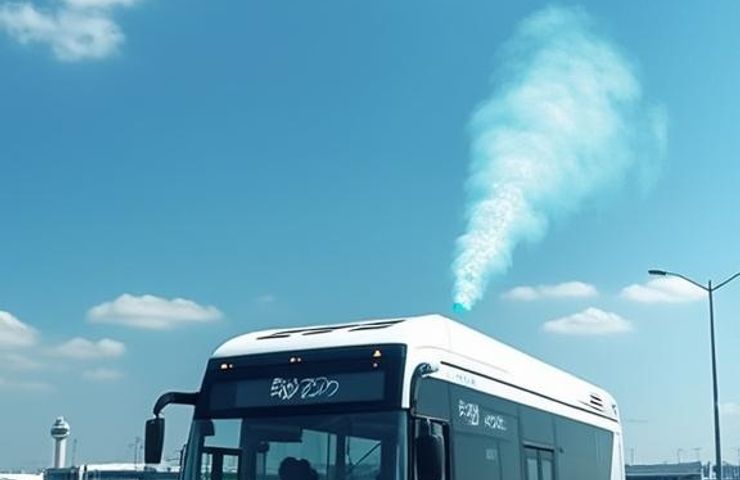
Kansai Airports has just added a second hydrogen fuel cell minibus to its fleet, taking another bold step toward zero-emissions public transport in Japan’s Kansai region. Teaming up with local transportation provider Kishiwada Kanko Bus Co. Ltd., this new bus officially hit the road on July 14, 2025. What makes it a standout? It’s the first of its kind in western Japan that's built for expressway travel—and designed for both airport transfers and sightseeing tourism. With Expo 2025 Osaka right around the corner, the launch couldn’t be better timed.
Decarbonizing One Ride at a Time
This isn’t just a sleek new bus—it’s a key piece of the puzzle in Kansai Airports Group’s bigger push to hit net-zero greenhouse gas emissions by 2050. Backed by funding from Japan’s Ministry of the Environment and the Osaka Prefecture, the minibus runs on clean hydrogen fuel cells. That means no tailpipe emissions—just water vapor. It’s quiet, efficient, and a whole lot cleaner than the diesel alternatives it’s helping replace.
Why This Matters in the Bigger Picture
Hydrogen isn’t just a buzzword—it’s becoming a real game-changer for mobility in Japan. This project adds serious momentum to the country's growing hydrogen infrastructure. With a filling station already up and running at Kansai International Airport and trials underway for hydrogen-powered forklifts and service vehicles, this new minibus is helping turn the airport into a live case study for how to scale zero-emission technology.
And with the world watching as Expo 2025 Osaka approaches, this bus rolls out at the perfect moment. It’s not just transit—it’s a high-profile example of what sustainable energy looks like in practice.
How It Works: The Science Under the Hood
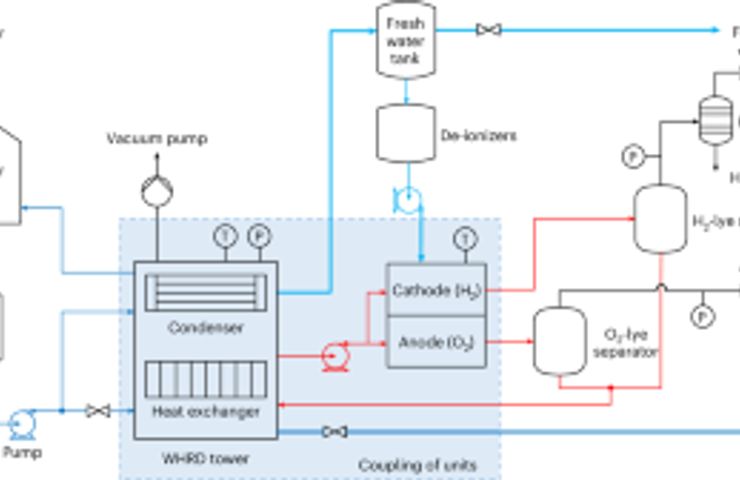
Here’s the tech breakdown: the bus generates electricity using a fuel cell stack that mixes hydrogen from its tanks with oxygen from the air. This powers an electric motor, with water as the only byproduct. It’s a clean, quiet ride—perfect for busy airport routes and tourist spots where air quality and noise levels really matter.
What Industry Leaders Should Note
- First hydrogen minibus in western Japan able to cruise expressways—setting new benchmarks for clean mobility.
- Strategically launched before Expo 2025 Osaka, giving the hydrogen revolution center stage in a global spotlight.
- Strong public-private collaboration fuels every step—vehicle rollout, infrastructure, and real-world integration.
- Advances Japan’s broader goals around sustainable transport and ambitious industrial decarbonization.
Part of a Bigger Hydrogen Push
Japan has been quietly building out its hydrogen economy for years, and everything’s starting to click. Back in 2022, Kansai International was already using a hydrogen-powered inter-terminal bus. Now, with this express-capable model on the road, we’re seeing not just tech evolution—but clear operational confidence. This isn't an experiment anymore; it's real, running, and ready to grow. And what’s working here may just be the blueprint for other busy regions looking to decarbonize.
Beyond Hype: Hydrogen in Action
For investors, policymakers, and industry insiders, this isn’t a PR stunt—it’s proof of concept. Every box is being checked: government support, private sector buy-in, working infrastructure, and measurable impact. It services airport runs, supports tourism, and blows past the lab stage straight into the real world. With Expo 2025 drawing global eyes, the timing couldn’t be better to show how hydrogen fuel cells are reshaping mobility.
Sure, challenges like fuel production costs and supply chain growth are still on the radar. But if this project tells us anything, it’s this: hydrogen isn’t waiting for the future. It’s on the road right now—quiet, clean, and making a serious difference.