INEOS Slashes Hull Site Emissions by 75% with Hydrogen Conversion
INEOS Acetyls achieves a 75% cut in emissions by converting its Hull site from natural gas to hydrogen, setting a new standard in UK industrial decarbonisation.
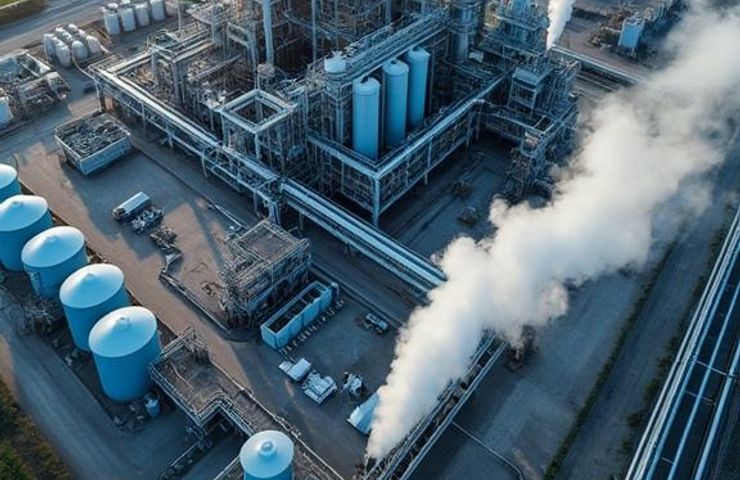
INEOS Acetyls hits a major milestone in industrial decarbonization
INEOS Acetyls has just pulled off something pretty remarkable—cutting carbon emissions by a whopping 75% at one of its key UK operations. Their Hull facility, based right in the heart of the Saltend Chemicals Park, has officially ditched natural gas in favor of low-carbon blue hydrogen to run the plant. With a bold £30 million investment, completed by July 18, 2025, this site is now a flagship example of how industrial decarbonization can actually work—and not just on paper.
Why this really matters
This isn’t one of those “net zero by 2050” press releases. This is real-world, boots-on-the-ground progress in one of the toughest sectors to clean up. Historically, places like Saltend relied heavily on fossil fuels, making them major CO2 emitters. By switching to hydrogen, INEOS isn’t just cutting emissions at the plant—it’s lowering the carbon footprint across global supply chains, since acetyls get used in everything from pharmaceuticals to water purification.
Making hydrogen work smarter, not harder
Here’s where it gets clever: the blue hydrogen powering the plant? It’s not shipped in or made from expensive renewables. It’s actually a by-product of existing processes at the site. INEOS figured out how to capture and reuse it to fuel the same plant, cutting waste while slashing emissions. Think of it as a loop—cleaner, leaner and way more sustainable. It’s a system they’re now looking to roll out at other sites like Grangemouth in Scotland and Köln in Germany.
Going green—and staying ahead of the curve
David Brooks, the CEO of INEOS Acetyls, has made it clear: it’s not about making promises; it’s about getting things done. INEOS isn’t waiting for regulations to force their hand—they’re getting ahead of EU climate rules, including the evolving EU Emissions Trading System (ETS). And there’s a business edge too. Making your own hydrogen on-site means you’re not at the mercy of global energy markets or unpredictable fossil gas prices.
“We’re not waiting around for 2050 to act. We're building competitive, low-carbon manufacturing today,” Brooks has said in previous statements—and this project proves they mean it.
A ripple effect beyond Hull
- Hull is shaking off its old image and emerging as a new low-carbon industrial leader. That’s great news for both regional pride and foreign investment.
- The plant keeps 300 direct jobs alive, plus many more across the local supply chain—stability that’s vital during the energy transition.
- And for INEOS customers? They get products with a much lower carbon footprint, helping them cut their own Scope 3 emissions.
Why this sets the tone for the future
Let’s face it, industrial decarbonization has long been labeled the “hard part” of climate action. Complex processes, massive energy use—it’s a lot to tackle. But INEOS is showing that it can be done, and done now. With growing pressure from regulators, investors, and consumers to back up net-zero goals with real action, this is the kind of move that could push the entire sector forward.
This is more than a win—it's a wake-up call
This isn’t just a feather in the cap for INEOS. It’s a loud-and-clear signal to the rest of the industry: the technology is here, the economics are starting to make sense, and bold moves are no longer optional. By reimagining how hydrogen production fits into their operations, INEOS is laying down a practical roadmap for others in energy-heavy sectors looking to embrace sustainable energy and scale up zero-emission technology.