Hyster and Briggs Deliver Hydrogen Fuel-Cell ReachStacker to Port of Tilbury
Hyster and Briggs Equipment UK have deployed a hydrogen fuel-cell ReachStacker at Port of Tilbury as a pre-production trial. Powered by a 60 kW Nuvera fuel cell and supported by GeoPura’s on-site electrolyser, the project tests integrated hydrogen infrastructure for port decarbonization.
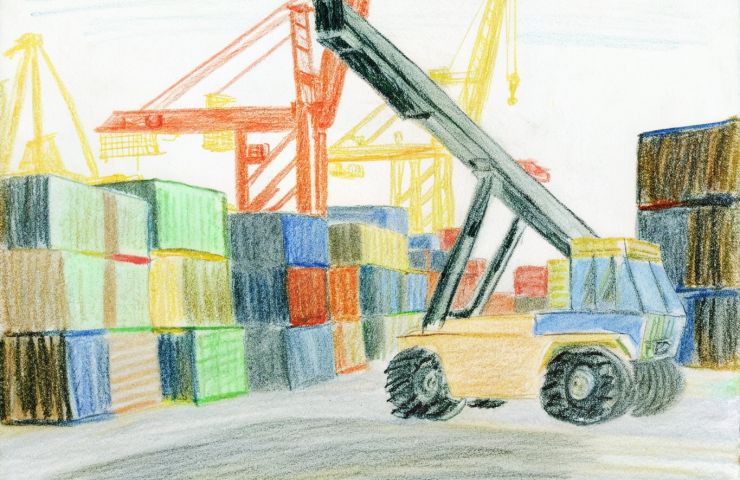
Hyster and Briggs Equipment UK have just rolled out a hydrogen fuel-cell-powered ReachStacker at the Port of Tilbury in Essex. This is a big deal as it's being heralded as the UK’s first of its kind to actually operate in a real port setting. Basically, this pre-production trial aims to find out if hydrogen fuel-cell technology can handle the demanding workloads typical of port operations while also cutting out pollution at the exhaust.
Project Background
This achievement comes on the heels of a two-year partnership between the port crew, Hyster engineers, and technicians from Briggs Equipment UK. Building on an earlier pilot project set for 2025 in Valencia, this trial taps into over a century’s worth of lift-truck innovation from the Hyster-Yale Materials Handling family. Workers at the Port of Tilbury, including the head of engineering and procurement, will be using the ReachStacker for everyday container-handling duties.
Key Project Details
- Manufacturer & Support: Hyster is the brain behind the ReachStacker and is also giving extra support through its Hypercare program.
- Dealer & Maintenance: Taking care of servicing and maintenance is Briggs Equipment UK.
- Operator: The stellar team at the Port of Tilbury, part of Forth Ports, which handles a whopping 16 million tonnes of cargo each year, adding £394 million in gross value added to the local economy.
- Fuel Infrastructure: GeoPura is working on a 1 MW on-site electrolyser under a 10-year agreement to produce green hydrogen using solar energy.
- Core Technology: It’s equipped with a Nuvera 60 kW fuel-cell engine, a 130 kWh lithium-ion battery, and 32 kg of high-pressure hydrogen storage.
- Performance Targets: Designed to work a full 12-hour shift, the ReachStacker can refuel in under 30 minutes, according to Hyster.
Technical Overview
The ReachStacker uses compressed hydrogen stored in durable tanks. Inside the Nuvera fuel-cell stack, hydrogen and oxygen react to create electricity, heat, and water—so there’s no CO₂, NOₓ, or particulate emissions to worry about. The fuel cell keeps a steady power flow while the battery steps in for peak loads, regenerative braking, and quick power bursts when lifting. Together, this dual-energy setup aims to deliver the same reliability as diesel-powered machinery without the local pollutants.
On-Site Green Hydrogen Production
With a 10-year agreement in place with Forth Ports, GeoPura plans to install a solar-powered electrolyser that splits water into hydrogen and oxygen. If solar energy dips, they can rely on grid electricity to keep production steady, although the overall emissions will vary based on the grid’s energy mix. This facility will put all pieces of the hydrogen supply chain to the test—generation, compression, storage, and refueling—all within a busy port setting.
Safety and Compliance
Storing high-pressure hydrogen isn’t without its challenges, so there are strict safety measures in place. The ReachStacker’s tanks follow international pressure-vessel standards and come with leak detectors, ventilation systems, and emergency shut-off valves. The refueling setup meets all necessary electrical classifications and safety standards, and everyone involved has undergone specialized training to handle hydrogen safely and avoid fire and explosion risks.
Strategic Drive for Decarbonization
Forth Ports is on a mission to achieve carbon-neutral operations by 2032 and aims for net-zero emissions by 2042. Diesel-powered container handlers contribute a significant amount of greenhouse gases, NOₓ, and particulate pollution—something this trial aims to eliminate. By potentially replacing 40,000 liters of diesel a year (with a tank-to-wheel emission factor of 2.68 kg CO₂/L), Hyster anticipates annual savings of over 107,000 kg of CO₂. While promising, it’s worth noting that this figure is currently based on manufacturer data and is waiting for independent verification.
Economic and Workforce Implications
This initiative might just create a demand for electrolysis technicians, hydrogen compression specialists, and safety engineers, leading to new local jobs. By generating green hydrogen on-site, the port could shield itself from fluctuating diesel prices and bolster regional hydrogen infrastructure. However, the high upfront costs for the ReachStacker, electrolyser, and refueling station remain significant hurdles to widespread adoption.
Independent Perspectives
Research from the U.S. EPA and the National Renewable Energy Laboratory points out both the potential and challenges of hydrogen fuel cells in port operations. Key obstacles include energy losses during electrolysis and compression, high infrastructure costs, and the unpredictable nature of fuel pricing. Data collected from the Tilbury site—covering uptime, hydrogen usage, maintenance schedules, and total cost of ownership—will be crucial in fine-tuning economic models.
Fuel-Cell vs Battery-Electric
When it comes to battery-electric options, they shine in areas with a reliable grid that allows for frequent charging. However, the need for large battery packs and the downtime for charging can limit continuous operations. On the other hand, hydrogen fuel-cell ReachStackers offer quick refueling and have different trade-offs that might be more suitable for ports looking to integrate zero-emission tech without slowing down their processes.
Forward Outlook
This trial with the ReachStacker is a pivotal moment for the practical rollout of hydrogen infrastructure in heavy-duty material handling. In the coming months, how well the machine performs and feedback on its operations will be key in deciding if this prototype can be transformed into a commercial solution for UK ports and beyond. Stakeholders will keep a close eye not just on how well the vehicle operates but also on the success of on-site green hydrogen production and how regulations around decarbonization evolve in the industrial sector.