Sahamco's Ambitious Green Hydrogen Project in Dakhla
Sahamco Holding BV has unveiled significant advancements in its renewable hydrogen and ammonia project in Dakhla, Morocco, targeting a capacity of one million tonnes of ammonia per year. Supported by a framework from the Moroccan government, this initiative positions Morocco as a key player in the global green hydrogen market.
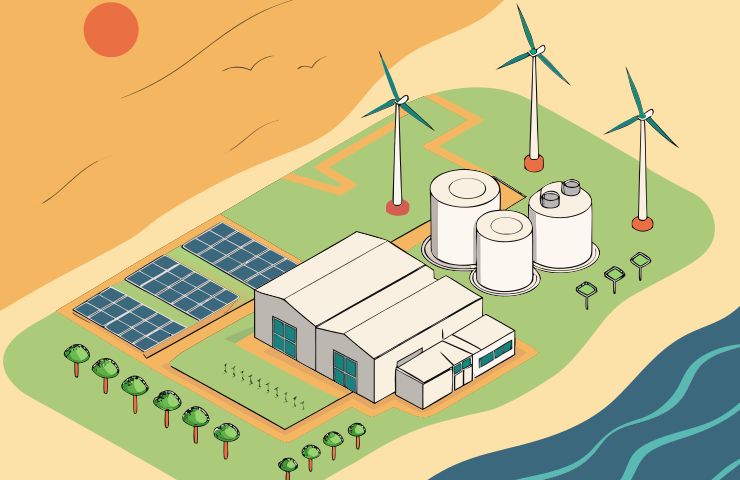
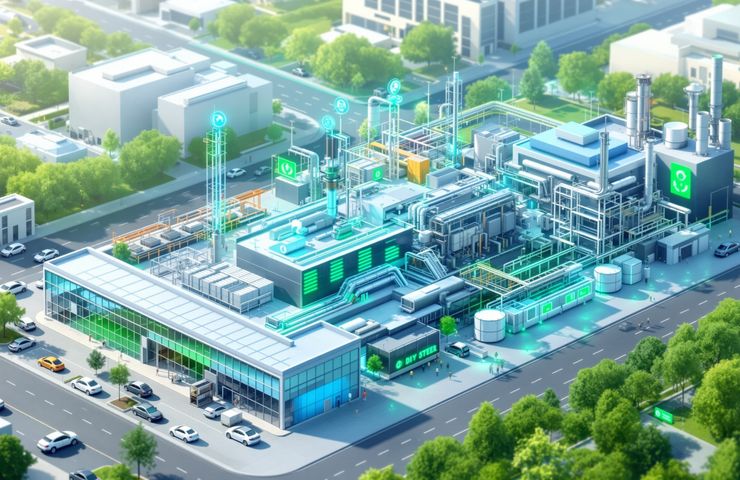
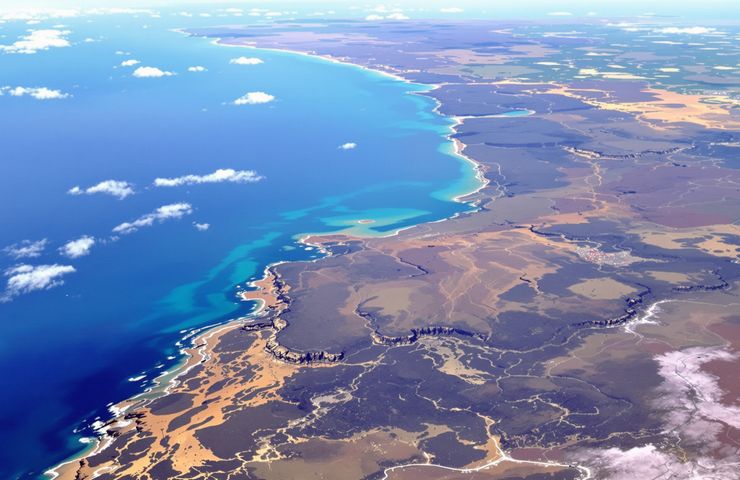
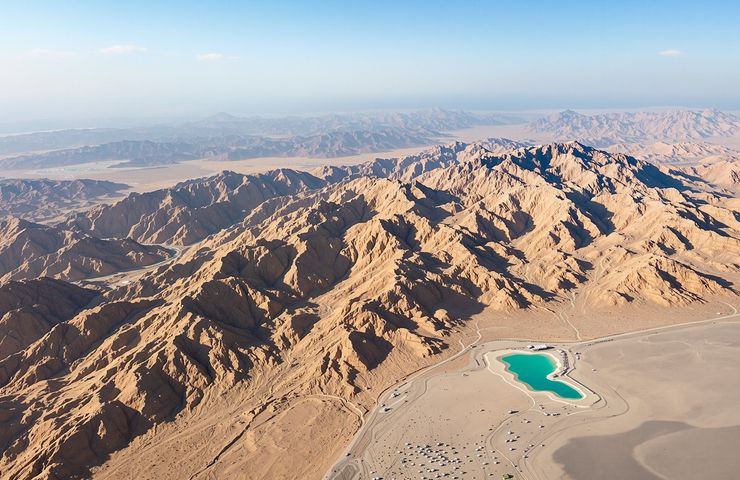
This month, Sahamco Holding BV has unveiled developments surrounding their green hydrogen and ammonia project in the Dakhla-Oued Eddahab region of Morocco. Targeting an initial capacity of one million tonnes of renewable ammonia per year, the initiative is presented as a central element of Morocco's broader approach to low-carbon fuels and follows the country’s stated green hydrogen ambitions. The proposal places renewable ammonia production at scale in a region where wind and solar resources are plentiful and where proximity to export routes could matter to offtakers and traders.
A Vision for Renewable Energy
The Moroccan government has established a framework called the ‘Morocco Offer’ to encourage integrated green hydrogen projects, enhancing the landscape for renewable energy developments. That framework highlights the importance of linking renewable electricity production, electrolysis, and ammonia synthesis in a single integrated programme. Accurate projections indicate that the overall financial investment may exceed 254 billion Moroccan dirhams (over USD 25 billion), a figure that underlines the scale developers and policymakers are contemplating. The plan, as described under the ‘Morocco Offer’, aims to create a structure for project planning and permitting that can accommodate generation assets, water supply systems and conversion facilities. In other words: the authorities are attempting to set out a pathway for investors to align power, water and chemical production at industrial scale.
Benefits Beyond Numbers
The Dakhla project aims to harness abundant solar and wind resources, coupled with the Atlantic port's logistical advantages. Those physical assets are cited as key inputs to large-scale renewable ammonia manufacture. Renewable ammonia holds a significant edge over hydrogen due to its established global trade networks, making it a practical solution for energy storage and transportation. For project planners, ammonia’s existing shipping and handling infrastructure reduces the need to invent new logistic chains for moving fuel overseas. The combination of on-site renewable electricity, long-duration storage in chemical form and access to maritime export points is central to how the proposal is being framed.
Collaborative Efforts Driving Innovation
Sahamco is not alone in this endeavor; they have partnered with industry players like NetZeroWorx and INEOS, fostering a collaborative environment essential for realizing their plans. NetZeroWorx offers vital expertise in project development, engineering, and ammonia synthesis, contributing to the comprehensive approach that defines this initiative. Sahamco lists INEOS as a technology partner related to ammonia and alkaline electrolysis, verified details surrounding their contractual obligations remain forthcoming. That sentence reflects how the company is describing the relationship publicly, and it signals that some commercial or technical arrangements have yet to be finalised or disclosed in full.
Water Treatment and Infrastructure Development
Centrally situated in the Saharan Atlantic region, Dakhla's climate enables resilient renewable electricity production, but it also raises questions about water availability. To address that constraint, the proposed project incorporates advanced water treatment and desalination techniques essential for ensuring a stable supply of high-purity water for electrolysis. Developers say those systems are necessary because electrolytic hydrogen production requires consistent, high-quality feedwater; the project therefore plans integration of desalination into its industrial water circuit. Innovative solutions will enable this initiative to efficiently manage scarce freshwater resources while minimizing environmental impacts. At the same time, planning documents indicate attention to infrastructure beyond power and water — from grid interconnection to port access — because moving bulk ammonia will depend on both local handling facilities and maritime logistics.
A Glimpse into a Sustainable Future
With a target timeline aiming for a Final Investment Decision (FID) by 2027 and commercial operations to commence by 2031, the Dakhla project sets out a multi-year development programme. Those dates map to a sequence of technical studies, financing negotiations and permitting steps that will be needed before construction and commissioning can begin. By effectively linking renewable electricity, water treatment, electrolysis, and ammonia synthesis, Sahamco is shaping a concept for integrated production that backers argue could serve both domestic decarbonization goals and export markets. The FID and commercial-operation milestones also provide a schedule against which stakeholders can measure progress as the project moves from planning into execution.
Sahamco Holding BV’s developments in Moroccan green hydrogen production are presented as more than isolated plant proposals; they are framed as part of a national and regional effort to harness renewable resources for large-scale fuels production. As initiatives like this gain momentum, proponents say the outcomes could include cleaner air, reduced carbon footprints, and new economic opportunities for the region and beyond. The company and its named partners will need to navigate the technical, commercial and regulatory steps that follow, but the project timeline and stated capacity lay out the scale of what is being proposed.