Hyosung and Seoul Energy Partner to Expand Hydrogen Infrastructure in South Korea
Hyosung Heavy Industries and Seoul Energy Corporation launch a major hydrogen infrastructure drive in Seoul, aiming to install 21 liquefied hydrogen stations nationwide and establish the city as a hydrogen mobility leader.
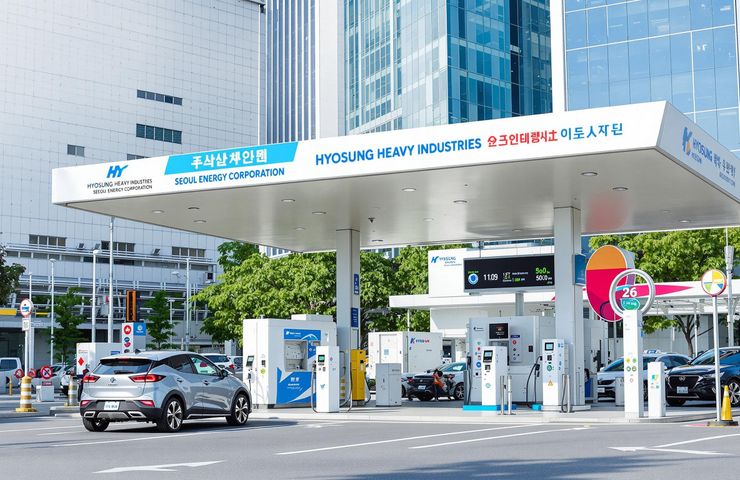
Hyosung Heavy Industries is teaming up with Seoul Energy Corporation, and together, they’re ready to supercharge the city’s shift to a hydrogen-powered transport system. The two signed an agreement on May 28, 2025, at Hyosung’s headquarters in Mapo-gu, kicking off a bold plan to bring hydrogen infrastructure not just to Seoul—but potentially across South Korea.
Pushing South Korea’s Clean Energy Agenda Forward
While this move directly targets Seoul’s transit system, it’s also a big step in South Korea’s wider strategy to hit net-zero emissions. The focus? Building out a liquefied hydrogen charging infrastructure robust enough to support everything from city buses to cutting-edge fuel cell vehicles.
Under the agreement, the partners have outlined a clear roadmap: roll out next-gen liquefied hydrogen stations, kickstart localized manufacturing, set safety standards, and identify new clean hydrogen production opportunities—all feeding into Seoul’s big-picture push for sustainable urban mobility.
Why This Partnership Matters
This isn't just another corporate handshake—it’s a blend of public and private muscle that could reshape the energy landscape:
- Hyosung Heavy Industries brings nearly two decades of hands-on experience in hydrogen infrastructure, recently completing Korea’s first liquefied hydrogen station in Gwangyang.
- Seoul Energy Corporation ensures city-level buy-in, crucial when navigating the logistics of building clean tech in crowded urban spaces.
- The cherry on top? Joint projects with Linde, one of the biggest names in global industrial gases, pushing South Korea’s hydrogen supply capabilities to a whole new level.
Hyosung has been in the game since 2000, gradually building a name in clean transport. Now, their shift toward liquefied hydrogen means faster refueling and longer range—exactly what’s needed to make fuel cell technology work at scale.
What’s the Deal with Liquefied Hydrogen?
Unlike compressed hydrogen, this stuff is stored at a frosty -253°C, which allows vehicles to carry more fuel in less space. That means faster refueling—on par with gasoline—and way more mileage, which is a game-changer for everyday workhorses like buses and freight vehicles.
And it's not just about filling up faster. These stations are being built with safety, reliability, and future growth in mind. With this partnership pushing for localized production of parts and components, costs could come down, and dependency on foreign tech gets dialed back.
Benefits Beyond Clean Air
Sure, switching to hydrogen-powered vehicles is great for the environment—it helps slash GHG emissions and improve air quality in one of the world’s most densely populated cities. But the ripple effects go further:
- New jobs: Think station construction, tech manufacturing, and hydrogen logistics.
- Homegrown innovation: Building up the local supply chain strengthens Korea’s hand in the global sustainable energy race.
- Smart public-private collaboration: This model could pave the way for progress in other green sectors too.
Seoul’s Big Bet on Hydrogen
This move plants Seoul right at the center of Asia’s hydrogen revolution. With 21 brand-new hydrogen fueling stations planned across the country and multiple programs targeting buses, taxis, and even backup power for the grid, the city is shaping up to be a real hydrogen mobility flagship.
The partnership also has its sights on long-term resilience: setting up shared safety standards and diving into hydrogen-based electricity generation to keep the ecosystem diversified and future-ready.
Looking Ahead: The Time to Act Is Now
With South Korea’s 2050 carbon neutrality goals getting closer—and global pressure mounting to adopt green hydrogen solutions—this collaboration marks a major turning point. It’s not just another big idea or conference talking point; it’s boots-on-the-ground progress.
The Hyosung–Seoul Energy partnership offers more than just infrastructure. It’s a real-time example of how smart public-private moves can unlock big wins in fuel cell technology and clean transport. This is a blueprint that other cities—and countries—will be keeping a close eye on.