Hydrogen news
Hydrogen vs Oil and Gas: Comparing Energy Sources
Ever wondered about the differences between hydrogen fuel and oil and gas? Well, you're in luck because that's exactly what we're going to chat about today. As our world continues to evolve, we need to explore cleaner and more sustainable energy sources. Let's dive into the comparison of these energy sources and see how they stack up against each other. H2 Efficiency and Energy Density First things first, let's talk about energy density. Energy density is a measure of how much energy a fuel source contains per unit of volume or mass. Oil and gas are pretty dense energy-wise, making them an at…
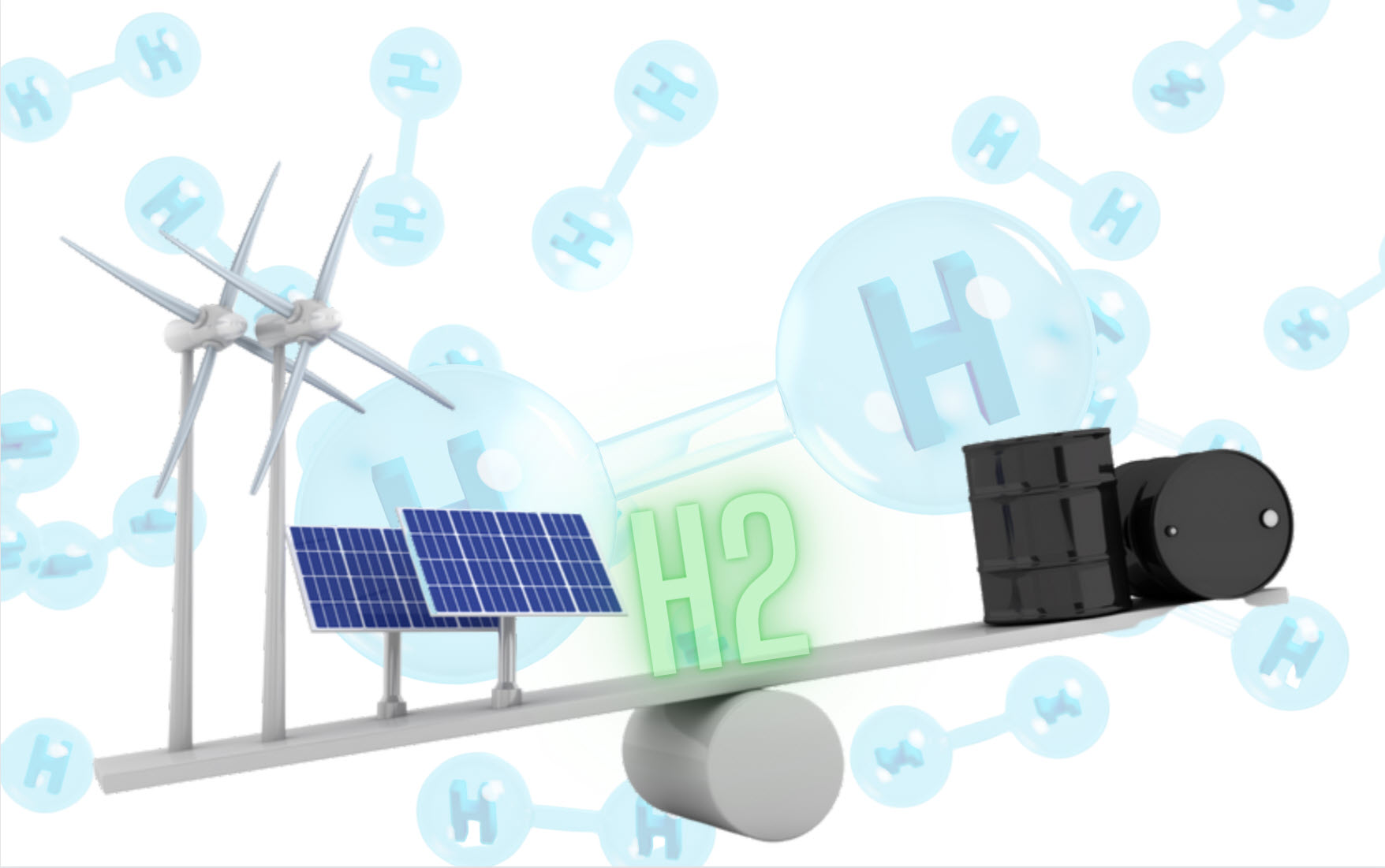
Ever wondered about the differences between hydrogen fuel and oil and gas? Well, you're in luck because that's exactly what we're going to chat about today. As our world continues to evolve, we need to explore cleaner and more sustainable energy sources. Let's dive into the comparison of these energy sources and see how they stack up against each other.

H2 Efficiency and Energy Density
First things first, let's talk about energy density. Energy density is a measure of how much energy a fuel source contains per unit of volume or mass. Oil and gas are pretty dense energy-wise, making them an attractive option. Hydrogen, on the other hand, has a high energy density per unit of mass, but its density per unit of volume is quite low. This means that storing and transporting hydrogen can be a bit tricky. Now, let's discuss efficiency. Efficiency refers to how well we can convert a fuel source into usable energy. Oil and gas have been powering our world for a long time, and we've gotten pretty good at converting them into energy. Moreover, mobile drilling rigs producers like UPET have made the oil and gas extraction as profitable as possible. However, hydrogen fuel cells are an exciting technology that efficiently convert hydrogen into electricity, producing only water as a byproduct. While they're not yet as widespread as oil and gas, hydrogen fuel cells are definitely showing promise as a more efficient and cleaner alternative for the future.H2 Environmental Impact
We all know that climate change is a huge concern, so it's important to consider the environmental impact of our energy sources. Oil and gas, well, they're not exactly eco-friendly. Burning these fossil fuels releases CO2 and other greenhouse gasses, which contribute to global warming. Plus, there's the risk of oil spills, which can cause devastating damage to ecosystems. On the flip side, hydrogen fuel has a much cleaner reputation. Remember how we mentioned hydrogen fuel cells produce only water as a byproduct? That's a big plus for the environment! While hydrogen production itself can generate some greenhouse gasses, if it's produced using renewable energy sources, its overall impact is significantly lower than that of oil and gas.
H2 Cost and Infrastructure
Oil and gas have been around for ages, so there's a massive, established infrastructure in place for their production, transportation, and storage. However, this also means that the industry is heavily invested in maintaining this status quo. Hydrogen, as a newcomer, faces some challenges in terms of infrastructure. Storing and transporting it isn't as simple as it is for oil and gas. Plus, building a new hydrogen infrastructure from scratch requires considerable investment. That being said, as more and more countries adopt cleaner energy policies, investments in hydrogen are increasing. When it comes to costs, hydrogen production can be a bit pricey, especially when using renewable energy sources. However, as technology advances and economies of scale kick in, the cost is expected to come down, making hydrogen a more competitive alternative to oil and gas.
H2 Future Potential and Challenges
When thinking about our energy future, it's important to remember that both oil & gas and hydrogen fuel have their own set of advantages and drawbacks. It's not about picking a clear winner, but rather understanding how they can coexist or transition in the energy landscape. Oil and gas have a long history and a vast infrastructure, but they're facing mounting pressure due to their environmental impact and finite nature. On the other hand, hydrogen fuel, while cleaner and more sustainable, is still an emerging technology with challenges to overcome, like infrastructure development and cost reduction. The key to future energy production lies in finding a balance between these sources, or even exploring ways to integrate them. For instance, blending hydrogen with natural gas can help reduce emissions while leveraging existing infrastructure. Additionally, technology advancements and innovative solutions will play a crucial role in addressing the challenges associated with both energy sources. We should embrace the complexities of our energy landscape and recognize that each energy source has its own role to play. By staying open-minded and investing in a diverse range of energy options, we'll be better equipped to create a sustainable and resilient energy future for everyone.H2 Wrap-up
While oil and gas have powered our world for a long time, their environmental impact and finite nature are undeniable. Hydrogen, on the other hand, offers a cleaner and more sustainable option. Though it has its own challenges, with ongoing advancements in technology and increased investment, hydrogen's potential as a major player in the energy market is becoming more apparent. Ultimately, embracing cleaner energy sources like hydrogen is essential for the future of energy production and consumption, and for the health of our planet. Join The Conversation - Let Us Know Your Thoughts Here: [forminator_poll id="58027"]How was this article?
Thanks for the feedback!