Hydrogen news
Incredible new hydrogen research sounds more like sorcery than science
Australian scientists have found a way to pull hydrogen directly out of the air. Scientists from the Monash University Biomedicine Discovery Institute in Melbourne, Australia have revealed via their hydrogen research that they have produced and analyzed an enzyme that pulls hydrogen from the atmosphere and transforms it into electricity. The enzyme is called Huc and comes from a common soil bacterium. Pulling hydrogen directly out of the atmosphere might sound like sorcery, but it’s actually scientifically made possible via a hydrogen-consuming enzyme from an everyday soil bacterium called My…
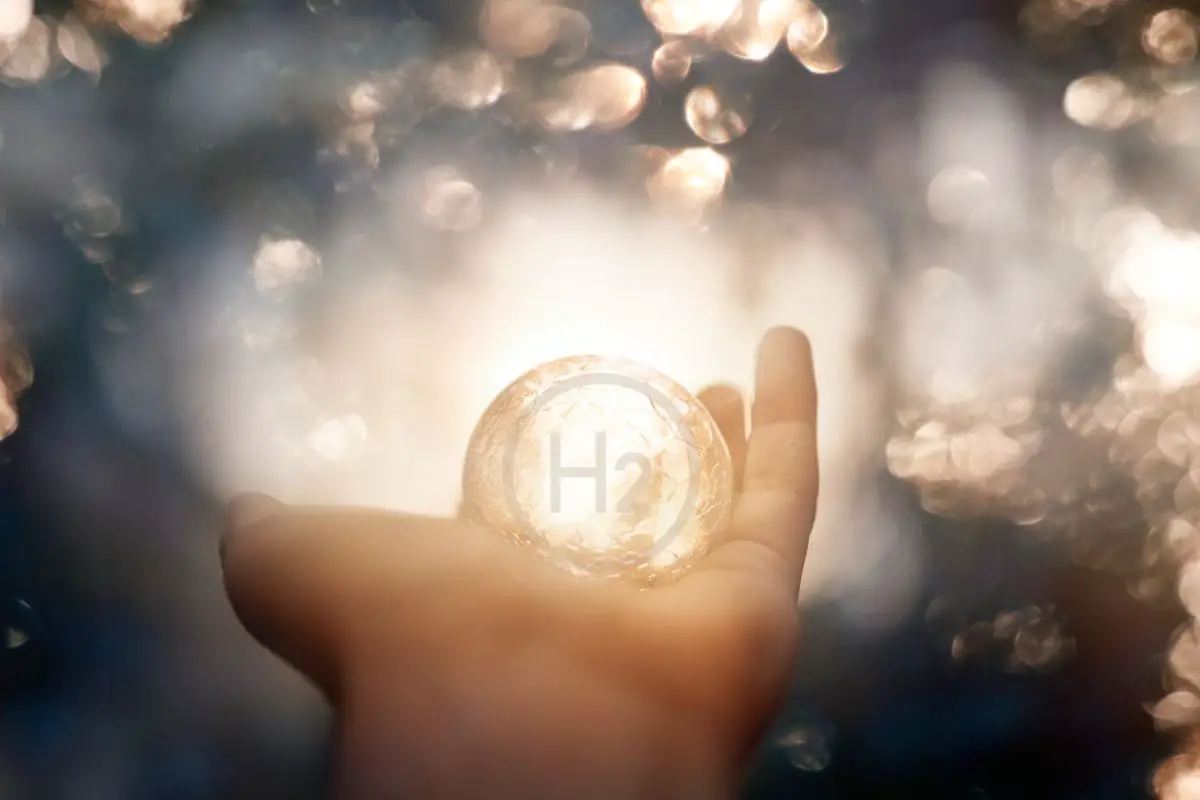
Australian scientists have found a way to pull hydrogen directly out of the air.
Scientists from the Monash University Biomedicine Discovery Institute in Melbourne, Australia have revealed via their hydrogen research that they have produced and analyzed an enzyme that pulls hydrogen from the atmosphere and transforms it into electricity.The enzyme is called Huc and comes from a common soil bacterium.
Pulling hydrogen directly out of the atmosphere might sound like sorcery, but it’s actually scientifically made possible via a hydrogen-consuming enzyme from an everyday soil bacterium called Mycobacterium smegmatis. This enzyme, known as Huc, is what can pull H2 from the air and convert it into clean power. Though the Australian scientists were aware that many bacteria can use hydrogen from the atmosphere as a power source, even in environments that are lacking in nutrients, what they discovered via their hydrogen research is how the bacteria can do this. “We’ve known for some time that bacteria can use the trace hydrogen in the air as a source of energy to help them grow and survive, including in Antarctic soils, volcanic craters, and the deep ocean. But we didn’t know how they did this until now,” said Professor Chris Greening, who was part of the research team.The scientists found some of the hydrogen research quite “astonishing”.
In addition to having the ability to transform trace amounts of hydrogen into electric currents, Huc, when purified, can be stored for surprisingly extended periods of time. “It is astonishingly stable,” explains Ph.D student Ashleigh Kropp. “It is possible to freeze the enzyme or heat it to 80 degrees Celsius, and it retains its power to generate energy. This reflects that this enzyme helps bacteria to survive in the most extreme environments.”
Additionally, what makes the hydrogen research findings even more astonishing is that the bacteria that generates the enzyme can be grown in large quantities. As such, it is an extremely sustainable resource.
“It is astonishingly stable,” explains Ph.D student Ashleigh Kropp. “It is possible to freeze the enzyme or heat it to 80 degrees Celsius, and it retains its power to generate energy. This reflects that this enzyme helps bacteria to survive in the most extreme environments.”
Additionally, what makes the hydrogen research findings even more astonishing is that the bacteria that generates the enzyme can be grown in large quantities. As such, it is an extremely sustainable resource.
A welcome discovery
Though it’s still early days for this research, discovering a natural source of electricity that doesn’t involve burning dirty fossil fuels and adding to the over-abundance of air pollution that’s contributing to the climate crisis is welcome news. This clean energy breakthrough is particularly significant since the new source of electricity that is found is renewable. The hydrogen research was carried out by Dr. Rhys Grinter, Professor Chris Greening, and Ph.D student Ashleigh Kropp. Their findings were published in the scientific journal, Nature. The next step for the scientists is to produce Huc on a large scale. Ready to test your knowledge on the most abundant element in the universe? Take our fun and engaging Hydrogen Quiz now! [forminator_quiz id="58712"]How was this article?
Thanks for the feedback!