Hydrogen news
Canadian company expected to be awarded $9 million hydrogen production contract
Winnipeg Transit will soon award its contract for H2 from methanol to a firm from Alberta Winnipeg Transit is preparing to award a $9 million hydrogen production contract that is expected to go to a company from neighboring Canadian province, Alberta. The project will involve generating H2 using methanol The contract requires hydrogen production using methanol so Winnipeg Transit’s new zero-emission buses will have the fuel they need to operate. According to a recent announcement from the transit official from the Canadian city of Winnipeg, Manitoba, the goal is to lay the foundation for even…
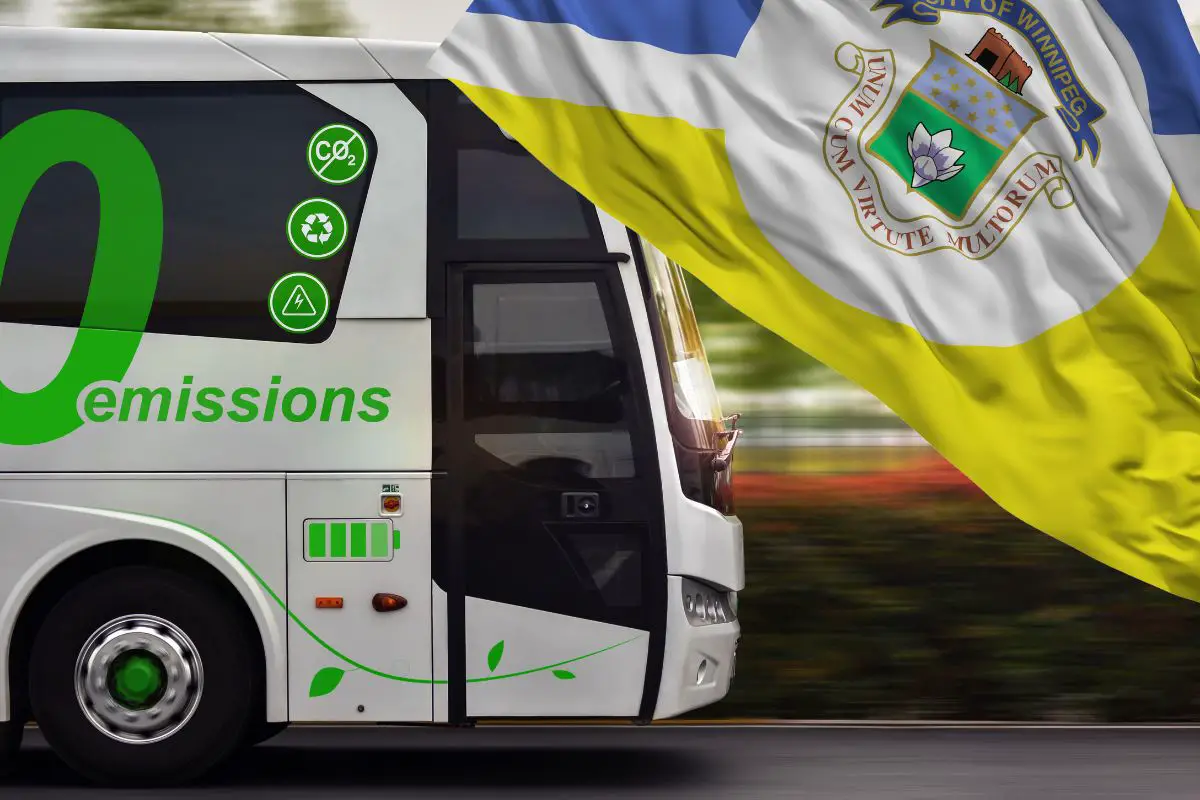
Winnipeg Transit will soon award its contract for H2 from methanol to a firm from Alberta
Winnipeg Transit is preparing to award a $9 million hydrogen production contract that is expected to go to a company from neighboring Canadian province, Alberta.The project will involve generating H2 using methanol
The contract requires hydrogen production using methanol so Winnipeg Transit’s new zero-emission buses will have the fuel they need to operate. According to a recent announcement from the transit official from the Canadian city of Winnipeg, Manitoba, the goal is to lay the foundation for even cleaner H2 production strategies in the province. It acknowledges that the method using methanol is not as clean as it would be if renewable energy were used to power electrolyzers (green hydrogen), but that the hope is a start toward cleaner H2 use.Awarding the hydrogen production contract
The city council’s public works committee recently met to consider Azolla Hydrogen as the contract recipient. Azolla Hydrogen is based in Red Deer, Alberta, an adjacent Canadian province. The contract would require them to design, build, and install Winnipeg Transit’s H2 generation equipment, which it must then operate for one year.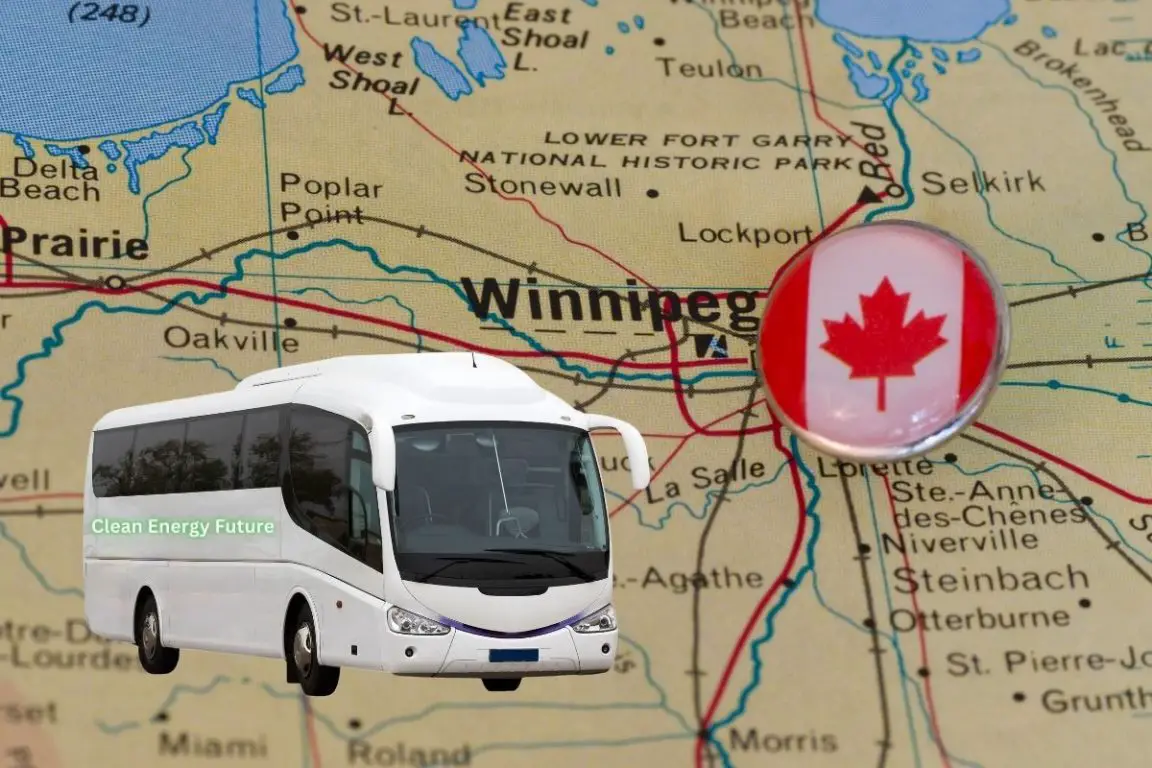 The reason that methanol was selected as the H2 source instead of renewable power and electrolysis is that the costs of the latter method were prohibitively high, according to Erin Cooke, who is leading the transit authority’s transition to zero-emission buses.
Choosing cost effectiveness with clean energy plans for the future
“This is a technology that was a little bit more cost-effective, proven for a cold climate and at a price point that was within our budget,” explained Cooke in a recent interview on the subject of the hydrogen production contract. Methanol was specifically selected because it is already being shipped to Winnipeg via tanker truck to be used in the city’s sewage treatment, added Cooke. Though using this method does result in some carbon emissions – as does the production of the methanol itself – the total emissions are still expected to be considerably lower than continuing to use fossil fuel (diesel) powered buses. Moreover, this is expected to be a step along the journey to the use of green H2.How was this article?
Thanks for the feedback!