Hydrogen news
Potato waste used in new hydrogen production research in P.E.I.
UPEI researchers are looking for new ways to produce hydrogen. University of Prince Edward Island (UPEI) researchers have cooked up new hydrogen production recipes that include waste products like potato peelings, sawdust and tunicate. Looking to potato waste as a way to replace fossil fuels. An assistant professor in the Faculty of Sustainable Design Engineering at UPEI, Yulin Hu is one of a group of researchers seeking novel ways to generate hydrogen to replace fossil fuels and combat the effects of climate change. One hydrogen production research project is focused on extracting H2 from p…
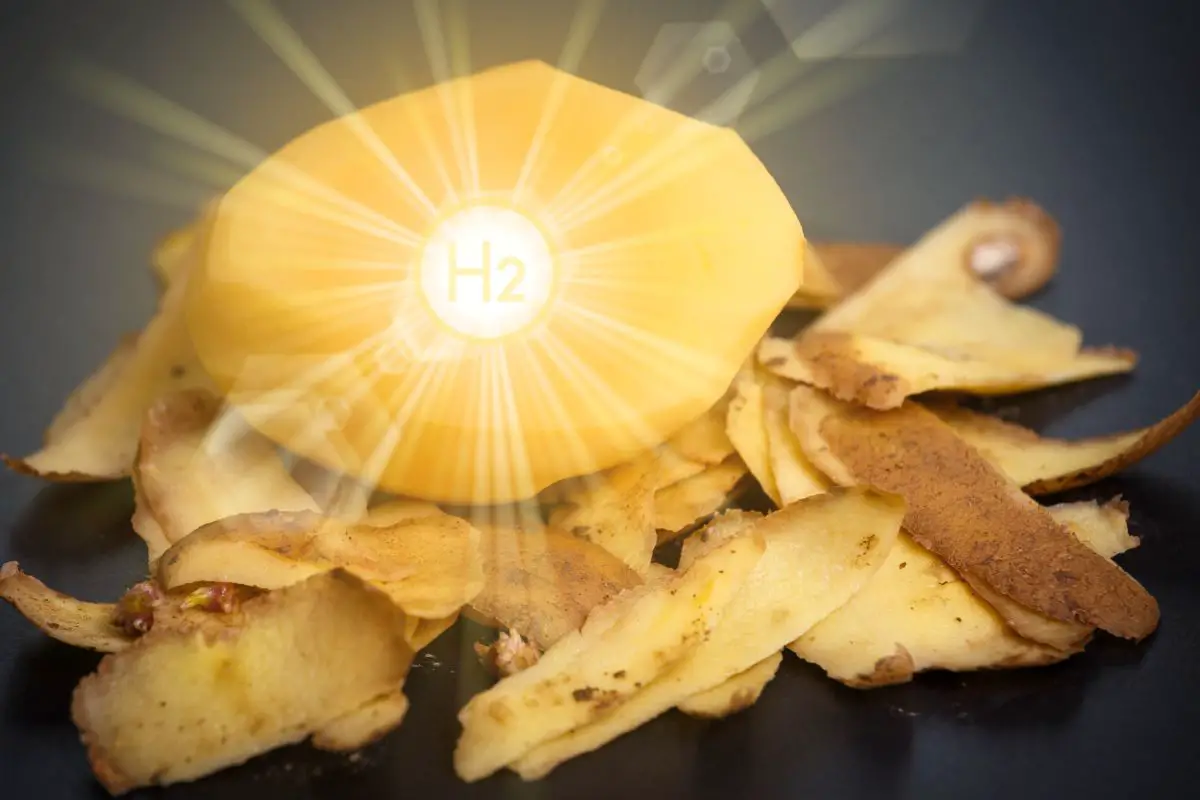
UPEI researchers are looking for new ways to produce hydrogen.
University of Prince Edward Island (UPEI) researchers have cooked up new hydrogen production recipes that include waste products like potato peelings, sawdust and tunicate.Looking to potato waste as a way to replace fossil fuels.
An assistant professor in the Faculty of Sustainable Design Engineering at UPEI, Yulin Hu is one of a group of researchers seeking novel ways to generate hydrogen to replace fossil fuels and combat the effects of climate change. One hydrogen production research project is focused on extracting H2 from potato peelings. The potato waste idea is especially notable due to Prince Edward Island (P.E.I.) being the Canadian province known for its potatoes. When Hu first moved to P.E.I., the assistant professor quickly realized that the potato industry is a huge part of the province and “when you are processing the potato you’re going to generate a lot of the waste,” Hu explained in a CBC News news report. “So we started doing the simulation of using the potato waste to produce the hydrogen. And the simulation results can tell us that actually the potato waste is really promising,” Hu said.Other hydrogen production projects are focusing on sawdust and tunicate.
Other local waste products that have been used in the UPEI hydrogen production research include sawdust and tunicate, an invasive aquatic species that plagues P.E.I.’s mussel industry.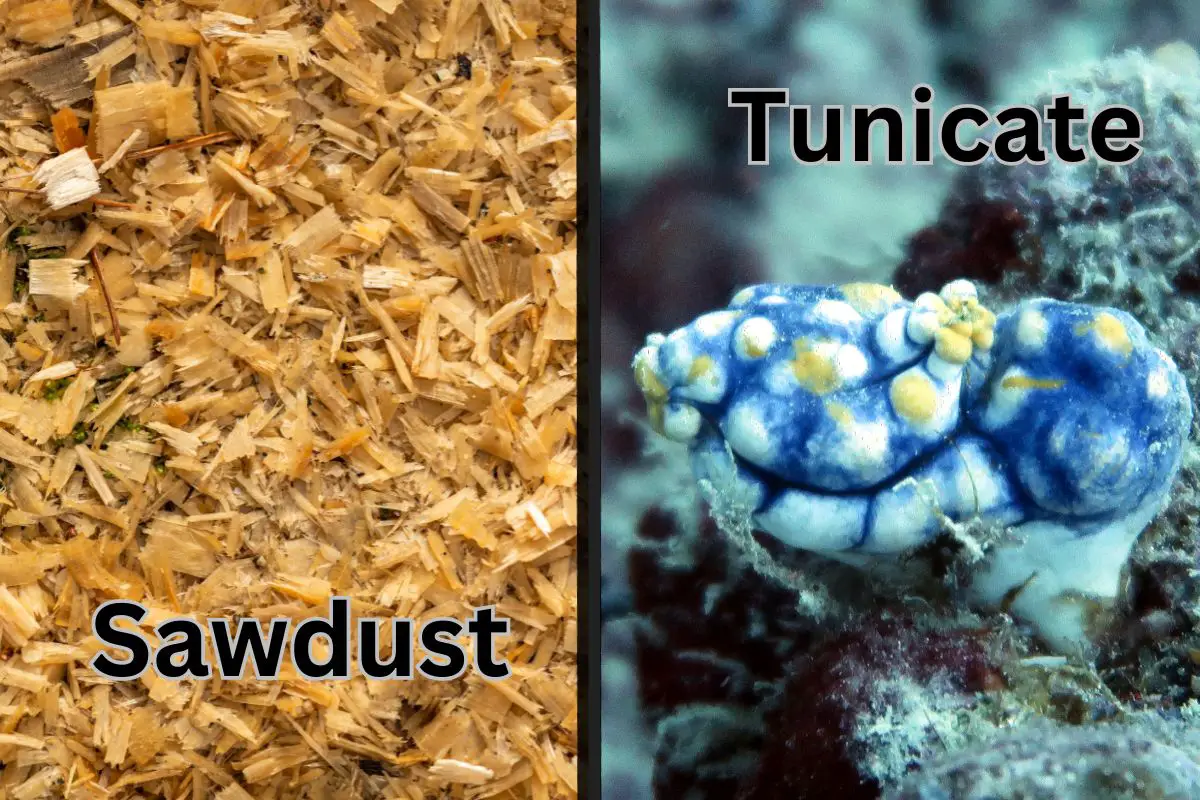 The project involving sawdust is looking at utilizing sawdust to capture carbon dioxide. As for the one focused on tunicate, the idea behind that project is to synthesize tunicate waste, taking the waste and converting it into bio fertilizer.
Research that benefits the climate and P.E.I.
According to Hu, the hydrogen production research project has received CA$142,500 ($107.16) in funding over five years in the form of a Natural Science and Engineering Council of Canada discovery grant. Hu said that these funds will allow for the research to move beyond simulation to build a machine that will actually test the potato waste as a fuel source. The hope is to start the first trial sometime this year. “…in general we are trying to convert all different kinds of the organic waste, especially with a focus on P.E.I., and then convert it into a product that could potentially benefit the province,” Hu said. Ready to test your knowledge on the most abundant element in the universe? Take our fun and engaging Hydrogen Quiz now! [forminator_quiz id="58712"]How was this article?
Thanks for the feedback!