Hydrogen Production Powers $4B US-China Clean Ammonia Race
CF Industries-led $4B ammonia plant in Louisiana and CEEC’s Songyuan park are scaling hydrogen production and clean ammonia to slash industrial CO₂.
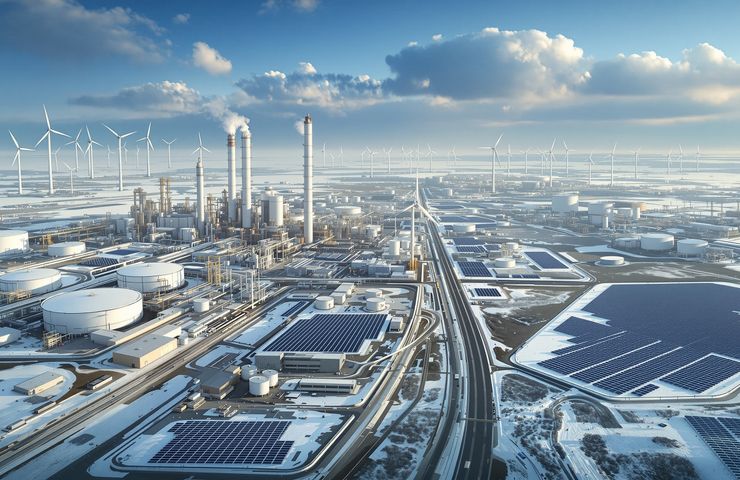
Let’s cut through the noise – when you’re serious about decarbonizing fertilizer and energy, you need megawatt-scale electrolyzers, robust carbon capture measures, and a rock-solid global JV. By 2025, hydrogen production has officially graduated from test rigs and pilot projects to full-on industrial scale.
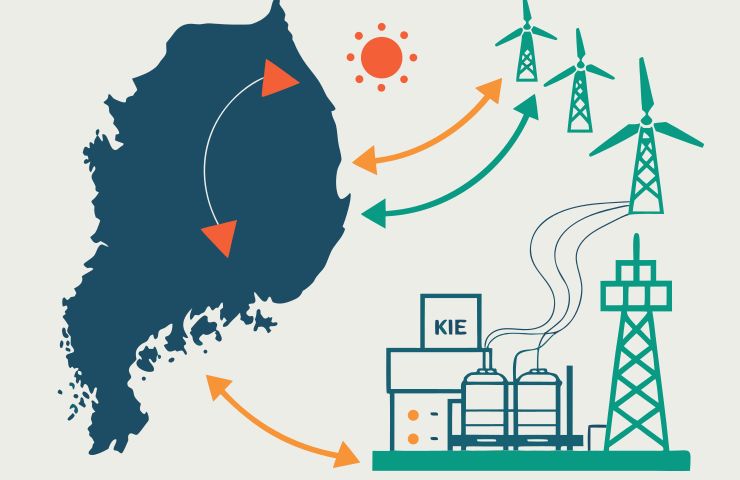
Take Louisiana for example: CF Industries, JERA and Mitsui are teaming up on what they’re billing as the world’s largest low-carbon ammonia facility, a $4 billion behemoth set to fire up in 2029. They’re marrying autothermal reforming of natural gas with cutting-edge carbon capture and storage, aiming to sequester over 95 percent of CO₂. Not far down the Gulf Coast, Plug Power and Olin are scaling up green hydrogen via water electrolysis at their St. Gabriel plant, while AES Corporation is pouring billions into a Texas green hydrogen hub. Across the Pacific, CEEC Hydrogen Energy is sprinting to get Phase I of its Songyuan Hydrogen Energy Industrial Park online by mid-2025, eyeing 35,000 tons of green hydrogen and 200,000 tons of green ammonia annually. These aren’t experimental setups – we’re talking gigawatts of electrolyzer capacity and a massive jump in ammonia production, backed by big industry players and state funding.
On paper, swapping out fossil-based hydrogen for clean, renewable green hydrogen slashes emissions per ton of ammonia by over 70 percent. That’s the heart of any serious industrial decarbonization strategy, especially in the chemical and fertilizer sectors where batteries simply won’t cut it. Of course, that 70 percent saving only holds if your electricity comes from wind, solar or other clean sources—feed it coal or gas, and you’re right back at square one.
Inside the Tech
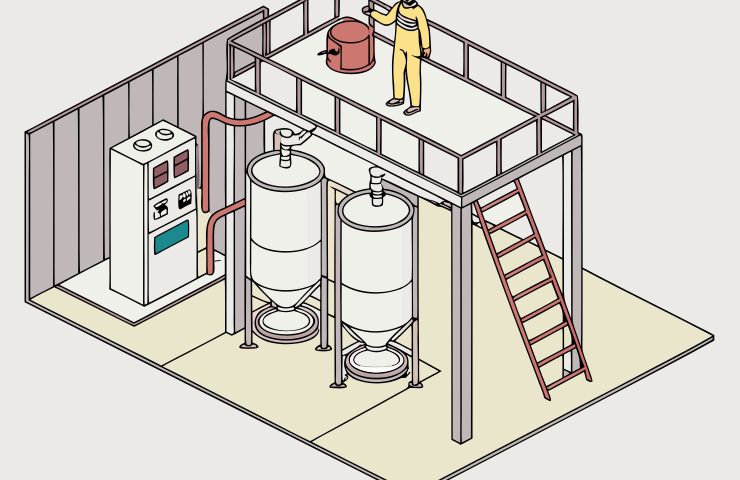
At the core of these megaprojects is water electrolysis, the process that uses electricity to split H₂O into hydrogen and oxygen. When your grid is powered by renewables, you get genuine zero-emission hydrogen. That H₂ then feeds into the time-tested Haber-Bosch ammonia synthesis loop for large-scale ammonia production. Meanwhile, autothermal reforming with carbon capture forms the blue-hydrogen bridge: crack methane, capture 95 percent of CO₂, and stash it underground. Electrolyzer manufacturers offer different designs—alkaline stacks versus proton exchange membranes—each with its own mix of efficiency, lifespan and cost. And to smooth out the peaks and troughs of solar and wind, developers are integrating battery storage, letting them dispatch hydrogen or grid services when power prices spike. Master that dynamic operation, and you not only optimize production but also can earn extra revenue even if ammonia margins get tight.
Strategic Bets
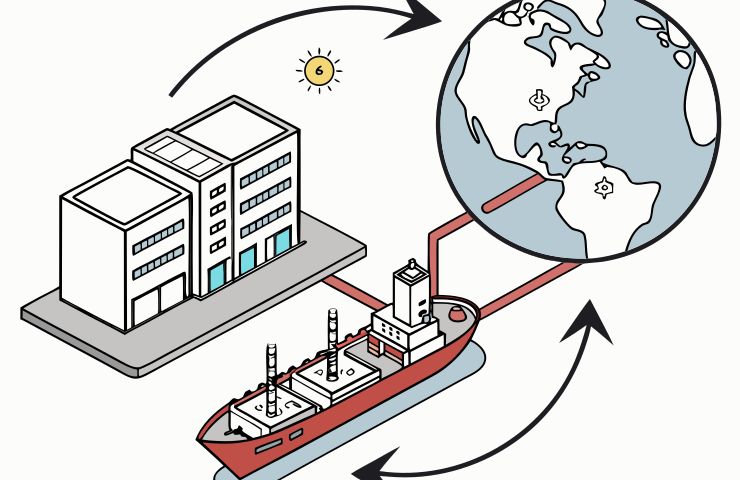
The joint venture between CF Industries, JERA and Mitsui is straightforward: secure offtake agreements with Asian buyers for marine shipping and power generation, then take full advantage of U.S. tax credits under the Inflation Reduction Act. Over at St. Gabriel, Plug Power and Olin are sharing infrastructure costs and tapping into Louisiana’s incentive programs. AES’s ambitious $4 billion green hydrogen facility in Texas banks on ERCOT’s renewables-heavy grid and lucrative corporate PPAs. Across Europe, utilities are negotiating multi-year contracts for clean ammonia bunkering and fertilizer imports, while Japanese clients of Mitsui and JERA look to Louisiana’s deepwater port as a reliable export hub. In China, CEEC’s Songyuan park sails on central-government bonds—no traditional bank underwriting drama—and locks in local fertilizer offtakes, insulating the project from volatile export markets.
Reality Check
Let’s get real: these splashy projects hinge on huge capital investments and intermittent renewable power. Claim: green hydrogen cuts lifecycle CO₂ emissions north of 70 percent—true, multiple independent studies back that up. Claim: CEEC’s Phase I will churn out 35,000 tons of H₂ and 200,000 tons of NH₃ by 2025—straight from company briefings. Claim: CF Industries, JERA and Mitsui are on track to commission the planet’s largest low-carbon ammonia plant in 2029—also on the record. And yes, swapping to hydrogen production is vital for sectors you can’t just electrify; everyone from the IEA to top academics agrees. But take a breath—electrolyzer lead times can stretch 18–24 months, and copper, nickel and platinum-group metals are fiercely contested. CCS isn’t plug-and-play: you need the right geology, permits and community support. Plus, green ammonia plants still cost two to three times more per ton than gray. If policy incentives shift or credits evaporate, those balance sheets can turn toxic practically overnight.
Region Spotlight
In the U.S., the Gulf Coast’s petrochemical backbone—pipelines, cheap gas and deepwater ports—gives it a major head start. Louisiana’s salt domes are tailor-made for CO₂ storage, and regulators have sped up pipeline permits and cavern leases. Workforce training programs are churning out welders, instrument techs and operations staff. Texas brings an overnight wind surplus and grid flexibility programs that reward dispatchable power. California and Illinois are eyeing electrolyzer zones too, although grid congestion can bite. In China’s Jilin Province, Songyuan leverages nearby wind farms, local tax breaks and a robust agricultural network. State mandates plus central treasury bond funding guarantee power and offtake commitments that most Western developers only dream about.
The Maverick Take
Look, I’m all for bold moves—but forgive me if I sound a bit cynical. Electrolyzers still roll in at $800–1,000 per kW and rely on scarce metals. CCS is an expensive, time-consuming add-on. We’re staring at years of construction, startups and regulatory hoops before these sites hit full stride. I’ll be watching which companies can drive down green hydrogen prices vs. natural gas, nail round-the-clock clean power integration, and iron out export logistics. My bet’s on whoever conquers stack costs, streamlines shipping lanes and weaves in policy safeguards. Until then, this feels like high-stakes R&D masquerading as heavy-duty infrastructure.
By 2030, whoever cracks the code on reliable, cost-effective hydrogen production and next-gen ammonia production will own a giant slice of tomorrow’s industrial market. Everyone else? They’ll be left cleaning up emissions they really should’ve tackled yesterday.