Hydrogen Production in Kazakhstan Gets a Boost with Air Liquide Investment in Pavlodar
Hydrogen production in Kazakhstan advances with a new Pavlodar plant backed by Air Liquide and tailored to local feedstocks. A milestone for the region’s refining modernization.
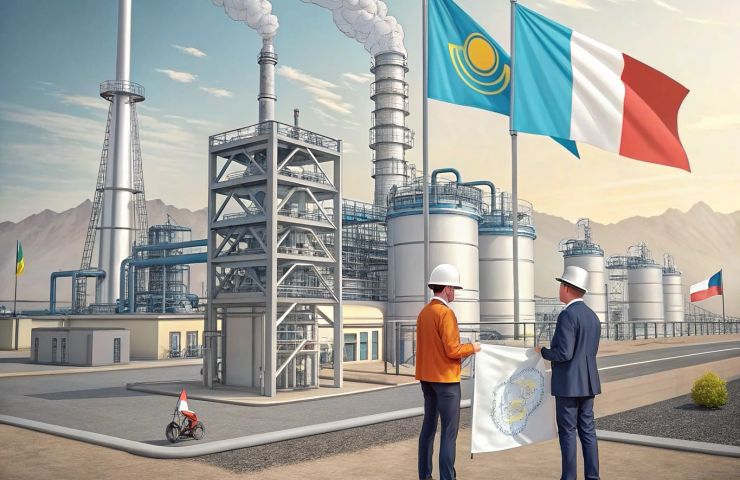
Pavlodar, Kazakhstan — On May 29, 2025, something big kicked off in Kazakhstan’s industrial journey. Air Liquide Munay Tech Gases LLP (ALMTG) — a joint venture between Air Liquide S.A. and NC KazMunayGas (KMG) — officially signed off on plans to build a next-generation hydrogen production plant in Pavlodar. But this isn’t just another industrial project — it’s a custom-built solution for a region with serious resource hurdles. And it’s aiming to shake up hydrogen infrastructure development across Central Asia.
What’s going on in Pavlodar?
The new plant will rise up right on site at the Pavlodar Oil Chemistry Refinery, one of the country’s most important refining hubs. Now here’s the twist: the area doesn’t have access to natural gas — usually the main ingredient for making hydrogen. You’d think that’d be a dealbreaker, right? Well, not for the folks at ALMTG. Instead, they flipped that challenge into a clever workaround.
Forget natural gas — this plant will use a smart, alternative feedstock: butane-butylene fractions. It’s a creative pivot that takes what’s available and turns it into value. And that’s made possible thanks to Air Liquide’s patented methane steam reforming technology, which has been retooled here to fit local realities. Bottom line? The plant is built to match its surroundings — not the other way around.
How much hydrogen are we talking?
We’re not talking about a test rig here. This setup will pump out up to 12,500 cubic meters of hydrogen per hour. That’s a serious volume, and it’s got a clear purpose: to help upgrade the refinery’s output. More hydrogen means more efficient hydrocracking, which translates into better light oil products and a more modern, high-yield refining process overall. It’s one of those win-win situations — innovation meets production boost.
The bigger picture: An ongoing partnership
This milestone didn’t come out of nowhere. ALMTG has been laying the foundation for years. The joint venture started back in 2018, supplying hydrogen to the Pavlodar refinery. By 2020, they added nitrogen. Then in March 2021, they expanded operations to include hydrogen and nitrogen supply for the country’s largest refinery in Atyrau. So yeah — these two companies have been blending industrial gases into Kazakhstan’s refining process for a while now.
The move toward the new hydrogen plant picked up pace in August 2024 when Askhat Khasenov, Chairman of KMG’s Management Board, sat down with Philippe Christodoul, Air Liquide’s VP for Business Development. From those talks came the roadmap that’s now turning into infrastructure on the ground.
Why this matters beyond Pavlodar
This isn’t just good news for Kazakhstan’s refining sector — though it definitely is that. It’s also a step forward for industrial decarbonization and broader sustainable energy goals in the region. Sure, it’s not full-on green hydrogen yet, but it’s a practical approach tailored to local realities. Think of it as a bridge — a way to advance refining modernization and hydrogen production even in places where resources are tight.
As for Air Liquide — this fits right into their global strategy. In Q1 2025, they reported €7.0 billion in sales, growing steadily despite a complex global market. Moves like this reflect a commitment to bold, on-the-ground action in places that might otherwise be overlooked in the hydrogen infrastructure push.
Is this a model for others to follow?
In a word? Maybe. The Pavlodar setup could easily become a blueprint for similar regions — places that don’t have access to methane but still need to get serious about hydrogen. The focus on butane-butylene feedstock offers a solid case study in how to adapt, not just adopt, policies for the hydrogen age.
This isn’t about waiting for perfect conditions. It’s about building what you can, with what’s available — and doing it in a way that delivers results. That kind of thinking could push the global transition forward one smartly placed project at a time.
What’s next?
We don’t have exact construction dates just yet, but one thing’s crystal clear: this signals a real shift from ideas to execution when it comes to hydrogen development in Central Asia. No more slide decks and promises — this is actual hardware being put in place.
Will this become the go-to model for hydrogen production in resource-constrained areas? Time will tell. But if this project proves successful, it could set off a ripple effect for smart, regional industrial decarbonization. Because when you match innovation with infrastructure in just the right way — even in tricky terrain like Pavlodar — things can take off faster than anyone expected.
Watch this space. Something big is brewing.