Hydrogen Production at California Dairy Nets Record Negative CI, Ignites Policy Debate
H2B2’s SoHyCal pathway at Bar 20 Dairy won provisional CARB approval with a -1,887.35 gCO2e/MJ rating under LCFS, blending manure biogas, power generation, and electrolysis to yield green hydrogen. The record-negative score fuels a debate over policy, credits, and dairy pollution.
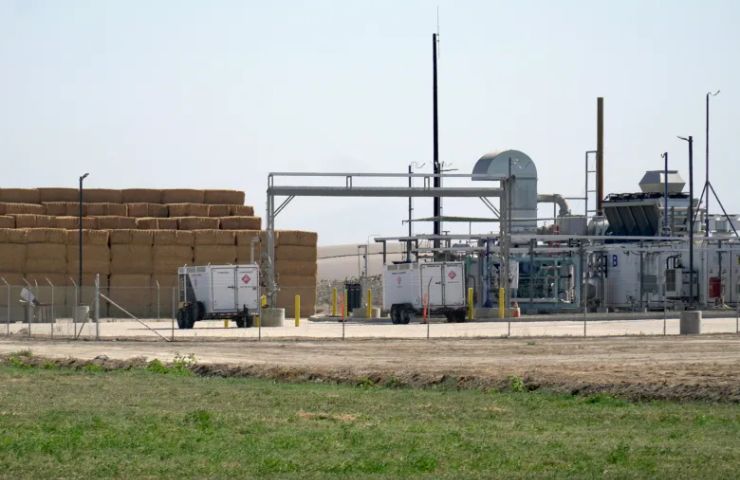
H2B2 Electrolysis Technologies just got the green light from the California Air Resources Board for its innovative SoHyCal pathway at Bar 20 Dairy in the San Joaquin Valley. With a remarkable carbon-intensity score of -1,887.35 gCO2e/MJ, it’s making waves under the state’s Low Carbon Fuel Standard. This facility is not just your average setup; it's utilizing biogas from one of Fresno County's largest dairies to create electricity and then using that electricity for electrolysis to produce green hydrogen for California’s refueling stations. It’s a unique hybrid system that integrates covered lagoon digestion, biogas-to-electricity conversion, and electrolysis, and it’s sparking some heated policy discussions.
The Hybrid Biogas-to-Hydrogen Chain
At the SoHyCal facility, the action starts with a covered lagoon anaerobic digester put in place by California Bioenergy LLC. This digester captures methane emissions from stored dairy manure, and then the cleaned biogas is sent to both a fuel cell and a reciprocating engine to generate electricity. This electricity powers an electrolyzer that can churn out up to 1,000 kg of hydrogen a day—around 180 tonnes annually! This electrolyzer splits water into hydrogen and oxygen with minimal emissions. The hydrogen is then compressed and transported in tube trailers to various hydrogen refueling stations across California. By combining these processes, SoHyCal is turning agricultural waste into a key player in hydrogen production, which is quite rare at this scale.
Why It Matters for Hydrogen Infrastructure
What really sets this project apart is its certified negative carbon-intensity score. Sitting at -1,887.35 gCO2e/MJ, it ranks among the top negative ratings under the LCFS—a big deal, considering the emphasis on reducing greenhouse gas emissions. Essentially, a negative carbon intensity score means this pathway gets credit not just for lower operations emissions but also for preventing methane from escaping the lagoon. These credits can be quite valuable in the low-carbon fuel market, often worth more than the hydrogen itself. For developers and investors, this revenue stream can make biogas-to-hydrogen projects much more appealing, potentially pushing forward the rollout of renewable hydrogen infrastructure in rural areas.
Strategic Stakes and Policy Headwinds
Financing these innovative hydrogen projects like SoHyCal depends heavily on LCFS credit revenues. The credit values are directly tied to the carbon intensity scores, which can make up a huge chunk of a project’s income, often overshadowing direct hydrogen sales. However, this reliance on credits raises some eyebrows among skeptics who believe the current lifecycle accounting might be overestimating the credits for avoided methane. The industry is divided: some see a fantastic opportunity to turn a persistent waste problem into clean hydrogen—crucial for decarbonizing heavy transport and industrial processes—while others worry that too many credits could perpetuate harmful practices like maintaining extensive flush-water lagoon systems instead of exploring better manure management solutions. This debate is a real litmus test for whether carbon accounting actually promotes holistic environmental benefits.
Company and Local Voices
H2B2 Electrolysis Technologies, a Spanish company specializing in electrolyzer systems, is leading the hydrogen efforts here. Bar 20 Dairy in Kerman supplies the manure feedstock under a lease and hosts the digester and electrolyzer. Manager Brian Visser shares that the project not only helps reduce methane emissions but also opens up a new revenue stream for the farm. Interestingly, local community groups in Kerman seem more curious than concerned, reflecting a complex relationship with big dairies and air quality regulations. Visser mentions that monitoring odor and emissions is part of their project permit, and Bar 20 is ready to share data with neighboring towns. Plus, California Bioenergy LLC remains a critical partner, ensuring the digester runs smoothly and biogas supply stays steady.
Historical Context and Policy Backdrop
California’s efforts to adopt dairy digester systems trace back to SB 1383, a law aimed at slashing methane emissions from organic waste, including manure. The LCFS, rolled out in 2011, has been a major driving force behind renewable gas and hydrogen projects. Historically, dairy biogas efforts focused on generating renewable natural gas for pipeline injection or generating electricity. SoHyCal, however, is taking a different angle by using biogas-derived electricity to create hydrogen for the fuel cell market. Policymakers have long aimed to curb methane—a greenhouse gas that’s about 25 times more potent than CO2—but dairy lagoons are controversial due to their local environmental impacts. This project cleverly bridges two areas of regulation: methane reduction mandates and low-carbon fuel incentives, revealing some weaknesses in California’s incentive structure.
Economic Implications
For investors, the economics of SoHyCal lean heavily on diversifying revenue sources. Hydrogen sales may start modestly, around 1 tonne daily, but they serve as proof of concept. The real treasure lies in the LCFS credits earned from that negative carbon intensity. These credits could be worth several dollars per kilogram of hydrogen, making this pathway very attractive. Developers looking to scale hydrogen production are banking on the idea that similar hybrid biogas-to-hydrogen models could flourish wherever there are large anaerobic digesters. But, any changes in CARB’s crediting approach could throw a wrench in those plans, highlighting just how critical policy stability is for green hydrogen initiatives.
Parallel Paths in Biogas Valorization
While SoHyCal cleverly combines biogas with electrolysis, most dairy digester projects usually focus on either renewable compressed natural gas or generating power directly. For example, pipeline injection setups like Calgren Dairy Fuels gather biogas from several dairies, upgrading it for pipeline-grade renewable natural gas. Others might use biogas to run onsite fuel cells to cut down utility costs. What H2B2’s model shows us is that hydrogen production can also leverage existing waste management systems. This could safely diversify investment portfolios for clean hydrogen producers, providing a buffer if the demand for hydrogen or refueling infrastructure lags behind that of renewable natural gas or electricity markets.
In the broader hydrogen energy news arena, hybrid biogas-to-electrolysis setups face competition from green hydrogen projects driven by solar and wind. These setups may have simpler supply chains but often rely heavily on grid upgrades. SoHyCal proves that alternative renewable pathways—especially those tied to agricultural practices—could carve out a niche in a multifaceted hydrogen economy.
Regulatory Flashpoint
Environmental advocates are raising questions about CARB’s assumption that captured methane would simply escape if not mitigated. They argue that with SB 1383 in play, flush-lagoon dairies are already under direct regulation, so any emissions avoided may not be genuinely additional. There’s a chance that legal battles could ensue if stakeholders push CARB to tighten the rules on negative carbon intensity credits. Such a shift in policy could retroactively impact the economics of SoHyCal and similar projects, underscoring how quickly regulatory risks can reshape hydrogen production endeavors.
Critical Perspective
It’s easy to portray this as a big win for climate efforts—until you pause to ask what’s actually being incentivized. The high-value LCFS credits depend on a metric that focuses on thermal avoidance of methane, rather than addressing the overall environmental impact of dairy operations. Issues like nutrient runoff, ammonia, odors, and groundwater contamination aren’t solved by just capturing methane. Critics argue that the existing credit scheme encourages dairy operators to keep or expand lagoons instead of exploring better manure management approaches. To sum it up, the policy might be monetizing the avoidance of pollution without guaranteeing a truly sustainable outcome.
Looking Ahead
CARB’s final decision on SoHyCal is likely to send ripples throughout the hydrogen fuel landscape. Should the negative carbon intensity score stay intact, we could see dairy-linked hydrogen pathways springing up, significantly influencing hydrogen infrastructure in agricultural zones. Companies will likely scramble to secure feedstock and financing, making agreements with refueling station operators essential. If regulators tighten up the credit formulas, developers may circle back to simpler renewable natural gas projects or invest in up-front manure treatment technologies. Regardless of the outcome, SoHyCal is positioned at the crucial junction of clean hydrogen production, agricultural policy, and carbon accounting. Its fate will undoubtedly affect where capital directs itself next.
This project raises a larger question: is our shift to clean energy rooted in real emission reductions, or is it driven by savvy accounting that merely shifts pollution off the books?