Hydrogen Infrastructure News: Saemangeum’s 37.2 km Pipeline to Boost Local Hydrogen Production
North Jeolla Province plans a 37.2 km hydrogen pipeline around Saemangeum to link local production with Gunsan-Gimje waterfront and the port, supporting Hyundai Motor Group’s local hydrogen economy model.
Imagine Hydrogen Flowing Like Water
Ever thought about how great it would be if hydrogen could flow just like water to power up factories, vehicles, and ports right at the source? Well, that's exactly what North Jeolla Special Self-Governing Province and its partners are aiming for with their plans for a 37.2-kilometer hydrogen pipeline network around Saemangeum. This ambitious project is all about connecting a new local production hub with nearby industrial and port facilities, making delivery quicker and cheaper for everyone involved. It's the kind of clean hydrogen news that's got the market buzzing.
Solving the Supply Chain Puzzle
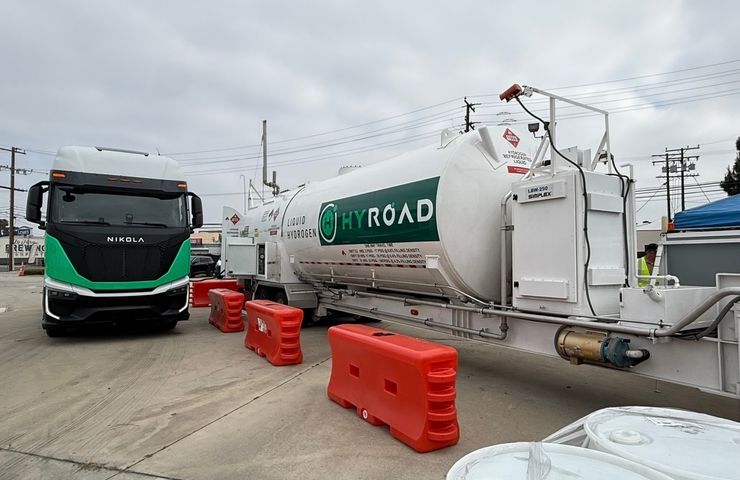
Producing hydrogen often hits a wall when it comes to transport. Depending on trucks and trailers inflates costs and brings up safety concerns. In contrast, pipelines can offer a steady, high-volume flow exactly where it’s needed. Without a pipeline, each delivery can take hours to arrange, and weather or traffic can throw a wrench in the works. That kind of unpredictability can scare off potential users and stretch the budgets of factories and refueling stations. By shifting from road distribution to dedicated hydrogen infrastructure, this region could finally break free from the logistics bottlenecks that have held back hydrogen's rise and pave the way for a smoother, on-demand supply.
The Pipeline Blueprint
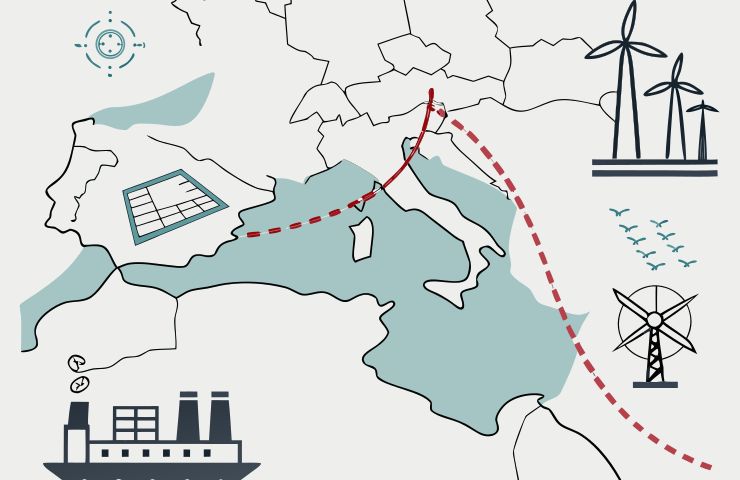
This exciting pipeline project breaks down into two main legs. One stretches from the Saemangeum industrial complex toward the brand-new Gunsan-Gimje waterfront city—opening doors for all those manufacturers eager for clean energy. The other leg goes straight to Gunsan Port, positioning hydrogen right in the mix with traditional cargo flows. Technical studies led by Korea Gas Technology Corporation are diving into pipe materials, pressure requirements, and compression stations to ensure everything meets safety and purity standards. Route planning meetings have included Gunsan City and Gimje City, focusing on land use and keeping community safety in check. This kind of teamwork is setting a new standard for hydrogen project development in the area.
Local Production, Local Consumption
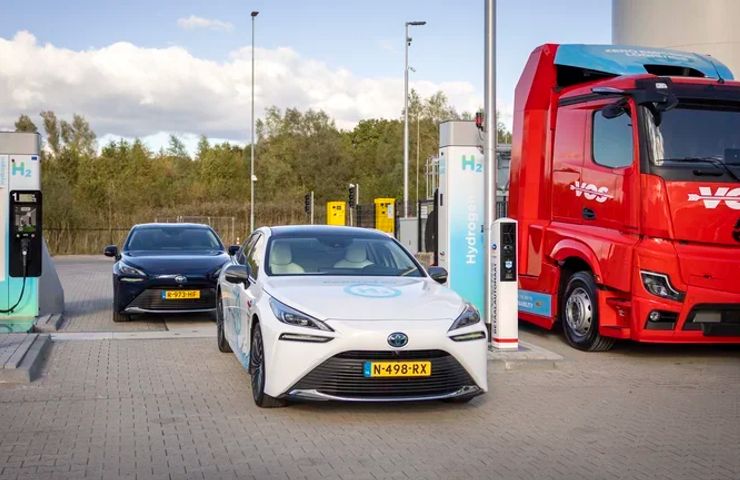
At the heart of this whole plan is a “local production for local consumption” model pushed forward by Hyundai Motor Group. Instead of shipping hydrogen across the country, production facilities at Saemangeum would supply nearby refineries, manufacturers, and fuel-cell vehicles. The pipeline is designed to ensure on-site compression before distribution, so there’s a steady flow of fuel ready for industrial furnaces, power units, and hydrogen-powered vehicles in neighboring cities. This setup keeps transport costs low, cuts carbon footprints, and boosts energy self-reliance in the region.
On-the-Ground Partnerships
Creating energy infrastructure on this scale isn’t something that happens on its own. The province is teaming up with local governments to coordinate land use and permitting while also accessing central government grants alongside regional budgets. North Jeolla Province is taking charge of public-sector planning, environmental reviews, and infrastructure design, while Gunsan City and Gimje City are focused on zoning and community outreach. This collaborative approach to hydrogen project financing isn’t just about laying pipes—it’s poised to ignite broader economic growth for a region eager to welcome new investments.
The Numbers in Play
Talk is that the cost for this pipeline could top 160 billion won, according to project discussions. They’re aiming for a full build-out by around 2029 if all the approvals and funding fall into place. To manage costs better and match uptake, planners are looking at a phased rollout: starting with the waterfront leg, followed by the extension to the port. This strategy means spending aligns with actual hydrogen use, which lowers financial risk and makes it easier to secure funding in stages.
Why This Matters
Shifting to a clean hydrogen energy supply depends on dependable delivery. This pipeline initiative could:
Engineering the Future
Building a hydrogen pipeline is about more than just laying down some steel. Engineers are tackling hydrogen’s tiny molecule size, which can lead to microleaks, and its tendency to cause certain alloys to become brittle. To tackle these challenges, plans are in place for specialized compression stations to maintain steady pressure, advanced coatings to prevent corrosion, and real-time sensor networks for keeping tabs on integrity continuously. Together, these measures are set to ensure safe, reliable operations from start to finish.
Looking Beyond the Horizon
This isn't merely a regional pilot project. If everything goes according to plan, Saemangeum's pipeline could become a blueprint for other industrial clusters in not just South Korea, but beyond. By showcasing that public-private partnerships can build and manage hydrogen infrastructure at scale, this project could accelerate decarbonization across manufacturing, shipping, and mobility sectors throughout the country.
Buckle Up for the Hydrogen Highway
Say goodbye to the days when hydrogen projects got stuck at the last mile. With a dedicated pipeline cutting through reclaimed coastal land, North Jeolla Province is throwing open the doors to a true hydrogen city—one where production, distribution, and use all fall into place seamlessly. As the blueprint evolves into actual pipe and pump stations, keep your eye on Saemangeum. This is where South Korea could truly redefine what it takes to build a thriving hydrogen economy, right where it's needed most.