HRS and Baker Hughes Collaborate on High-Capacity Hydrogen Refueling Infrastructure
HRS and Baker Hughes have launched a three-year cooperation to develop integrated high-capacity hydrogen refueling infrastructure in France and Europe, combining HRS’s turnkey station expertise with Baker Hughes’s VerHy550 compression technology to support industrial decarbonization and hydrogen mobility.
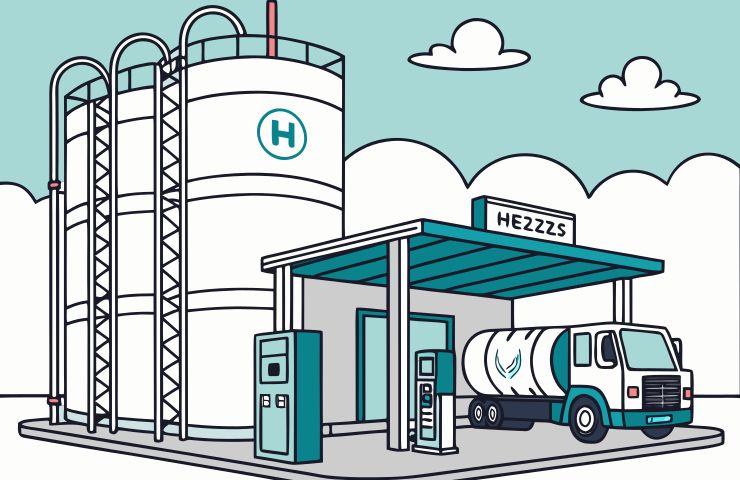
France-based Hydrogen Refueling Solutions (HRS) has teamed up with US energy tech giant Baker Hughes to kick off a three-year cooperation aimed at developing top-notch hydrogen compression and distribution solutions. They're focusing on building high-capacity hydrogen refueling stations and centralized Hydrogen Filling Centers. These innovations are designed to support everything from mobility fleets to regional logistics hubs and industrial users throughout France, and maybe even broader Europe. By blending HRS's skills in station integration and Baker Hughes's cutting-edge VerHy550 vertical hydrogen compressor technology, this partnership aims to tackle key challenges in the large-scale deployment of hydrogen.
Station Architecture and Process
So, what exactly does a high-capacity hydrogen refueling station look like? These stations are vital for fueling everything from light vehicles to heavy-duty trucks and can handle daily throughputs from a few hundred kilograms up to over a tonne! Here's a peek at the essential subsystems:
And with integrated control software keeping track of flows, pressures, and maintenance schedules, operators can balance utilization and reliability like pros.
VerHy550: Core Compression Technology
The heartbeat of this operation? It’s definitely the VerHy550 vertical hydrogen compressor from Baker Hughes. Built for high daily throughput, this compressor features:
When paired with HRS's storage and dispensing modules, the VerHy550 becomes a key player in the next generation of Hydrogen Filling Centers designed for fleet and industrial applications.
Hydrogen Filling Centers
The Hydrogen Filling Center model takes things a step further than the average refueling station. It's all about aggregating demand and optimizing asset use. Here’s the scoop on what a typical center does:
By bringing heavy-demand users together in one hub, these Hydrogen Filling Centers aim for higher utilization and lower costs compared to stand-alone stations. This approach is crucial to bridging the gaps in the hydrogen production to end-use supply chain.
Strategic and Market Context
This collaboration is taking root just as France ramps up its national hydrogen strategy, with plans to back electrolysis targets and heavy-mobility pilots with nearly €9 billion in public funding by 2030. HRS has about 25 stations already delivering over five tonnes per day, marking a strong presence in key mobility corridors and industrial hubs. Meanwhile, Baker Hughes has set up more than 2,000 hydrogen compressors around the globe, alongside a full range of hydrogen-ready turbines and other equipment.
Regulatory Alignment and Funding
Being aligned with the EU’s Alternative Fuels Infrastructure Regulation is a major push for this initiative. The AFIR mandates hydrogen stations every 200 km on key transport routes and sets minimum daily capacity requirements in urban areas. These rules are paving the way for standardized, modular station designs. Plus, regional projects like France’s Zero Emission Valley initiative are set to utilize large-scale refueling and compression hubs effectively. Leveraging European innovation grants will help speed up research and development, defining essential standards for the wider hydrogen ecosystem.
Implications and Outlook
Cost remains the biggest roadblock for hydrogen mobility at this point. The high capital investment in refueling assets and uncertain initial usage can make investors wary. But by offering integrated station modules and centralized filling centers, HRS and Baker Hughes are working to mitigate risks through:
This venture could set new technical benchmarks for the next generation of hydrogen refueling stations and shape safety protocols and performance standards across Europe. For key players like fleet operators, logistics companies, and heavy industry, the streamlined model brought forward by HRS and Baker Hughes may be crucial for scaling the infrastructure backbone. As these two companies transition from pilot projects to full commercial rollout, their partnership will be an essential test of whether integrated, high-capacity solutions can bridge the gap between hydrogen production and actual demand in a cost-effective, safe, and reliable way.