OEMs and Energy Majors Unite on European Truck Refueling Network
Major OEMs and energy firms, including Daimler Truck, Volvo, Toyota, Bosch, Air Liquide, TotalEnergies, TEAL Mobility and MB Energy, announced a collaboration in Germany to develop a strategic hydrogen refueling network along key European freight corridors.
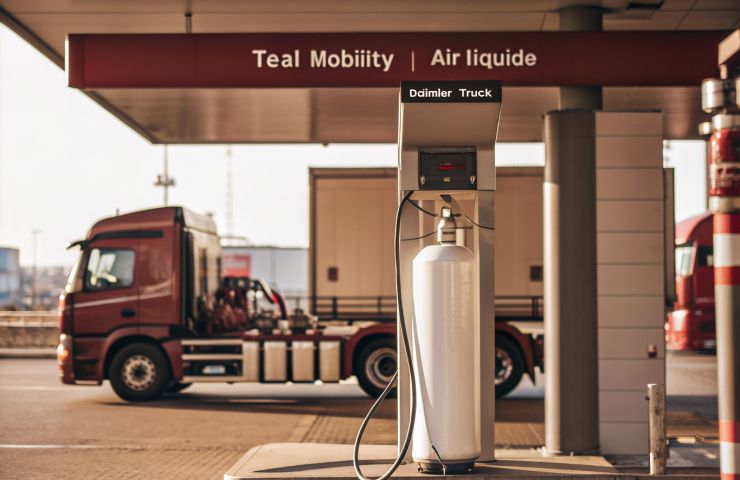
This week, the hydrogen news landscape got a big shakeup as some of the top automakers and energy companies came together with a solid plan to tackle one of the biggest roadblocks for zero-emission trucking: building a dependable hydrogen infrastructure across Europe. Eight key players announced their intention in Germany to create a comprehensive network of hydrogen refueling stations specifically for heavy-duty vehicles.
The coalition features heavyweights like Daimler Truck AG, Volvo Group, Toyota Motor Corporation, Bosch, Air Liquide, TotalEnergies, TEAL Mobility, and MB Energy. By pooling their resources, they hope to meet the speed and range needs of long-haul hydrogen vehicles and address the infrastructure bottleneck that's been holding back the rollout of commercial fuel cell trucks.
Strategic Corridor Focus
Instead of randomly placing refueling stations, this group is zeroing in on high-traffic freight routes across Germany and its neighbors. They’ve got their sights set on key autobahn corridors so they can:
Solving the Chicken-and-Egg Dilemma
The deployment of fuel cell trucks has been stifled for too long due to a lack of refueling stations. Fleets are reluctant to invest when there aren’t enough options to fill up, and station operators need guaranteed demand to justify their hefty investments. This collaboration aims to synchronize truck rollouts, station installations, and hydrogen production methods, ensuring that supply and demand rise together.
TEAL Mobility: Infrastructure Operator
A key player in this initiative is TEAL Mobility, a joint venture launched by Air Liquide and TotalEnergies in 2024. TEAL Mobility is already running stations in France, the Netherlands, Belgium, Luxembourg, and Germany. They're in charge of building, operating, and marketing the fuel stations under the TotalEnergies brand. By providing a single access layer, they’re making contracting and billing a breeze for heavy-duty fleets.
Station Technology and Supply Chain
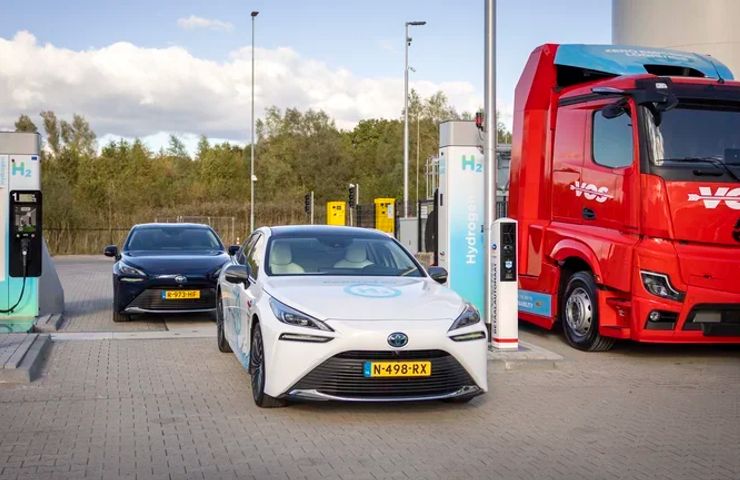
These heavy-duty hydrogen refueling stations will feature:
To hit their throughput targets, operators will need to nail down precise logistics. These stations will have to handle large volumes and serve multiple trucks daily without any hiccups. They’ll continuously refine their designs to balance capital costs, efficiency, and competitive hydrogen pricing.
OEM Commitments
For manufacturers, having a reliable network is crucial for commercializing fuel cell trucks. Daimler Truck AG has been testing its Mercedes-Benz GenH2 platform in various customer trials, while Volvo Group and Toyota Motor Corporation can lean on years of research in fuel cells. Bosch brings its expertise in powertrain components and integration to the table. With coordinated station availability and vehicle rollout, they’re aiming to minimize risks on the route and encourage fleets to make the switch.
Regulatory and Policy Alignment
This initiative fits neatly with the EU’s Alternative Fuels Infrastructure Regulation, which calls for hydrogen refueling points along major transport networks. Support from regulatory bodies could smooth the permitting process and unlock funding opportunities, but challenges like uneven station distribution and slow approvals still loom. A united front from the industry could streamline technical standards and foster better dialogue with authorities.
Early Partnerships Pave the Way
What’s intriguing about this cross-industry effort is that it builds on earlier partnerships. Back in 2021, Daimler Truck AG and TotalEnergies joined forces on a hydrogen ecosystem initiative, and in 2024, Air Liquide and TotalEnergies got TEAL Mobility up and running. By broadening these alliances into a larger coalition, they’re aiming to transform pilots into a truly connected network.
Fuel Cell Technology in Trucks
Fuel cell electric trucks generate power on the go using a membrane electrode assembly. Hydrogen stored under high pressure reacts with oxygen to create electricity, water, and heat. This electricity drives electric motors and even charges a buffer battery for when more power is needed during acceleration or regenerative braking. This setup allows for ranges over 500 km and a refueling time of under 20 minutes. The biggest hurdle? Ensuring stack durability over hundreds of thousands of kilometers while scaling production of those high-value components.
Financing and Market Dynamics
Getting funding for hydrogen infrastructure is no walk in the park. These multimillion-euro stations often rely on a mix of equity from energy companies and grants from EU and national zero-emission programs. Offtake agreements with fleets provide a predictable revenue stream, but pricing must strike a balance between covering costs and staying competitive against diesel and battery electric solutions. A coordinated network lowers execution risks and boosts usage—two critical factors for attracting private capital.
OEM Track Records
Daimler Truck AG kicked off fuel cell truck testing in 2021 and has teamed up with Shell and TotalEnergies, while Volvo Group launched customer pilots in 2022. Toyota Motor Corporation continues to push forward with its fuel cell sedan program in Europe and supports truck applications via component development. Bosch supplies stacks and high-pressure components. This new coalition pulls all these efforts under one infrastructure umbrella.
Policy and Global Context
Similar corridor-based approaches are sprouting up in places like Japan’s hydrogen highways and the U.S. Department of Energy’s Hydrogen Hub initiative. Europe’s strong industrial gas sector and robust cross-border trade provide significant advantages, though varied permitting processes and national priorities present their own set of challenges. A seamless network here could serve as a model for other regions eyeing hydrogen mobility.
Environmental Considerations
The climate benefits hinge on how hydrogen’s produced. Green hydrogen production, made possible through renewable-powered electrolysis, can lead to serious reductions in emissions, while blue hydrogen from natural gas with carbon capture offers a transitional solution. Keeping in mind station efficiency and upstream emissions will be key to delivering genuine decarbonization. This coalition seems aware of the need for supply-chain integrity, but long-term sustainability will rely on scaling clean hydrogen production alongside refueling capacity.
Potential Impact and Risks
If the rollout of stations syncs up with fuel cell truck deliveries, fleets could enjoy lower route risks and a reduced total cost of ownership for hydrogen vehicles. Energy suppliers and station operators might also increase asset utilization and secure long-term offtake agreements. But there are some risks on the horizon:
What to Watch Next
Keep an eye out for announcements regarding the number of stations, investment volumes, and rollout timelines, expected later this year at IAA Transportation in Hanover. Fleets, investors, and policymakers will be watching closely to see if this cross-industry partnership can turn hydrogen refueling stations into a strong backbone for Europe’s zero-emission trucking goals.