Hydrogen Infrastructure Boost: ETW Energietechnik and Stadtwerke Duisburg Advance Clean Hydrogen-Ready CHP Project
ETW Energietechnik and Stadtwerke Duisburg are building a modular hydrogen-ready CHP plant at Wanheim Energy Park to replace aging equipment, boost efficiency and prepare for future hydrogen fuel use.
The partnership between ETW Energietechnik GmbH and Stadtwerke Duisburg AG is gaining traction at the Wanheim Energy Park in Duisburg, with the goal of replacing old equipment with a smart, modular hydrogen-ready combined heat-and-power (CHP) plant. This initiative aligns perfectly with Germany’s push to modernize its district heating and power generation capabilities while preparing for future use of hydrogen fuel.
Modular CHP for Flexible Energy Supply
At the core of this project are 15 nifty compact gas engines. These engines are no small potatoes; they're rated for a combined electrical output of 67.5 megawatts and a thermal output of 74 megawatts. Stadtwerke Duisburg points out that once they’re all up and running, they could hit about 67 megawatts of electrical capacity, plus thermal capacity going up to 80 megawatts. The beauty of the setup? Each engine works by burning gas to generate electricity, and the heat generated isn't wasted—it gets channeled right into the district heating network.
The modular design of these engines gives operators the flexibility to start or stop any unit as needed, based on electricity demand or heating requirements. This is a game changer for dealing with supply fluctuations. These engines can quickly ramp up when there's a dip in renewable energy production or when demand peaks, especially on those frigid winter days. CHP systems often boast higher fuel efficiency than traditional setups that rely on separate generation and heating, making them a smart choice when both power and heat are in demand.
Planning for a Hydrogen-Compatible Future
What’s really exciting is that the engines and their supporting systems are designed to be ready for hydrogen. That means when hydrogen—or hydrogen blends—become practical and cost-effective, these engines can easily transition to use them. This forward-thinking move is in line with Germany’s national hydrogen strategy, which calls for new CHP plants of at least 10 megawatts to have a clear, cost-effective pathway to hydrogen conversion. By laying this groundwork now, the project is paving the way for low-carbon fuel options while maintaining the reliability that’s crucial today.
Hydrogen has some unique properties compared to natural gas—it’s got a wider flammability range and burns cleanly with no direct CO₂ emissions. That said, it can produce nitrogen oxides when combusted at high temperatures, which means that a few upgrades will be necessary for injectors and emissions controls. Marco Weiss, the managing director of ETW Energietechnik, says his team is managing the planning, execution, and delivery to design the infrastructure with an eye toward easily facilitating that future switch to hydrogen.
Made in Germany, Made for Germany’s Future
ETW Energietechnik GmbH is a family-owned business in Moers that’s been manufacturing energy systems since 1997. They’re a local powerhouse with around 150 employees. By sourcing equipment and services within the region, this project will harness the engineering expertise right here in North Rhine-Westphalia, generating jobs not only for those in Duisburg but also for the wider Ruhr area. The construction and maintenance contracts are set to create a ripple effect of work for local suppliers and installers, boosting the entire industrial ecosystem.
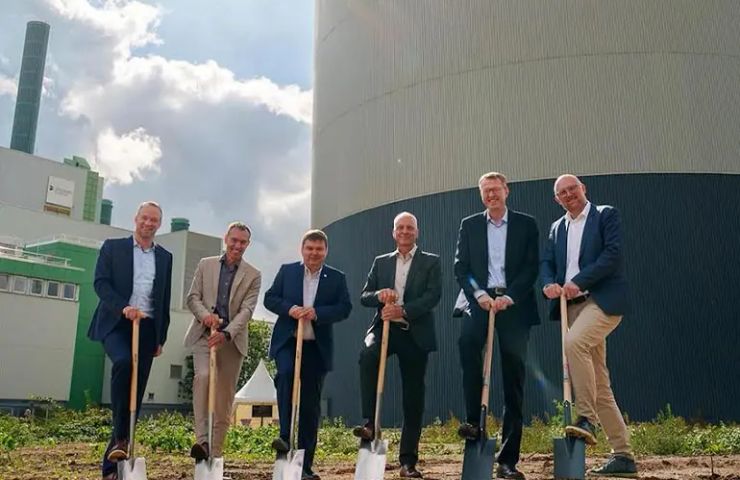
This month, the two partners celebrated a significant milestone with a groundbreaking ceremony at Wanheim Energy Park. Stadtwerke Duisburg has allocated around €200 million for a phased modernization program that includes this CHP installation, complemented by Rhine-water heat pumps, electric boilers, and thermal storage units. Investing locally means that contractors and technicians from Duisburg to Moers can keep sharpening their skills in advanced energy systems.
Integrating Technologies for a Balanced Energy Mix
The broader Wanheim modernization is stitching together both combustion and non-combustion technologies. For instance, large heat pumps will draw low-temperature heat from the Rhine to feed into the district heating network, while electric boilers will turn surplus electricity into hot water. Thermal storage units will help to hold and dispatch heat as needed, smoothing out demand spikes and maximizing the value of renewable energy.
This harmonious blend of dispatchable CHP engines, heat pumps, and electric boilers enables Stadtwerke Duisburg to optimize the energy supply, cut down on fuel usage, and better integrate wind and solar energy into their system. This project truly embodies the energy transition's focus on system flexibility and highlights how various technologies can collaborate to maintain reliability while minimizing carbon emissions. Plus, the modular engine design allows for maintenance to be carried out on individual units, avoiding the need to shut down the entire plant for repairs.
How the Technology Works
The mechanics behind it are beautifully straightforward: each gas engine mixes air and fuel within a combustion chamber. This clever setup drives pistons that spin a generator to produce electricity. The heat that typically goes to waste through the engine’s cooling system and exhaust is cleverly reclaimed by heat exchangers, which then turn it into hot water for the district heating network. Operators can fine-tune the number of engines in operation at any given moment, ensuring that energy output matches current demand without wasting a drop of fuel.
Hot water travels through insulated pipes all the way to homes, businesses, and public buildings throughout the Wanheim-Angerhausen area. This means users enjoy reliable warmth and hot water without needing individual boilers, and any cooler water that returns gets sent back to the plant to be reheated. This closed-loop system greatly boosts efficiency and cuts emissions by centralizing heat production.
Building on Proven Infrastructure
The existing Wanheim Block A gas turbine has been serving the community since 1975, providing around 40 MW of electricity and about 80 MW of hot water to the district network. Swapping out this aging unit for the new modular engines, which are rated at about 67 MW electrical and 80 MW thermal, is set to significantly enhance operational flexibility and resilience in Duisburg, which is Germany’s industrial heartland with a bustling population of over half a million.
Aligning with National Hydrogen Strategy
This project also tackles real-world issues flagged in Germany’s 2023 National Hydrogen Strategy. The plan emphasizes that new gas-fired plants need to support renewable variability and keep options open for hydrogen use. By developing hydrogen-ready assets today, communities will have the chance to use low-carbon fuels for balancing power and heating needs when solar and wind output drop.
Positive Environmental and Economic Impact
Initially, the plant will use natural gas, but there’s already potential for incorporating biomethane or hydrogen blends down the line. By employing CHP for district heating, the system can push fuel efficiency above 80% on days when both power and heat are needed, compared to traditional generation plus boiler heating. Once hydrogen options become available, the carbon footprint of fuel combustion could be dramatically reduced, though controlling nitrogen oxides will still be crucial.
Stadtwerke Duisburg anticipates that this new crop of generation assets will be operational by late 2028 or early 2029, replacing the long-serving Wanheim Block A gas turbine. The newer engines are designed to be quieter, cleaner, and more adaptable than their predecessor. Locals can look forward to a more reliable energy supply with a smaller environmental footprint, and the influx of job opportunities and supply contracts will strengthen the region’s economic health.
By investing in capacity now and leaving a clear pathway to hydrogen operation, this project addresses immediate needs while keeping long-term climate goals in focus. It’s a fantastic example of how communities can rejuvenate outdated infrastructure while embracing cutting-edge technologies in a practical and cost-effective manner. The collaboration between ETW Energietechnik and Stadtwerke Duisburg is about more than just solving present issues—it’s also about paving the way for a cleaner, greener future.