Hydrogen news
Hyundai calls hydrogen fuel a key factor in decarbonization by 2050
The automaker recently announced that H2 will “play a prominent role” in its achievement of carbon neutrality. Hyundai has announced that hydrogen fuel will “play a prominent role” in its strategy for becoming carbon neutral by 2050. The company pointed to H2 as a fuel that should be readily available for everyone to cleanly use. “Clean hydrogen should be for everyone, powering everything, and available everywhere,” said Hyundai Motor Company CEO and president Jay Chang in a recent news release. As zero-emission vehicles become more important to the auto industry, the primary focus for passe…

The automaker recently announced that H2 will “play a prominent role” in its achievement of carbon neutrality.
Hyundai has announced that hydrogen fuel will “play a prominent role” in its strategy for becoming carbon neutral by 2050.The company pointed to H2 as a fuel that should be readily available for everyone to cleanly use.
“Clean hydrogen should be for everyone, powering everything, and available everywhere,” said Hyundai Motor Company CEO and president Jay Chang in a recent news release. As zero-emission vehicles become more important to the auto industry, the primary focus for passenger cars has been on battery electric vehicles. However, there is a limited but growing number of automakers that have been turning their attention and resources to hydrogen fuel cell tech as a component of their overall decarbonization strategies. Toyota, Honda, General Motors and Hyundai have all announced their intentions to produce fuel cell vehicles as passenger vehicles and/or for commercial applications.Hyundai has been one of the strongest ongoing proponents for hydrogen fuel powered cars.
According to the automaker, it is “at the forefront of the hydrogen momentum,” as it has already been mass producing fuel cell cars for several years. It now says that it holds “the world’s highest market share in hydrogen-powered vehicle sales.”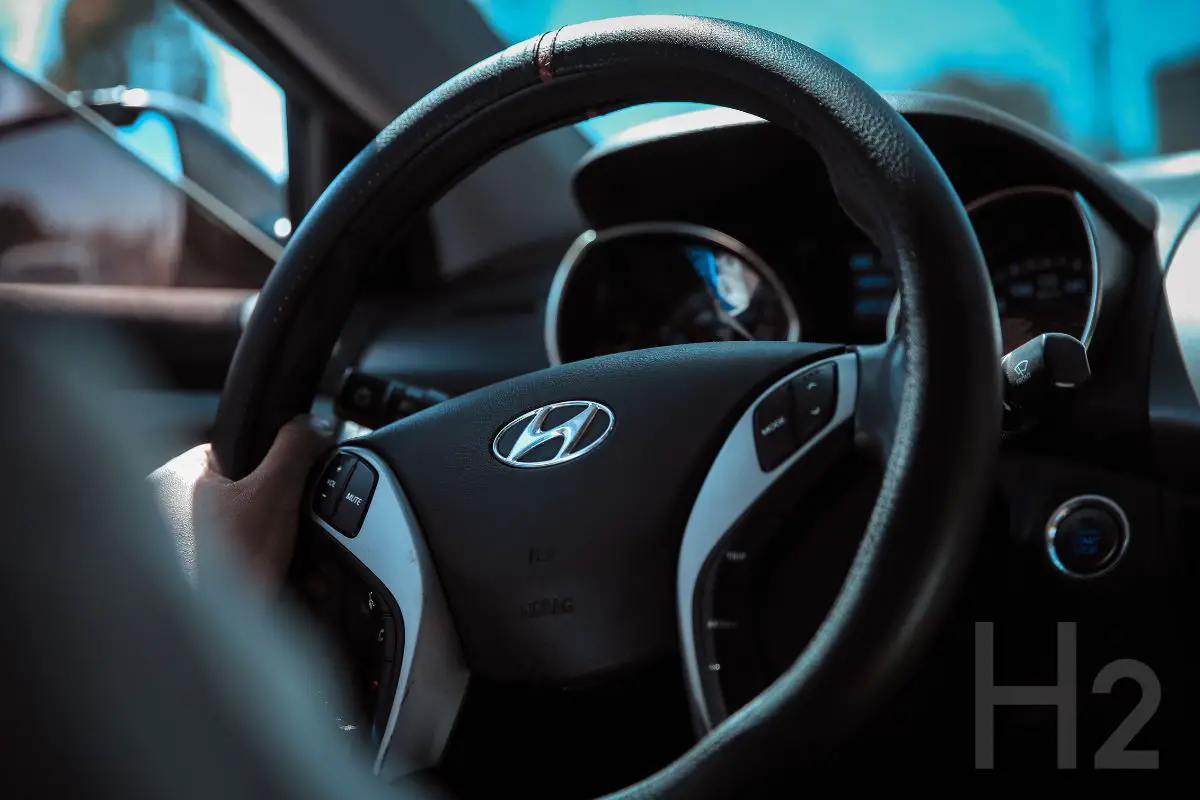 Hyundai has also announced that it will be using H2 in vehicles it produces, including passenger cars, buses, trucks, special equipment, aquatic vessels, trams, power generators, and advanced air mobility.
The automaker will be using its fuel cell system brand HTWO to spearhead the transition to using H2 in the vehicles it manufactures. The brand was first launched in 2020 and through it, the automaker expects to require 3 million annual tons of hydrogen by 2035 for steel production, logistics, and power generation.
Hyundai has also announced that it will be using H2 in vehicles it produces, including passenger cars, buses, trucks, special equipment, aquatic vessels, trams, power generators, and advanced air mobility.
The automaker will be using its fuel cell system brand HTWO to spearhead the transition to using H2 in the vehicles it manufactures. The brand was first launched in 2020 and through it, the automaker expects to require 3 million annual tons of hydrogen by 2035 for steel production, logistics, and power generation.
The need for infrastructure
Among the largest challenges to overcome in the sale of hydrogen fuel cell vehicles worldwide is the current lack of H2 refueling infrastructure, particularly in North America. Very few stations have been installed in North America, and among them, not all are available to the public. Substantial growth will need to exist before the vehicles will be practical in this important market. Ready to test your knowledge on the most abundant element in the universe? Take our fun and engaging Hydrogen Quiz now! [forminator_quiz id="58712"]How was this article?
Thanks for the feedback!