Hydrogen Fuel Cells Take the High Road: NTPC Launches India’s First Commercial Hydrogen Bus Fleet in Ladakh
NTPC launches India’s first commercial hydrogen bus service in Ladakh, the world’s highest deployment, reducing emissions and showcasing green tech resilience.
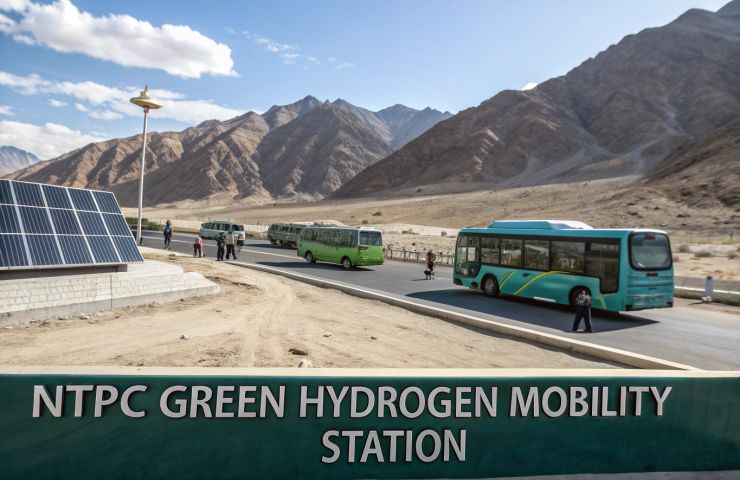
India just took a high-altitude step towards a cleaner energy future. On June 18, 2025, NTPC Limited handed over five hydrogen fuel cell buses to SIDCO Ladakh, launching what’s now the world’s highest-altitude deployment of hydrogen-powered public transport at Leh’s Green Hydrogen Mobility Station. More than just a technical milestone, this project is laying the tracks for zero-emission transport in some of the planet’s most remote and ecologically delicate regions.
Going Green at 3,650 Meters
Leh, perched at a jaw-dropping 3,650 meters above sea level in the Union Territory of Ladakh, is no easy place to run vehicles—let alone experiment with cutting-edge tech. Thin air, freezing winters, and uneven terrain put mobility solutions to the ultimate test. But what it lacks in ease, it makes up for with abundant sunshine and a pressing need for clean transit. That’s where fuel cell electric buses come in—these sleek machines cover up to 300 km on a fill of 25 kg of green hydrogen, releasing nothing but water vapor as they cruise through the Himalayas. The key enabler? An advanced hydrogen refueling infrastructure built by the Amara Raja Group.
When Solar Power Meets Hydrogen
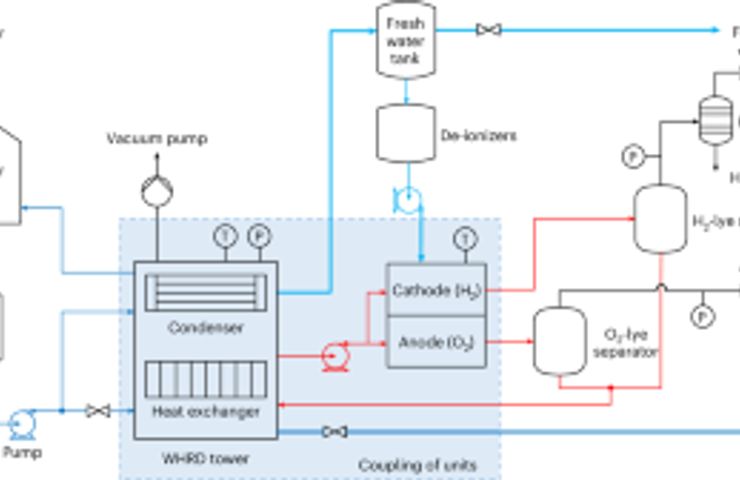
This project isn't just about getting from point A to point B—it’s about building a full-circle, zero-carbon system. The green hydrogen powering the buses is made right there in Leh, using solar-powered electrolysis. Sunlight hits the solar panels, which power electrolyzers that split water into hydrogen and oxygen. From there, the fuel is pressurized in 350-bar storage tanks and pumped into buses via smart dispensers—all of it designed to function reliably in freezing, low-oxygen mountain air. It’s clean energy, tailor-made for the top of the world.
“This isn’t just a green experiment—it’s a blueprint,” said one official close to the project. “We’re showing what’s possible when tough terrain meets tough technology.”
Why It Matters: Environment Meets Strategy
- Clean Transit: Cuts down around 350 metric tons of CO₂ per year—like planting nearly 13,000 trees annually.
- Bonus Oxygen: Produces about 230 metric tons of oxygen through electrolysis—every bit of it useful.
- Green Hydrogen Mission: Aligns directly with India’s push under the National Green Hydrogen Mission and its net-zero by 2070 pledge.
- Rugged Readiness: Proves that fuel cell technology can operate effectively in high-altitude, harsh-weather settings.
Placing a hydrogen infrastructure facility in the Himalayas is no small feat. With this deployment, NTPC isn't just showcasing technical know-how—it’s planting the flag for renewable tech dominance in places most would call unreachable. It also throws open the doors for other mountainous or off-grid regions across emerging economies to take notes.
Big Players and Ground-Level Action
Backed by serious institutional muscle, this rollout has come together through a mix of national drive and local execution. NTPC, India’s largest energy firm paving its way from fossil fuels to renewables, took the lead—building the system, financing the buses, and driving the overall vision. Earlier this year, Union Minister Manohar Lal Khattar from the Ministry of Housing and Urban Affairs (MoHUA) gave the hydrogen fleet its official send-off. Day-to-day operations now rest with SIDCO Ladakh, making them the first regional authority in India to run a hydrogen-powered public transport system.
Meanwhile, the Amara Raja Group played a pivotal role by setting up the country’s first high-altitude hydrogen refueling station. That’s a game-changer, helping to stabilize local operations while the broader green hydrogen network still finds its footing nationally.
What Lies Ahead?
This project isn’t just a one-off—it's a springboard. The success of hydrogen buses in Leh could open doors for clean mobility across eco-sensitive zones, military bases, border regions, and even tourist circuits, especially where traditional EVs struggle with range and performance. Still, hurdles remain. Upfront costs are high, the terrain complicates spare parts delivery, and keeping solar-powered electrolyzers running all year long isn't easy. That said, Leh’s experiment proves a key point: India’s vision for hydrogen isn’t just on paper anymore—it’s parked and running in the mountains.
In a Nutshell
NTPC’s hydrogen-powered buses in Ladakh are more than headline fodder—they’re a statement. A statement that fuel cell technology can go rugged. That hydrogen infrastructure can be built anywhere. And that India is serious about exploring bold energy paths in its most demanding regions. This won’t rewrite climate timelines overnight, but it could very well rewrite belief in what’s possible—and where clean innovation can take root.