Hydrogen news
Hydrogen fuel cell buses to join SEPTA fleet
The Southeastern Pennsylvania Transportation Authority had a rough experience with battery-powered vehicles. The Southeastern Pennsylvania Transport Authority (SEPTA) has announced that following its challenging experience in using battery electric buses, it will be testing hydrogen fuel cell buses as a part of its fleet in 2024. The transportation authority is seeking to find zero-emission vehicles that work for their operations. SEPTA’s hydrogen fuel cell bus test involves a $17 million investment into 10 vehicles that are powered by compressed H2 gas. This is a component of the agency’s ze…
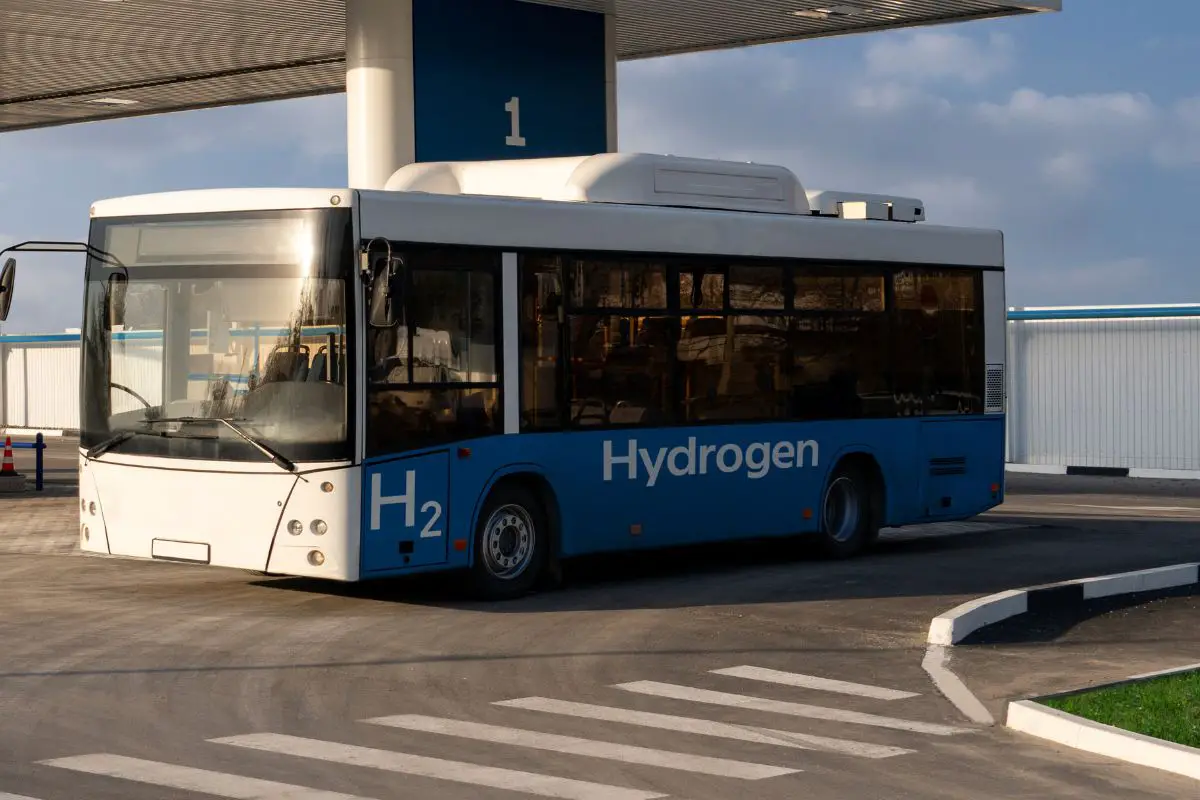
The Southeastern Pennsylvania Transportation Authority had a rough experience with battery-powered vehicles.
The Southeastern Pennsylvania Transport Authority (SEPTA) has announced that following its challenging experience in using battery electric buses, it will be testing hydrogen fuel cell buses as a part of its fleet in 2024.The transportation authority is seeking to find zero-emission vehicles that work for their operations.
SEPTA’s hydrogen fuel cell bus test involves a $17 million investment into 10 vehicles that are powered by compressed H2 gas. This is a component of the agency’s zero-emission fleet transition strategy. “A lot of the advantage comes back to just the additional range that hydrogen affords the vehicle,” said SEPTA director of power engineering Tyler Ladd. Presently, nearly all of SEPTA’s 1,447 buses are hybrid vehicles. Only 120 remain that burn only diesel. They had been testing battery electrics, but faced several challenges in doing so. When fully charged, the vehicles they were using had a range of between 150 and 200 miles, depending on the temperature outside and how hilly a particular route was, explained Ladd. One tank of hydrogen would take an H2 bus about 300 miles or more, he stated.
A hydrogen fuel cell bus also required only a few minutes to refuel, while battery electrics need hours.
Ladd pointed out that it takes between 12 and 15 minutes to refuel the hydrogen fuel cell buses they will be adding to their fleet. On the other hand, the battery electrics required a couple of hours to recharge, keeping in mind that their range was also notably smaller. Furthermore, charging the batteries required the transit system to build charging stations.[aweber listid="6179904" formid="497551345" formtype="webform"] SEPTA had stated that battery electrics would have been their zero-emission vehicle of choice, but they didn’t end up being a good fit. Its first 25 vehicles were purchased in 2016 and all had to be taken off the road in February 2020 because of cracked frames. They have yet to return to service, though the manufacturer, Proterra, is working with SEPTA to repair the issue. In November 2022, one of the vehicles awaiting these repairs experienced an ignition in its battery pack while parked at the SEPTA Southern Bus Depot. It took city fire crews hours to put it out. As a result, it’s not difficult to understand why SEPTA is open to testing out other clean energy vehicles such as the fuel cell buses that will be added to its fleet next year. Join in the conversation and help shape the future of hydrogen energy by voting in our poll today - See Below: [forminator_poll id="57416"]How was this article?
Thanks for the feedback!