MODEC and Eld Energy advance SOFC qualification for FPSO power
MODEC and Eld Energy completed feasibility and concept verification for a 40 kW SOFC module under ABS NTQ, clearing the way for prototype validation on an FPSO using produced gas.
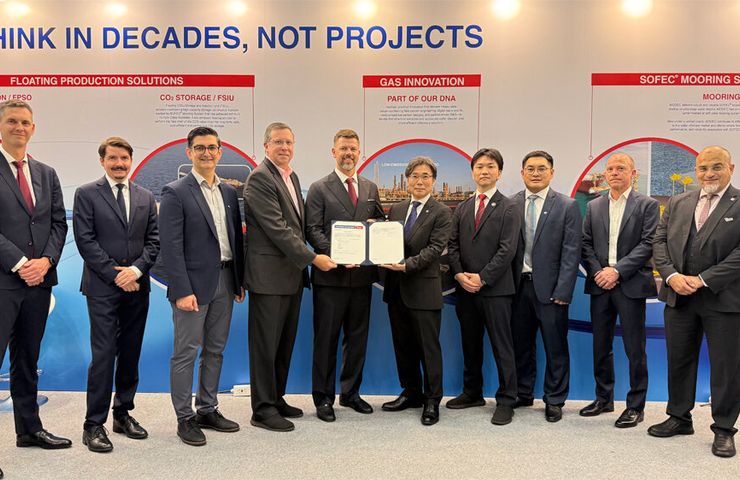
At Gastech in Bangkok this month, MODEC, Inc. and Eld Energy AS hit a significant milestone by completing the Technology Feasibility and Concept Verification stages of the American Bureau of Shipping's New Technology Qualification process. This is all about their 40 kW Eld Power Module, a solid oxide fuel cell system that's been specially designed for floating production, storage, and offloading units. It’s caught a lot of buzz in hydrogen fuel cell news circles as part of the ongoing push towards decarbonizing offshore operations.
The two companies shared that this qualification involved a thorough review of the design basis, a hazard analysis, and a concept review. All of this sets the stage for getting into prototype validation and eventually installing this tech on an operating FPSO (floating production storage and offloading unit). The goal here is to power the module with associated gas or other low-emission fuels produced by the FPSO, minimizing the need for traditional turbine generators. Earlier this year, they also got the ball rolling on a development plan for a 120 kW SOFC and carbon capture prototype and laid out plans for future development of a 1.2 MW system with integrated CO₂ capture, all aligning with MODEC's Vision 2034 decarbonization strategy.
How Solid Oxide Fuel Cells Work Offshore
So, how do these solid oxide fuel cells actually work in an offshore setting? Well, they operate by taking hydrocarbon or hydrogen-rich gases and converting them directly into electricity through some pretty neat high-temperature electrochemical reactions. In simpler terms, there’s a ceramic electrolyte plate that separates the anode and cathode, letting oxygen ions move around while electrons are pushed through an external circuit. When it comes to natural gas applications, the fuel is reformed at high temperatures to create a hydrogen-rich mix. The 40 kW Eld Power Module neatly bundles the stacks along with fuel, air, thermal management, and power conditioning systems into a compact, skid-mounted unit that’s ready for marine life.
The design is specifically tailored to tackle the unique challenges of offshore operations, like limited deck space, harsh conditions, and vibrations. Engineers have formulated a way to condition associated gas from the FPSO’s separators, effectively managing contaminants and pressure fluctuations before sending them to the SOFC stacks. They also conducted several risk assessments—including HAZID, HAZOP, and FMEA—to ensure everything is up to snuff. While some engineering specifics remain under wraps, MODEC is optimistic about achieving an expected overall system efficiency around 70%, pending prototype testing and delving into real-world performance metrics.
Strategic Implications for FPSO Power
Traditionally, floating production, storage, and offloading vessels have relied heavily on gas-turbine generators, which can be less efficient and produce local emissions. Swapping them out—or even just supplementing them—with solid oxide fuel cell tech could contribute to reducing fuel consumption per unit of electricity while cutting nitrogen oxide emissions. Plus, using the gas produced on-site as a fuel source makes logistics a whole lot easier since it taps into an already available hydrocarbon resource. But, it’s not all sunshine and rainbows; operators need to consider capital and integration costs, the frequency of stack replacements, and any potential energy trade-offs that come with carbon capture. The ABS qualification does provide a structured route to mitigate technical risks, making it a more appealing option for operators and investors looking into advanced fuel cell power solutions.
Company Collaboration and Track Record
MODEC, a leading force in offshore engineering, is spearheading the FPSO integration and demonstration of this technology as part of its Vision 2034 decarbonization roadmap. Meanwhile, Eld Energy—known for its innovation in fuel cell technology—brings the Eld Power Module design to life and will oversee system procurement and assembly. In the mix, Delta Electronics, Inc. previously joined forces with them to provide SOFC stacks and power electronics for the planned 120 kW prototype. And let’s not forget ABS, which is crucial for its rigorous classification and certification expertise, guiding the project through this comprehensive five-stage New Technology Qualification process.
Policy Context in Maritime Decarbonization
Looking at the bigger picture, the International Maritime Organization's 2023 strategy aims for net-zero emissions in international shipping by 2050 and a cut in carbon intensity by 2030. While offshore production units aren’t directly under this umbrella, the mounting global pressure to rein in greenhouse gases and the likelihood of emissions reporting make low-emission power systems more appealing than ever. Fuel cells, especially when teamed up with carbon capture and hydrogen recycling, offer FPSO operators a chance to stay aligned with shifting environmental regulations and stakeholder demands.
Now, the environmental efficiency of an SOFC solution isn’t just down to stack efficiency. Other factors like methane slip from the produced gas, the carbon capture rate, the energy demands of separation systems, and how captured CO₂ is ultimately handled all influence lifecycle emissions. From an economic standpoint, those hefty initial costs and specialized maintenance could slow things down unless there are clear savings on fuel and emissions reductions to back up the investment. Plus, reliability plays a huge role offshore; with the remote nature of FPSO operations, downtime isn’t really an option. Every minute counts!
As MODEC and Eld Energy gear up for the Prototype Validation stage, they’re looking to nail down detailed engineering approval and get that on-deck trial rolling on an active FPSO. If all goes well, it’ll pave the way for planned 120 kW and larger multi-megawatt systems, with onshore testing for the bigger module coming later this decade. For those keeping an eye on industry trends, the big questions are how SOFC technology can mesh with carbon capture offshore and if it can deliver reliable, economical power in such a challenging energy space. If they manage to pull it off, we might just be on the brink of witnessing a brand new chapter in sustainable offshore energy infrastructure.