IPEN and Instituto Hercílio Randon Deepen Catalyst R&D Partnership
IPEN and Instituto Hercílio Randon have deepened their R&D partnership to assess fuel cell catalyst durability under real-world cycles, supporting Brazil’s National Hydrogen Program and new low-carbon hydrogen rules.
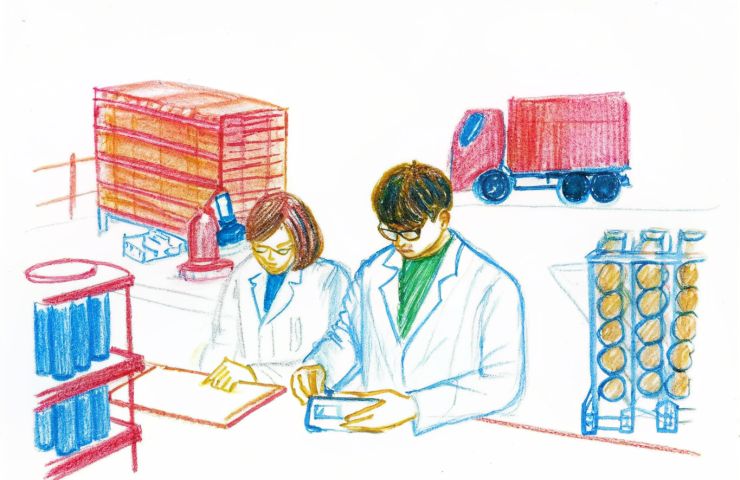
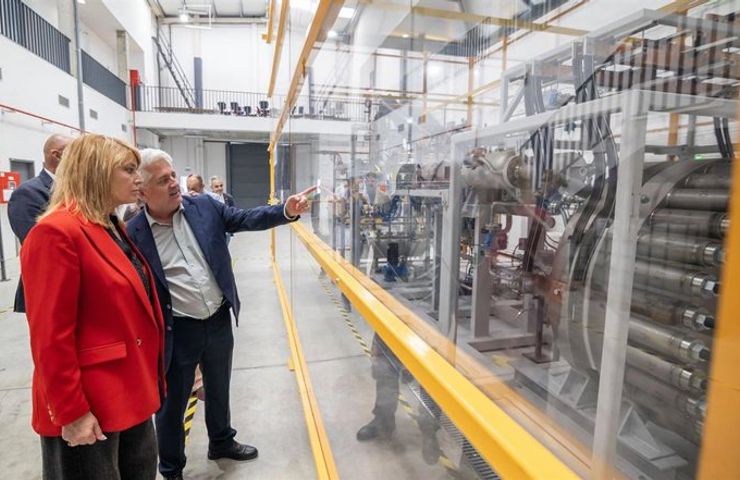
This month, Brazil’s Nuclear and Energy Research Institute (IPEN) welcomed folks from Instituto Hercílio Randon (IHR) to its São Paulo campus. They were there to strengthen their partnership focused on hydrogen technologies and fuel cell research. Bringing together talented teams from IPEN’s Fuel Cell and Hydrogen Center (CECCO) and IHR, the meeting was all about reviewing progress on a project that dives into how chemically modified catalysts hold up under real-world operating conditions for both proton exchange membrane fuel cells (PEMFC) and solid oxide fuel cells (SOFC). This collaboration is a perfect piece of Brazil’s larger National Hydrogen Program (PNH2) and fits right in with the legal framework established by Law No. 14.948/2024—working right at the intersection of research, industry, and evolving regulations.
IPEN stands as a major player in Brazil’s scene for nuclear and advanced energy technologies, under the watchful eye of the National Nuclear Energy Commission and aligned with the University of São Paulo. They’ve been pioneering projects on ethanol-based fuel cells since the late '90s. Meanwhile, IHR, which serves as the R&D division of the Randon industrial conglomerate in Rio Grande do Sul, is really good at taking lab breakthroughs and turning them into practical applications for heavy vehicles, trailers, and logistics tools. By merging IPEN’s insights into materials science with IHR’s industrial know-how, they aim to speed up the launch of robust and competitively-priced hydrogen systems that fit the energy and transport needs of Brazil.
Key Takeaways
Getting into the Catalyst Testing Process
At the core of this project is a detailed look at how catalysts perform when they go through cycles that mimic real-world duty profiles. IPEN’s labs have automated testing benches where catalysts face:
The catalysts being tested include traditional platinum on carbon and new options that blend in ruthenium or use metal-oxide supports. The chemical modifications they’re exploring range from core-shell nanoparticle structures designed to minimize dissolution to support matrices that boost electron conductivity and thermal stability. For PEMFC, they’re tracking changes in electrochemically active surface area (ECSA), voltage drops, and the integrity of the membrane electrode assembly (MEA) over thousands of cycles. Meanwhile, in the high-temp realm of SOFC, the team checks for ionic conductivity retention in ceramic electrolytes and watches for electrode sintering at temperatures between 800–1,000°C.
IHR takes it a step further by putting engineered sensor arrays into prototype fuel cell stacks that are fitted to heavy-duty truck chassis and stationary power units. Data-logging systems collect details on pressure differences, temperature rises, and voltage performance as they cycle through different regimes. This all-encompassing approach helps make sure that advancements in materials are validated not just in lab settings but also under real-world mechanical stresses and operational patterns seen in the Randon group’s applications.
Another exciting piece of this puzzle involves catalysts aimed at ethanol reforming. Given Brazil’s vast ethanol supply chain, onboard or centralized reformers become a practical pathway to producing hydrogen. The teams are looking for catalysts that excel in breaking C–C bonds and can resist carbon buildup, both vital for direct ethanol fuel cells and reformate-fed PEMFC systems.
Aligning Research with National Strategy
Brazil’s National Hydrogen Program (PNH2) sees hydrogen production, storage, and fuel cell applications as key parts of the country’s shift towards sustainable energy. Under the 2023–2025 plan, funding for hydrogen research is expected to soar from about R$29 million in 2020 to roughly R$200 million by 2025. PNH2 also connects specialized competence centers, like IPEN’s CECCO, into a network designed to:
Adding to this acheivement, Law No. 14.948/2024 designates ANP as the governing body for all things related to hydrogen production, transport, storage, and commercialization. A two-year sandbox allows pilot programs and new business models to operate under custom rules until full regulation kicks in. For the IPEN–IHR initiative, that means they get to test catalysts and system designs in controlled settings without running into compliance roadblocks too quickly.
By rooting their research in real-world policy scenarios, this partnership ensures that the technical findings will feed straight into Brazil’s developing regulatory and market landscape—an essential step considering previous concerns about a lack of demonstration projects and fragmented infrastructure.
Implications for Industry and Cost Competitiveness
Durable catalysts are foundational for cutting down the total cost of ownership (TCO) in hydrogen fuel cell systems. As it stands, fuel cell trucks and refueling stations often come with steeper upfront and ongoing costs compared to their diesel counterparts. The primary cost drivers include:
By enhancing catalyst longevity and ensuring stable performance, the goals for IPEN and IHR are to:
On the stationary side, reliable SOFC catalysts lessen the risks of decommissioning for industrial cogeneration setups. Combined with Brazil’s dropping green hydrogen production costs—thanks to a wealth of solar and wind resources—robust catalyst systems open the door for cost-competitive hydrogen fuel cells across mobility and energy sectors.
Moreover, nurturing local supply chains for catalysts and cell components could reduce dependence on imports, tackling a significant hurdle identified in policy discussions. Early partnerships between public institutions and businesses help close this gap by refining protocols, certifying materials, and training the workforce needed for a budding hydrogen infrastructure.
Roadmap to Deployment
There’s general agreement that heavy-duty transport—think buses, freight trucks, and trailers—represents a prime area for early hydrogen fuel cell adoption in Brazil. Both public and private players are keeping a close eye on:
At the same time, IPEN’s wider research portfolio explores next-gen electrolysis approaches, including nuclear-based high-temperature electrolysis, although those ideas are still on the back burner for now. Right now, the real breakthroughs are happening where catalyst science intersects with applied testing, and that’s where IPEN and IHR are paving the way for practical hydrogen solutions in both transportation and stationary applications.
By solidifying their scientific partnership, IPEN and Instituto Hercílio Randon are eyeing one of hydrogen’s major challenges—the durability of fuel cell catalysts under real-world conditions. It serves as a stark reminder that reaching Brazil’s zero-emission targets relies not just on policies and funding, but also on understanding the nitty-gritty of materials and system reliability. If the catalysts from this partnership pass the rigorous tests ahead, they could become crucial to building a robust hydrogen infrastructure, taking Brazil one step closer to greener transportation and cleaner power solutions.