HDF Energy Leads the Charge in Blanquefort with Multi-Megawatt Prototype Launch
HDF Energy has launched prototype development at its Blanquefort plant, backed by €25.4 million in public advances and targeting multi-megawatt PEM fuel cells for firm power.
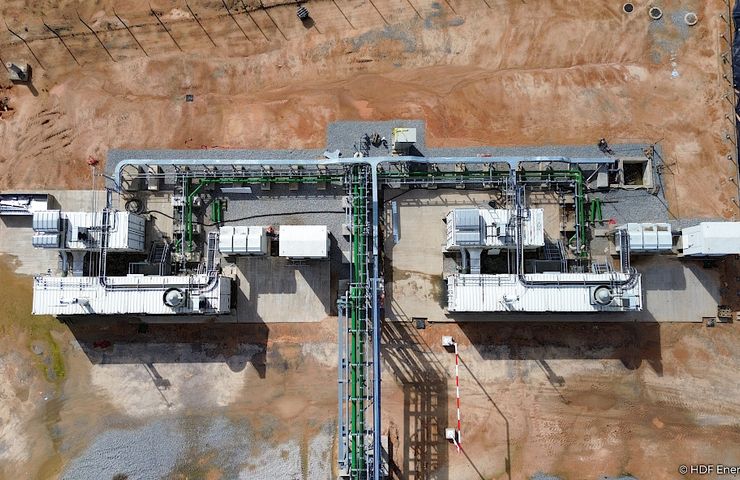
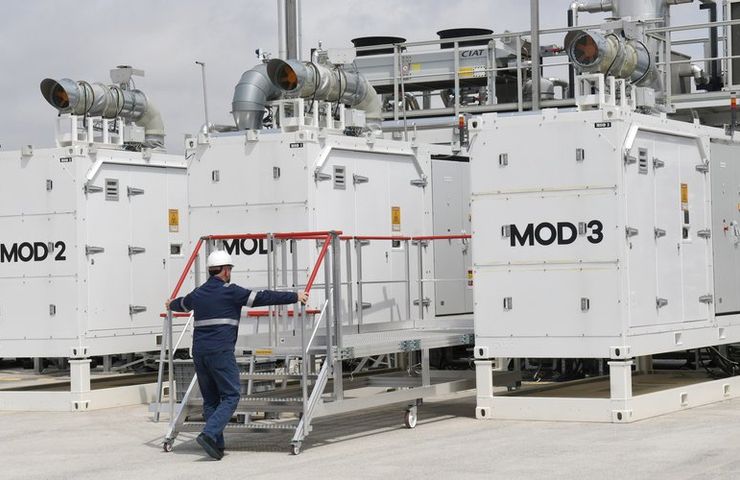
HDF Energy has reported launching prototype development at its 7,000-square-metre facility in Blanquefort, just outside Bordeaux. It marks a significant milestone in high-power PEM fuel cell manufacturing and signals a push toward large-scale green hydrogen production and reliable electricity generation across stationary, maritime, and rail applications. With public funding backing their efforts and strategic partnerships in play, HDF is undertaking important work. The site’s initial activities are concentrated on proving module designs and assembling early stacks that can be adapted for multiple use cases.
Collaboration and Financing Power the Project
Just this month, HDF Energy scored another advance under their France 2030 agreement with Bpifrance, building on previous advances from late 2025. This financing deal has a maximum cap of €168.9 million, which is tied to certain milestones and eligible spending. Getting the green light from the European Commission’s IPCEI Hy2Move framework indicates how well this project fits into a broader European hydrogen infrastructure strategy. It highlights the public support behind hydrogen production and storage solutions, and underlines the role of coordinated funding in moving prototypes toward industrial scale.
A State-of-the-Art Manufacturing Hub
The Blanquefort site, which was once a Ford gearbox plant, is focusing French manufacturing capabilities on producing PEM fuel cells. The facility features a hall dedicated to stack assembly, module integration, and testing benches. HDF Energy reports ambitious plans for an annual output that could reach certain targets in the near term and perhaps long-term aspirations as well. While those projections are still in development, the factory is currently home to an average of 93 employees—though that’s down from 103 a year ago as they streamline operations. Management has been condensing workflows and reallocating roles; the aim is to shorten iteration cycles without expanding headcount prematurely.
Driving Renewable Energy Integration
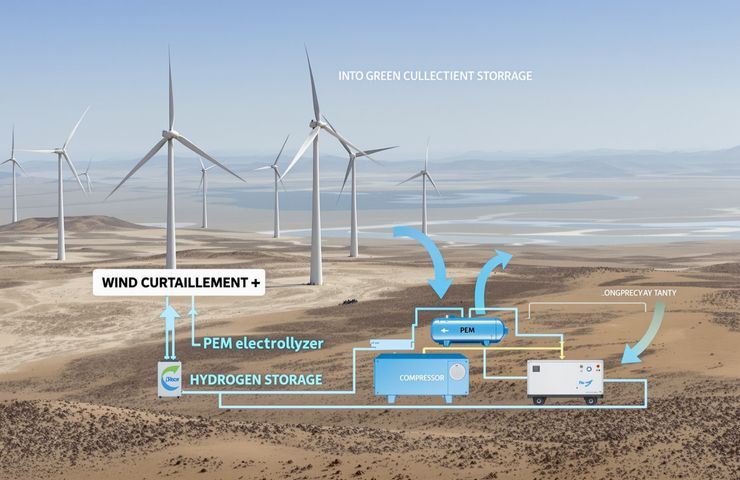
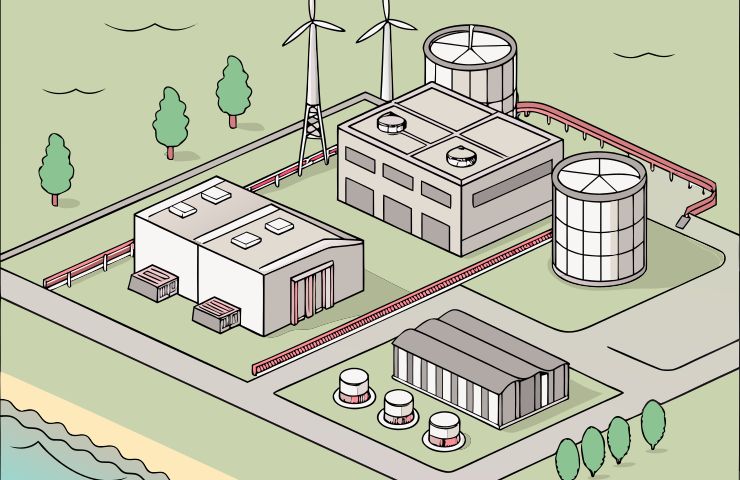
HDF Energy places its high-power PEM technology at the center of what they call “Renewstable” power plants. The concept links wind or solar farms, electrolysis units, hydrogen storage, and fuel-cell generators into a single system. The goal is to convert any excess renewable energy into hydrogen, store it, and then convert it back into electricity when needed. In practice, that means the plants are designed to smooth output from variable renewables and to supply power on demand to applications that need continuous or high-density energy. The design includes on-site testing benches and integration trials intended to validate that flow from generation to storage to reconversion.
Quantifying Early Results and Financial Health
In its recent financial update for the first half of the year, HDF Energy reported revenue of €0.55 million—up from €0.41 million during the same period last year. They’ve also managed to narrow their net losses to €4.0 million, down from €6.6 million. However, cash reserves took a hit, standing at €27.2 million in mid-year, down from €33.5 million at year-end. Those figures illustrate the gap that often exists between prototype development and commercial rollout. They also underline why staged public financing and follow-on investment remain central to the company’s near-term plans.
Prototype Phase and Next Steps
Having wrapped up thorough design work, HDF Energy indicates that their prototype modules had begun development by June 30, 2026. The next technical challenges are clear: testing stack durability, integrating balance-of-plant components, managing hydrogen purity, and obtaining third-party certifications. Each of those items will require dedicated testing cycles and external audits. Successfully navigating these tests will enable pilot installations in maritime and rail applications, in conjunction with their strategic partner ABB. Those pilot installations are intended to provide real-world data and to underpin potential commercial supply agreements with vessel operators and freight rail companies.
Integrating with European Hydrogen Strategy
The Blanquefort project fits into the broader European initiative under IPCEI Hy2Move, focusing on hydrogen mobility, transportation applications, and onboard storage solutions. France’s national strategy prioritizes industrial decarbonization and domestic manufacturing capabilities. By establishing their industrial center of excellence in Nouvelle-Aquitaine, HDF Energy is strengthening regional engineering skills and contributing to national employment goals. The location links local training schemes with the factory’s needs, creating a pipeline for technicians and engineers as the program scales.
Galvanizing Local Industrial Ecosystem
This initiative is generating interest in the Bordeaux metropolitan area. Various engineering firms, component suppliers, and logistics companies are aligning themselves with the growing hydrogen infrastructure needs. Local authorities are promoting workforce retraining initiatives and innovative clusters. The transformation of the former Ford site into a hub for low-carbon technologies shows how old manufacturing zones can adapt. As activity around the site grows, suppliers and service providers are lining up to support testing, certification and logistics, creating a localized supply chain that could shorten lead times for modules and spare parts.
Broader Impact and Future Potential
While the full commercial scale-up depends on validating prototypes and securing customer orders, the Blanquefort venture represents a step toward decarbonizing sectors where current energy storage solutions may not suffice. Large vessels, locomotives, and isolated energy grids could benefit from hydrogen-generated power on demand. With public support helping to lower early capital barriers, HDF Energy provides a glimpse into a future where green hydrogen and fuel cells could contribute to zero-emission electricity across Europe and beyond. The coming months of testing and pilot deployments will be decisive in showing whether the prototypes can meet durability and certification requirements at the costs anticipated by the project’s backers.