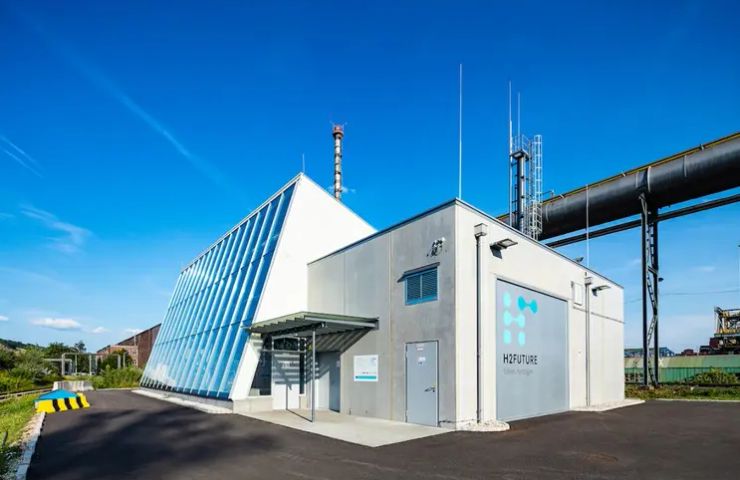
Arkema inaugurates €10 million SMR hydrogen production unit at Jarrie site
Arkema commissions a €10 million SMR hydrogen unit at its Jarrie plant to secure on-site hydrogen supply for key chemical processes.
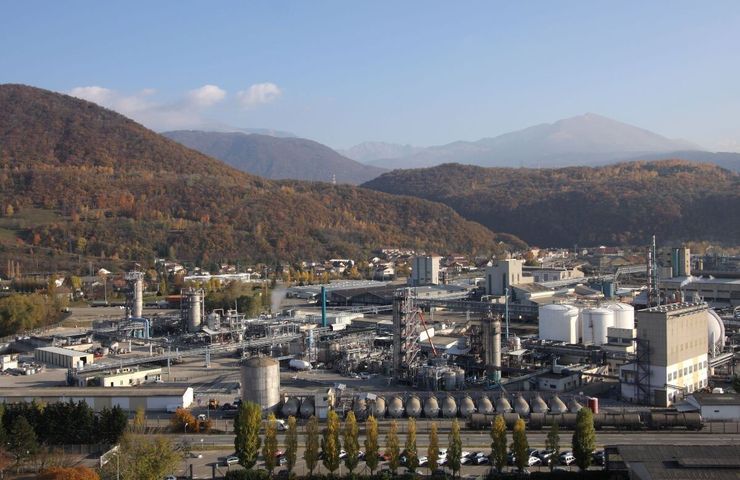
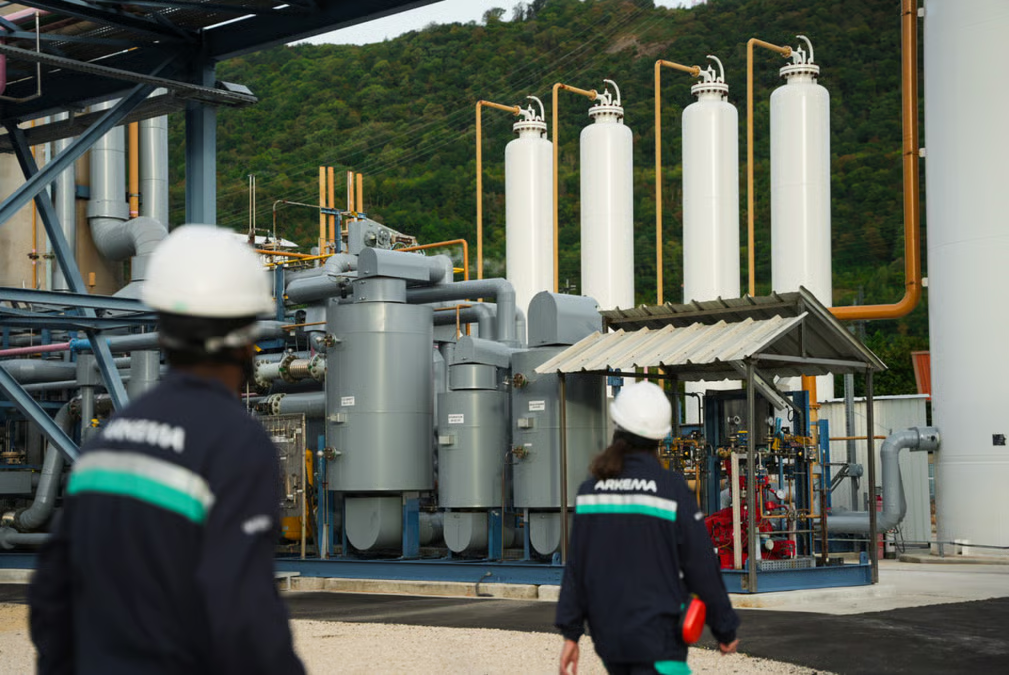
Arkema has just opened a new hydrogen production unit at its facility in Jarrie, France. This state-of-the-art plant, which officially opened this month but started operations back in July, employs Steam Methane Reforming (SMR) technology and represents an investment of about €10 million. Interestingly, Arkema plans to use this installation as the first step in a larger investment strategy that aims to enhance operations up until 2028. Instead of supplying hydrogen to outside buyers, the unit is designed to support the plant's internal chemical manufacturing, specifically for producing hydrogen peroxide.
At the Jarrie site, hydrogen isn't just an ingredient—it's crucial for the plant's primary hydrogen-peroxide operations. By generating hydrogen right there on-site, Arkema ensures a steady supply for not only hydrogen peroxide but also sodium chlorate and sodium perchlorate. These products are vital for sectors like pulp and paper, water treatment, electronics, and aerospace. This shift in approach comes as a response to a significant supply disruption: Vencorex, a long-time salt supplier that had been crucial for chlorate and perchlorate production since the late '60s, stopped deliveries after going into receivership in late 2024. So, in early 2025, Arkema decided to refocus its efforts at Jarrie to strengthen its core operations and decrease reliance on external suppliers. This new SMR unit is a vital part of that resilience plan, making self-sufficient hydrogen production central to its activities.
Technology at the Core
So, what exactly is Steam Methane Reforming? It's a well-established process for producing hydrogen. In simple terms, it converts natural gas—mostly methane—into hydrogen and carbon dioxide using steam and a metal catalyst at high temperatures. The process kicks off in reformer tubes, where methane reacts with steam at around 850 °C, creating a mix of carbon monoxide and hydrogen. Then there's a water-gas shift step that turns that carbon monoxide and more steam into extra hydrogen and CO₂. Finally, a purification stage cleans out any impurities, delivering pure hydrogen into the plant’s internal pipeline network. Now, while SMR often gets tagged as producing "grey hydrogen" (which has emissions unless captured), Arkema hasn’t disclosed any carbon-capture plans for this unit, so CO₂ from both the conversion and process heating is released as a part of normal operations.
Regulatory and Environmental Balance
The Jarrie facility operates under France’s strict Seveso regulations, given its production of oxidizers, chlorates, and perchlorates. In 2023, local authorities took a close look at the existing SMR setup and pointed out some areas for improvements, especially around safety documentation and risk assessments. While these remarks were about the previous facility and didn’t identify any major incidents, they definitely highlight the importance of solid safety practices as the site evolves. Environmentally speaking, the SMR process is still heavy on CO₂ emissions since both the methane-steam reaction and process heating generate carbon dioxide without carbon capture. So, Arkema is promoting this unit more as a resilience strategy than a green hydrogen or decarbonization initiative.
Business Strategy and Investment
Arkema's investment of about €10 million for the SMR unit marks just the beginning of a broader investment plan expected to unfold through 2028. Company executives believe that producing hydrogen in-house is key to maintaining the Jarrie site’s essential products—hydrogen peroxide, chlorate, and perchlorate. After the salt supply crisis in 2024, Arkema's game plan set in motion in January 2025 was to concentrate on core activities, reshaping or scaling back non-crucial operations and letting go about 154 jobs in the process. While the SMR project is expected to help retain essential staff associated with hydrogen production, Arkema hasn’t provided details on how it will affect overall employment. This step-by-step funding approach gives the company flexibility in managing capital with the ongoing production needs of a plant that's been around since 1916.
Securing Industrial Resilience
In a world where chemical supply chains can easily fracture under geopolitical or financial pressures, producing hydrogen on-site is a straightforward way to enhance resilience. By embedding an SMR unit right in the plant, Arkema drastically cuts its dependence on outside deliveries and dodges delays related to transport. This direct integration allows hydrogen production to scale up or down based on the needs of downstream processes, ensuring steady output and quality. For Arkema, boosting its hydrogen-peroxide production means providing better service and reliability to its end users, from paper mills to electronic manufacturers and aerospace firms. This strategy reflects a broader trend in the chemicals sector: strengthening legacy sites with dedicated energy and feedstock units when the regional supply lines start to unravel. While SMR may not have the new-age excitement of electrolysis or carbon capture tech, its proven efficiency makes it a sensible choice for companies who are focused on keeping things running smoothly.
Position in the Hydrogen Landscape
France's national hydrogen strategy is increasingly leaning toward renewable and low-carbon hydrogen, especially through electrolysis powered by nuclear or renewable energy sources. But for now, industries like refining, fertilizer production, and specialty chemicals still heavily depend on conventional reforming. Arkema's Jarrie project exemplifies this balance: while policymakers are pushing for green hydrogen, the existing demand for process heat and feedstock keeps SMR technology at the forefront. Moving forward, a crucial question hangs in the air: will Arkema and others retrofit their reformers with carbon capture technology to transition to blue hydrogen, or will they incorporate electrolysis to diversify their hydrogen offerings? Until then, grey hydrogen remains fundamental for many industrial operations.
A Forward-Looking View
Now that the first phase of the SMR project is up and running, Arkema is signaling that more projects are on the horizon through 2027. These initiatives will focus on improving hydrogen distribution, enhancing compression capabilities, and streamlining raw material logistics. While there aren't any details yet about expanding pipelines or storage solutions, the end goal is crystal clear: building a more flexible hydrogen network that can adapt to the changing needs of production. As the chemical industry prepares for a shift toward green hydrogen and carbon neutrality, the Jarrie unit raises an important question: can captively produced grey hydrogen provide the necessary stability to bridge the gap toward low-carbon solutions? For now, Arkema's SMR installation demonstrates industrial pragmatism, showing that in times of supply chain strain, reliability can outweigh the allure of the latest technology.
So, while the Jarrie SMR initiative might not be making headlines with talk of electrolysis or cutting-edge carbon capture, it illustrates how chemical facilities can adapt existing technologies to maintain critical outputs. This industrial realism could be just as influential as any high-tech pilot in shaping the future of hydrogen infrastructure.