Hydrogen-Based Fuel Gets £63M Boost as UK Bets Big on Aviation Decarbonization
The UK boosts its SAF ambitions with £63M focused on hydrogen and methanol technologies, aiming to hit 2030 targets and secure a leading edge in aviation decarbonization.
Hydrogen production and methanol-to-jet conversion just got a major boost. On July 22, 2025, the UK government announced a fresh round of investment—£63 million—to accelerate sustainable aviation fuel (SAF) projects. It’s the latest slice from the Advanced Fuels Fund (AFF), which has now pumped in a total of £201 million since 2022. The big goal? Tackle one of the toughest parts of the climate challenge: cutting aviation emissions.
The Crux: Who’s Getting What
Let’s get right to it. Here’s where the money’s going across 17 selected projects:
- LanzaTech bagged £6.4 million for its DRAGON gas fermentation work—plus another £10 million for its LanzaJet partnership with British Airways in South Wales.
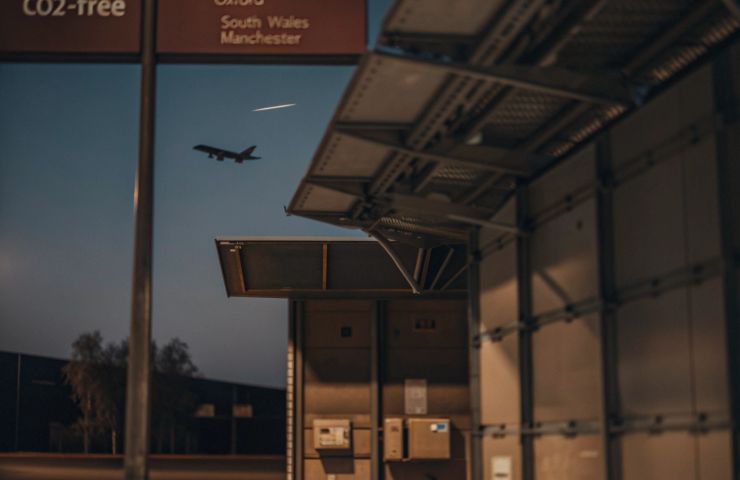
- Essar Energy Transition received £2.5 million to power up its methanol-to-jet facility, set to supply Manchester Airport. The plant may tap into green hydrogen back in India via its parent firm.
- OXCCU was awarded £3.1 million for its 'OX2' pilot plant, which turns CO₂ into jet fuel near Oxford Airport.
- Equinor also secured funding for its methanol-based SAF technology.
- University of Sheffield landed £1.5 million to ramp up R&D and testing infrastructure.
What It Means: More Than Just Mandates
Yes, there’s a 2% SAF mandate by 2025, rising to 10% by 2030. But this funding round isn’t just about hitting quotas. It’s part of a broader play—shoring up energy independence, leading on tech exports, and staking the UK’s claim before the U.S. or Germany eats our lunch in the global SAF race.
Zoom In: The Technologies Getting Backed
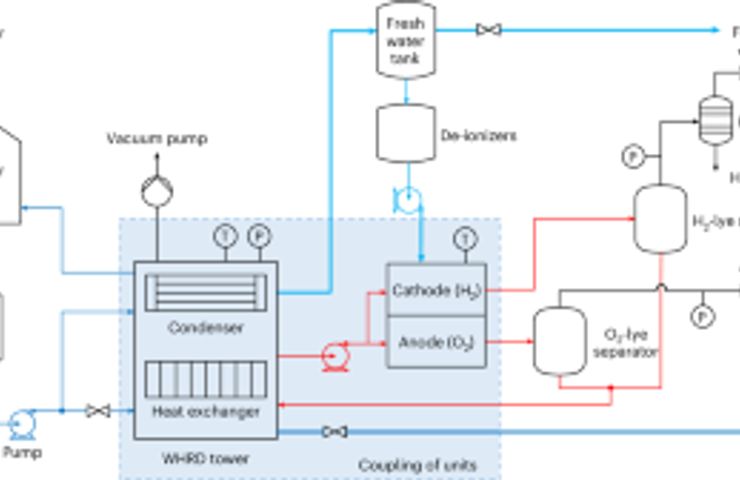
- Hydrogen SAF: By mixing green hydrogen from electrolysers with captured CO₂, platforms like OXCCU aim to produce synthetic jet fuel that could slash lifecycle emissions by up to 70%.
- Methanol-to-Jet: Essar’s project uses green methanol or bio-methanol—possibly piped in from overseas—to make jet fuel with a much lower carbon footprint.
- Gas Fermentation: This is LanzaTech’s specialty. It converts waste gases like CO₂ and carbon monoxide into ethanol, which then becomes jet fuel. It’s affordable chemistry that actually scales.
The Bigger Play
This isn’t just about cutting carbon—it’s about jobs and delivering real economic value. We’re talking about creating around 1,400 high-skilled roles across South Wales, the North West, and Oxfordshire. Think of it as a long-term shot at turning the UK into a fuel-tech powerhouse. Miss this moment, and we risk becoming permanent importers in the booming SAF economy.
No Free Lunch
Let’s not kid ourselves—traditional fuel suppliers won’t step aside quietly. And SAF, particularly the fancy stuff like hydrogen-derived fuels, isn’t cheap yet. These projects need more than funding—they need solid policy support and reliable infrastructure rollouts. If the government slips on SAF targets or regulations wobble, investor confidence could nosedive. Then this whole thing could unravel fast.
The Maverick Take
The UK’s stepping up in a space where most countries are still just debating white papers. Backing sustainable aviation fuel isn’t just green politics—it’s an economic strategy. But the real win depends on scaling up hydrogen electrolysis, locking in a strong price for captured CO₂, and building clean, resilient supply chains.
This £63 million injection? It’s a solid start. But the clock’s ticking, and the big question still hangs: Will these tech bets actually take off—or are we heading for another round of hydrogen hype headlines by 2027?
Source: UK departament for transport