Almazán's Begonia Project Revives Hydrogen Infrastructure Plan
The Begonia project, promoted by Green Capital Development 98, S.L.U. and developed under the Alkeymia brand, has re-entered environmental review in Castilla y León, aiming to deploy renewable-powered electrolysis and methanol synthesis with an investment exceeding €650 million.
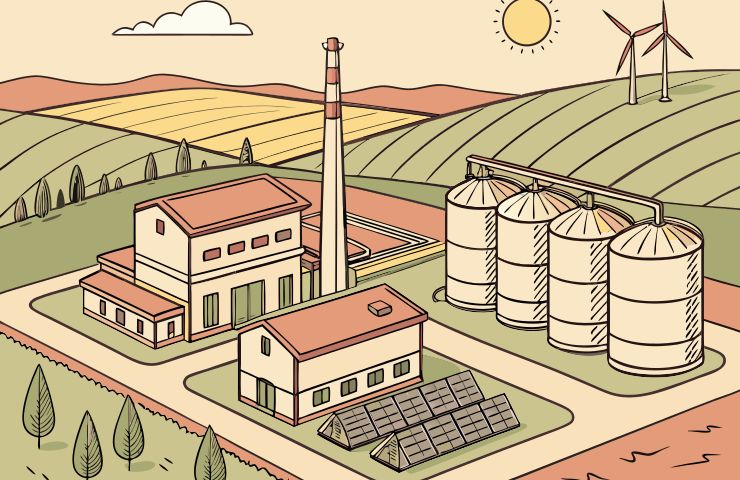
In the bustling industrial area of Soria province, there's a promising project called Begonia making waves in the world of hydrogen. After navigating through some tricky regulatory waters, this hydrogen-to-methanol initiative is stepping into the spotlight once again. The regional government of Castilla y León recently released a notice about it under the banner of Green Capital Development 98, S.L.U., heralding a new chapter for what some see as one of Spain’s most ambitious green hydrogen production endeavors. The project’s site is strategically located in Almazán, where it benefits from available industrial land, easy access to national roads, and a groundwater aquifer. However, it also exists in an area where some parts are protected due to their importance to the Duero basin's hydrology. With investment estimates soaring to over €650 million, Begonia highlights just how complex it can be to implement a large-scale hydrogen infrastructure, especially in a climate where environmental protections and resource management are top priority.
Resuming the Path to Industrial Decarbonization
At its core, the Begonia project is pretty fascinating. It takes renewable electricity and turns it into hydrogen through a process known as water electrolysis, and then that hydrogen gets converted into methanol through catalytic synthesis. The formal permitting dossier lists Green Capital Development 98, S.L.U. as the project holder, while the developer, Alkeymia, frames Begonia within a wider portfolio of green hydrogen and derivative projects. With the announcement in the regional gazette, it's now time for public consultation, which will include examining the potential impacts on local plants, animals, and groundwater. Stakeholders will have a chance to look over emissions forecasts, noise assessments, and plans for how the project will fit in with the landscape. Before the Junta de Castilla y León gives the final green light for the environmental authorization, the developer has to respond to public feedback, which will enable them to move on to the detailed engineering and financing stages of the project.
Technical Dive: Electrolysis to Methanol
Digging into the technical side, the heart of this operation involves stacks of electrochemical cells that work to split water into hydrogen and oxygen using renewable energy. On one side, you’ve got green hydrogen being captured, and on the other, oxygen is released as a byproduct. Early reports suggest the first electrolyzer could handle about 30 MW, but Alkeymia is also talking about a larger modular concept of up to 260 MW. Now, they're still finalizing the details. Those in the know say the decision between using proton exchange membrane (PEM) electrolyzers and alkaline ones will depend on factors like electricity pricing, how much space they have, and maintenance needs. PEM units are great for adapting quickly to fluctuations in solar and wind energy, while alkaline systems might be more cost-effective for steady hydrogen output. Additionally, Begonia plans to incorporate hydrogen storage to manage supply fluctuations and includes a reactor that combines H₂ with CO₂ from either biogenic sources or captured industrial emissions to create green methanol. This approach not only helps simplify hydrogen storage but also makes it easier to transport long distances compared to gaseous hydrogen.
Strategic and Financial Considerations
By melding hydrogen production with methanol synthesis, the project developers are cleverly sidestepping the headaches related to transporting compressed or liquefied hydrogen over long distances. Methanol is a much more convenient liquid, fitting in well with existing fuel logistics, and could cater to maritime operators, chemical manufacturers, and even wood-treatment facilities. It's interesting to note that their capital expenditure has risen significantly—from around €460 million to over €650 million at this point. Employment opportunities are estimated to range from about 100 to 150 direct jobs, plus a whole bunch of construction work during the building phase. However, the financial forecasting needs to be carefully aligned with these varying costs and potential returns from methanol sales contracts. Of interest, the project is already attracting attention from maritime shippers looking for low-carbon bunker fuels and chemical producers hunting for greener materials for their products. Getting solid clean hydrogen offtake agreements will be crucial for securing financing, especially since various national and regional initiatives in Spain could help cover some of the investment expenses.
Permitting Hurdles and Regional Context
The Begonia project’s comeback isn’t without its setbacks. It previously faced roadblocks due to concerns over flood risks at its original proposed site near the Morón River. Since that location wasn’t deemed viable, the team had to relocate and kick off a new environmental review process. Now, the Duero basin authority is looking at a request for a groundwater concession of 28.84 liters per second from the Cuenca de Almazán aquifer. This is essential for providing the water needed in the electrolysis process. They’re currently reviewing how this could impact aquifer levels and local ecosystems, meaning the applicants need to propose ways to mitigate any potential issues, such as rainwater capture or recycling process water. Meanwhile, any changes to land use mean soil surveys and floodplain evaluations must also be carried out. To bolster their case for the new site, the project team has commissioned hydrological studies that demonstrate that their chosen higher ground isn’t susceptible to flooding, ensuring it won't put operations—or nearby communities—at risk.
Developer and Corporate Landscape
So while Green Capital Development 98, S.L.U. holds the formal title for the project, it’s actually Alkeymia that’s pulling the strings to drive Begonia forward. Another player in the mix is Capital Energy, which is the larger renewable energy group from which Alkeymia was spun off. They provide crucial support in terms of power procurement and governance. This layered structure is becoming quite common in the industry, focusing on specialized hydrogen units that help minimize project risk, streamline licensing, and sharpen up offtake negotiations. Alkeymia isn’t just about Begonia either; their portfolio includes initiatives in green ammonia production, ammonia-cracker integrations, and battery-hybrid electrolysis systems that work in tandem with solar and wind assets across Spain—showing how the market for industrial decarbonization is really maturing.
Looking Ahead: Cluster Potential and Market Signals
If everything goes smoothly for Begonia, gaining final environmental approvals, water rights, and securing financing could ignite a regional cluster centered around hydrogen and its derivatives in Soria. However, developers still need to tie up grid connections, finalize renewable energy supply arrangements—likely a blend of solar PV and wind—and stay aligned with Spain’s national hydrogen roadmap. Observers will be keeping a close eye on how the project measures up in terms of lifecycle emissions against other options out there. As discussions around green hydrogen vs blue hydrogen become more pronounced, Begonia's progress might become a key indicator of whether Spain's policy frameworks can effectively turn into fully authorized, bankable projects that not only drive the energy transition but uplift the local economy too.