Faraday Earth’s AI-Optimized Non-Thermal Plasma for Clean Ammonia
Faraday Earth is deploying AI-driven, containerized non-thermal plasma reactors to produce clean ammonia at ambient conditions, targeting decentralized green hydrogen production and competitive costs.
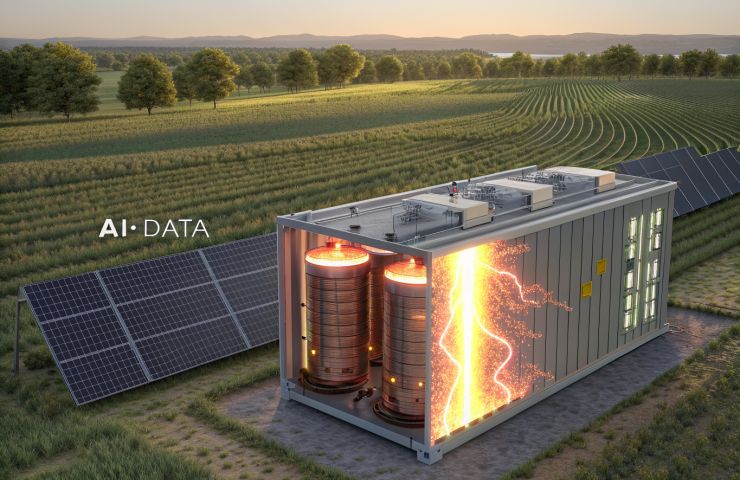
In the quest to decarbonize hydrogen production, Faraday Earth is shaking things up with a new modular approach to fertilizer supply. They’re using non-thermal plasma technology combined with smart, AI-optimized controls to churn out clean ammonia right where it’s needed—close to the farms. This innovative startup, which got its start in the U.S. while conducting research and development in India, is on a mission to transform the way we produce ammonia by running reactors at room temperature and standard atmospheric pressure. If they pull this off, it could mean lower logistics costs, a significant drop in CO₂ emissions, and create fresh avenues for decentralized green hydrogen production that could greatly enhance fertilizer security in agriculture. Their reactors represent exciting new hydrogen production methods that go beyond traditional electrolysis.
Non-Thermal Plasma Synthesis
Most ammonia plants today are energy hogs, relying on high temperatures and pressures to activate nitrogen, which isn’t great for the environment. But Faraday Earth has taken a different route! Their reactor fires up a high-voltage electric field to create a non-thermal plasma where the gas stays cool, while the electrons get revved up. These energetic electrons then crash into nitrogen molecules, producing excited states and radicals that can easily combine with hydrogen to create ammonia. Because it operates under milder conditions, this system is smaller and adaptable. Research shows that plasma-assisted ammonia methods can work smoothly with renewable energy sources and can be efficient even on a small scale, though they’ve hit some snags in energy efficiency and production selectivity along the way.
AI-Driven Process Control
A big part of what sets Faraday Earth apart is their use of artificial intelligence to keep their reactors in tip-top shape. They collect tons of high-frequency data on everything from power input and voltage to gas flow and ammonia output. This data feeds into machine learning models that help them figure out how to tweak operating parameters for the best yield per kilowatt-hour. By constantly refining voltage patterns, gas mixes, and flow conditions, the AI aims to cut down on energy usage and prolong the life of the equipment. Plus, the flexible operation lets the reactors ramp up right when electricity is most affordable and green—super essential when relying on intermittent sources like solar or wind. The specific AI algorithms they’re using are proprietary, but this highlights how crucial data-driven controls are becoming in the world of chemical manufacturing.
Modular Deployment Model
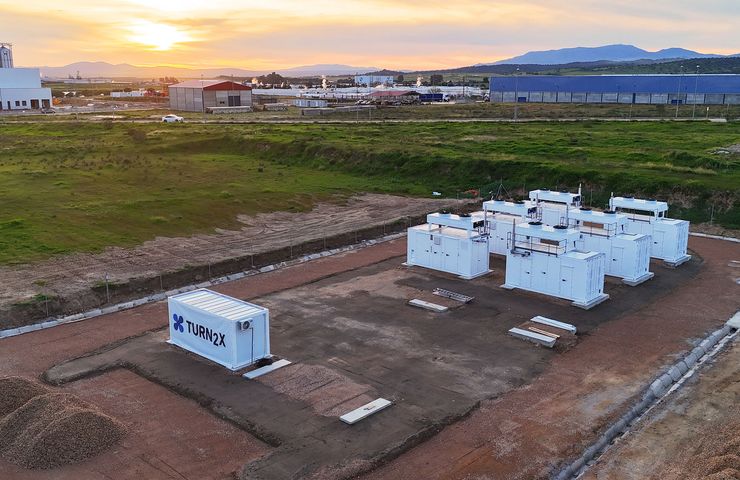
Faraday Earth’s reactors can fit snugly inside standard shipping containers, which opens the door for a decentralized production model. With this modular setup, they can plant units directly on or near farms, in industrial zones, or even in remote communities. That means less need for long-haul transportation of ammonia or finished fertilizers, making it more reliable and cost-effective for farmers. Plus, since it localizes production, it buffers them against ups and downs in global markets and supply chain hiccups. Containerized reactors make permitting and installation a breeze compared to large traditional plants, which could speed up deployment and allow for more flexibility to meet shifting demand. This plug-and-play style could be especially beneficial in areas where grid capacity or infrastructure is a bit thin.
Technical and Research Challenges
Despite all the excitement, non-thermal plasma synthesis does have some bumps in the road, particularly when it comes to energy efficiency and ammonia selectivity. The electron-driven reactions can produce unwanted side products, which can drag down overall yield. Getting the right catalysts inside the plasma zone is key—choosing materials that boost ammonia production while standing up to the plasma's harsh conditions is a hot topic in research. Concerns around the durability of reactor components also loom large; high-voltage conditions can cause electrode wear and membrane deterioration, which can limit how often the reactors are operational. Experts say that to reach competitive conversion rates and energy efficiency compared to conventional Haber-Bosch methods, continued innovation in reactor design and power electronics is essential. Faraday Earth is actively tackling these technical challenges while leveraging real-time data analytics to break through longstanding barriers to electrified ammonia production.
Market and Financing Landscape
The rise of green ammonia has caught the attention of policymakers and financial backers all around the globe. Many governments are rolling out green hydrogen initiatives that include funding for ammonia pilot projects and incentives for green certification. Faraday Earth’s small-scale, modular model looks promising for early adopters in agricultural co-ops or industrial clusters that are eager to secure energy and curb carbon emissions. However, getting capital for demonstration plants hinges on proving performance metrics and securing offtake deals with fertilizer distributors or renewable energy suppliers. Collaborating with utilities for a reliable renewable energy supply and aligning with carbon credit initiatives might boost project viability. With all the buzz surrounding clean hydrogen, having solid offtake agreements and supportive regulations will be vital for turning lab-scale innovations into real-world applications.
Economic Targets and Levelized Cost of Ammonia
Faraday Earth is shooting for a levelized cost of ammonia around $500 per metric ton, which could stack up nicely against fossil-based gray ammonia when you consider logistics and potential carbon pricing. This estimate is based on the company's own techno-economic models, though it still needs independent validation. Hitting these cost targets will rely on boosting plasma energy efficiency, extending the lifespan of reactor components, and securing low-cost renewable energy sources. If they can prove this levelized cost at a larger scale, green ammonia could stand tall without needing hefty subsidies, paving the way for it to be an attractive option for fertilizers and even in markets exploring ammonia for marine fuel or energy storage.
Strategic Context in India
India is a major player in the global nitrogen fertilizer market, consuming a significant chunk using methods that often burn fossil fuels. Fluctuating gas prices and supply challenges have put farmers at the mercy of steep cost swings. With R&D operations based in India, Faraday Earth is well-positioned to tailor their systems for local farming conditions, considering the variability of the grid and available renewable resources. Rolling out their containerized modules close to farms could cut down on transport and storage woes, bolster resilience, and back India’s decarbonization ambitions. While the national framework for green ammonia is still taking shape, the chance to connect modular reactors with solar or wind facilities aligns nicely with some of the exciting hydrogen energy news coming out of the area.
Implications for Agriculture and Climate
Bringing ammonia production into the modern age with electrified, decentralized models could lead to a whole host of benefits. For starters, lower carbon emissions per ton of ammonia could shrink the environmental impact of fertilizer production, helping to tackle a sector known for significant industrial emissions. When production happens locally, it reduces risks and emissions tied to long-distance transport, while also improving supply security for food production. If Faraday Earth hits its targets, it might validate non-thermal plasma synthesis as a legitimate production method and spark even more research and investment into electrified chemical processes. Still, real-world data and independent assessments will be crucial to truly understand the impacts—both environmental and economic.
Looking Ahead
As Faraday Earth gears up for pilot demonstrations, the industry will be keeping a keen eye on how they perform regarding energy use, ammonia yield, and operational stability. The regulations surrounding distributed ammonia plants, safety measures, and green certification programs will also shape how this technology is adopted. If these containerized, AI-enhanced non-thermal plasma systems deliver on their promises, they could change the game for ammonia production and complement other paths for green hydrogen production. For those in agriculture, climate policy, and the clean energy sector, following Faraday Earth's journey could signal a shift towards more robust, carbon-friendly fertilizer production and much more.