Green Hydrogen Production Advances with Electrolyzer Delivery at CHARBONE’s Sorel-Tracy Site
CHARBONE advances its green hydrogen production by delivering a new electrolyzer to its flagship Sorel-Tracy site, moving into Phase 1B execution.
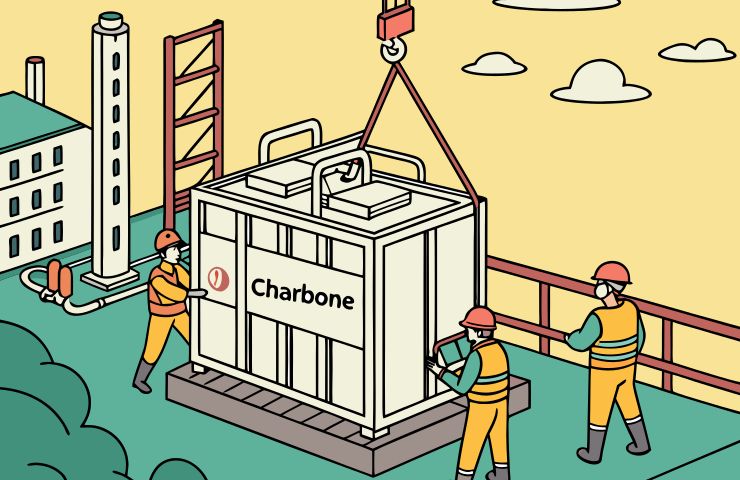
Imagine strolling through an industrial port on a sunny summer morning, with barges gently bobbing along the St. Lawrence River, and the rumble of heavy machinery filling the air. Right at the center of this lively scene is a carbon-steel electrolyzer, freshly arrived from specialized fabrication yards, now sitting proudly on the ashpalt apron at CHARBONE Corporation's flagship site in Sorel-Tracy. This isn't just a new piece of equipment—it's a tangible sign of a bigger story unfolding in the world of hydrogen production.
A Big Leap for Modular Phase 1B
This summer, CHARBONE Corporation celebrated a significant milestone with the delivery of a core electrolyzer unit to its Sorel-Tracy facility, marking a major step forward in Phase 1B of its ultra-high-purity hydrogen project. While they didn’t spill the beans on exact capacity numbers, this new addition is set to boost production alongside earlier modules from Phase 1A, kicking things into high gear for customer schedules. When equipment comes in on time, it can really drive the momentum of a project, influencing everything from construction timelines to financing and regulatory inspections—especially for a small-cap developer navigating tight deadlines.
Diving into the Tech: How Electrolysis Works
So, what’s the deal with this electrolyzer? At its heart, it works by sending direct current through water-filled cells. What happens next? Water molecules get to work, splitting into hydrogen and oxygen. These systems usually fall into two main camps: alkaline or proton-exchange membrane (PEM). PEM electrolyzers are often the go-to for those needing ultra-high purity hydrogen since they use a solid polymer electrolyte layered between catalyst-coated electrodes. Once the hydrogen is created, it goes through several purification stages—think palladium membrane filters or pressure swing adsorption—to ensure it meets the strict purity requirements for sectors like semiconductor manufacturing or lab research, producing hydrogen that’s cleaner than a whistle with less than one part per billion of contaminants.
Smart Moves for Small-Cap Strategy in Hydrogen Infrastructure
For a publicly traded, vertically integrated industrial gases company like CHARBONE, the arrival of this equipment is a big deal. Financially speaking, when equipment shows up as scheduled, it can lead to those all-important financing tranches getting unlocked, sway share valuations, and demonstrate execution prowess to investors who are keeping a close eye on green hydrogen news. From a supply-chain perspective, managing the logistics of transporting those hefty electrolyzer skids requires precision, and building strong relationships with vendors is key. When you get all these elements right, it helps keep costs down and timelines tight—essential in a capital-hungry sector where delays can seriously shake investor confidence.
Phased Buildout: A Historic Setting
The project in Sorel-Tracy is built on years of groundwork. The city gave access to land in the industrial-port zone, making the most of deep-water berths and highway links. Following environmental approvals, they kicked off preliminary civil works back in 2022. By late 2025, there’s a good chance the first hydrogen shipments will leave the facility, if not at least complete some performance tests. The modular approach allows each batch of electrolyzers, compressors, and storage tanks to come online bit by bit, lowering the investment risk while matching expansion with real demand—smart planning indeed.
Fueling Regional Decarbonization and Job Creation
Bringing electrolysis to Quebec is a strategic move, leveraging the province's abundant hydroelectric power to produce hydrogen that qualifies as green hydrogen under lifecycle-emission guidelines. This local supply can start replacing gray hydrogen in industries like steelmaking and chemicals, helping to speed up Quebec's industrial decarbonization efforts. Plus, this buildout is creating jobs for local contractors, electrical specialty firms, and maintenance crews, which means more skilled jobs and tax revenues for Sorel-Tracy. Not to mention, it's fostering a partnership with utilities to manage grid connections and water supply agreements.
Sailing Through Commissioning and Regulatory Hurdles
Now, while the weight of that delivered electrolyzer makes for a great photo op, the real work begins during commissioning. The technical teams will have to jump through quite a few hoops, making sure mechanical alignments are spot on, high-voltage electrical tie-ins are secure, leak detections are thorough, and control-system calibrations are just right—all before they can ramp up production. Regulators will step in to verify compliance with hydrogen codes, and CHARBONE's engineers will be running step-up trials to gradually boost power and flow rates. Any hiccup—whether it’s a rogue sensor, grid stability concern, or permit delay—could push back the timeline for the first commercial hydrogen delivery from Phase 1B.
Riding the Wave of Hydrogen Momentum in North America
From coast to coast, businesses across Canada and the U.S. are racing to create decentralized hydrogen hubs. CHARBONE’s Sorel-Tracy project is right in the thick of this trend, part of a wave of modular electrolyzer setups designed to tap into low-cost renewable energy. This shift highlights a move away from large, centralized mega-plants to smaller, scalable clusters that cater to local demand. The delivery milestone at Sorel-Tracy is a fitting example, illustrating the process of how these specialized electrolyzer units are shipped, installed, and integrated into the growing hydrogen infrastructure.
Looking Ahead: From Delivery to Consistent Flow
The future of the Sorel-Tracy project hinges on detailed commissioning reports, confirmed throughput numbers, and solid offtake agreements. Both investors and industrial customers will be keenly watching to see if the Phase 1B modules can keep up high-purity output day in and day out, meeting those tough quality standards. If they succeed, it could pave the way for expanding future phases. But, if challenges pop up, it might mean reevaluating timelines. Ultimately, how quickly CHARBONE goes from hardware delivery to hydrogen in customers’ hands will reflect its operational maturity and shape the ongoing dialogue about the viability of green hydrogen.
At the end of the day, the arrival of that electrolyzer is about more than just logistics; it symbolizes a turning point as CHARBONE looks to transform electrical energy and water into a much sought-after clean fuel. For those following advances in hydrogen production, the real test kicks off now: will the site transition from stacked steel modules to a steady, decarbonized hydrogen supply that meets industrial demands without a hitch?