Green Hydrogen Powers Cement Decarbonization at Molins’ Barcelona Plant
Molins has received approval to use green hydrogen at its Sant Vicenç dels Horts plant, replacing petcoke in cement kiln combustion. This pioneering move in Spain’s industrial decarbonization could reduce CO₂ emissions by 3,600 tonnes yearly.
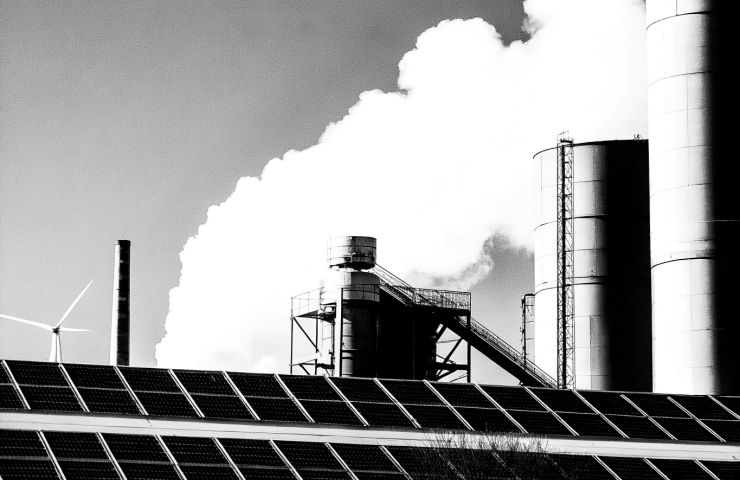
Molins, a historic player in Spain’s cement industry, is kicking off a transformative new phase—this time fueled by green hydrogen. After clearing the final regulatory hurdle, the company is now ready to fire up an auxiliary hydrogen production plant at its site in Sant Vicenç dels Horts, just outside Barcelona. It's a move that could reshape the map for industrial decarbonization in southern Europe.
Swapping Fossil Fuels for Hydrogen Heat
Here’s the story in a nutshell: beginning mid-2025, Molins plans to start using green hydrogen—produced right on site through electrolysis powered by renewable energy—to partially replace petcoke in its kiln’s fuel mix. Petcoke, for those unfamiliar, is a tough, carbon-heavy fossil fuel still common in cement production. By injecting hydrogen instead, the aim is simple but powerful: cut CO₂ emissions and give this legacy sector a cleaner, smarter way forward.
The numbers tell a compelling story. This switch alone is expected to eliminate about 3,600 tonnes of CO₂ each year. That might not sound like headline-breaking news at first glance—but when you remember that cement is responsible for roughly 7% of global CO₂ emissions, every tonne counts.
Yes, Hydrogen from Subway Runoff
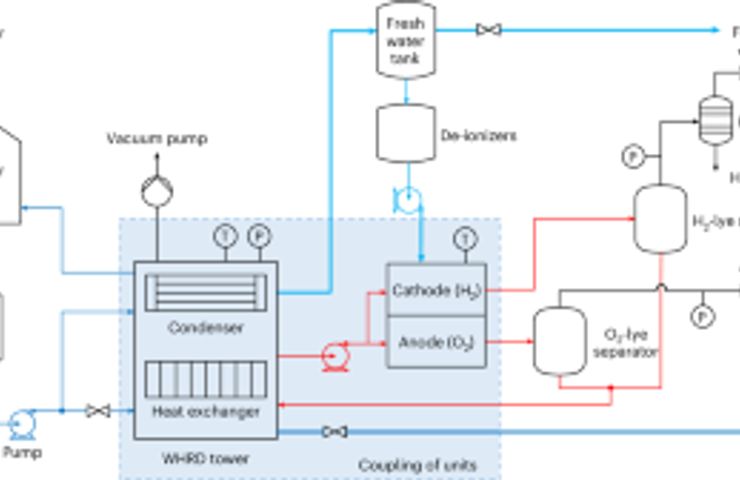
Here’s where things get really interesting. The water used in the electrolysis process? It’s not coming from fresh groundwater reserves—it’s actually collected runoff from Barcelona’s subway system. After being cleaned up through reverse osmosis, it’s split into hydrogen and oxygen using green electricity. This smart reuse of resources not only keeps the hydrogen production process sustainable—it hints at something even bigger: a more circular, locally powered industrial future.
Why Is Molins Doing This Now?
Molins isn’t jumping on the climate bandwagon overnight. Since its founding in 1928, the company has steadily shifted toward more sustainable practices. In fact, as of 2021, it's already replaced over half of its fossil fuel use at this very plant. But hydrogen is something else entirely—it’s more technical, generally pricier, and far from a drop-in replacement.
So what’s behind the bold move? It comes down to three main drivers: increasing pressure from EU climate policies, the company's sights set on its 2030 Sustainability Roadmap, and a growing demand in the market for low-carbon construction materials. Whether you’re in Santiago or Stockholm, green building standards are going up, and Molins is positioning itself as not just a Spanish leader—but a European benchmark.
One Plant, Bigger Ripple Effects?
Sant Vicenç dels Horts might seem like just another industrial zone, but in this case, it’s become a proving ground for real climate innovation. Backed by the regional government—the Generalitat de Catalunya—this project is showing how real change happens when local policy and private-sector ambition sync up.
And beyond just lower emissions, this trial could generate the confidence and data needed to scale hydrogen adoption across the continent. In short, if it works here, it could work in hundreds of other places. That alone makes it more than just a green experiment—it’s a signpost.
Cement Needs a Modern Makeover
Let’s be honest—cement is everywhere. It’s the backbone of our cities, bridges, homes, even clean energy infrastructure. But producing it? That’s a carbon monster, thanks to high-heat kilns and fossil fuels like petcoke. That’s why this hydrogen pivot feels so significant. It’s a long-overdue upgrade to a process that's barely changed in over a century.
Molins isn’t talking about a theoretical fix here—they’re doing the hard work of applying sustainable energy to one of the world’s dirtiest industries. And in doing so, they could help transform how we build our world.
Let’s Not Pretend It’s Easy
No rose-colored glasses here—hydrogen production isn’t without its headaches. It’s still expensive, and figuring out how to reliably burn it in cement kilns is an engineering challenge of its own. Plus, shifting away from petcoke isn’t necessarily great news for those who’ve made a business or career out of the old system.
But with challenges come real opportunities: better air quality, innovative tech leadership, and maybe even faster permitting processes down the line if your environmental footprint shrinks. Don’t underestimate how motivating that can be—for companies and regulators alike.
A Local Project with Continental Potential
What Molins is trying to pull off could be a game-changer—not just for Spain, but for Europe’s broader cement landscape. If they can show that renewable hydrogen works not just in theory, but in live industrial conditions, then the road to widespread adoption starts looking a lot more realistic.
It’s not all mapped out yet—scaling this means better renewables infrastructure, more favorable energy policies, and smart cross-border coordination. But for now, this project is where ambition meets action. It’s a rare, clear example of how you move from climate talk to climate impact.
Because sometimes, real change doesn’t start with a bang—it starts with a quiet test in a cement kiln outside Barcelona. And that might just be the spark we need.