Green Hydrogen News: Peru Proposes Three-Year Mining and Energy Plan with Japan
Peru’s Ministry of Energy and Mines has proposed a three-year cooperation plan with Japan’s METI and JOGMEC to boost mining investments and pilot green hydrogen and distributed generation projects.
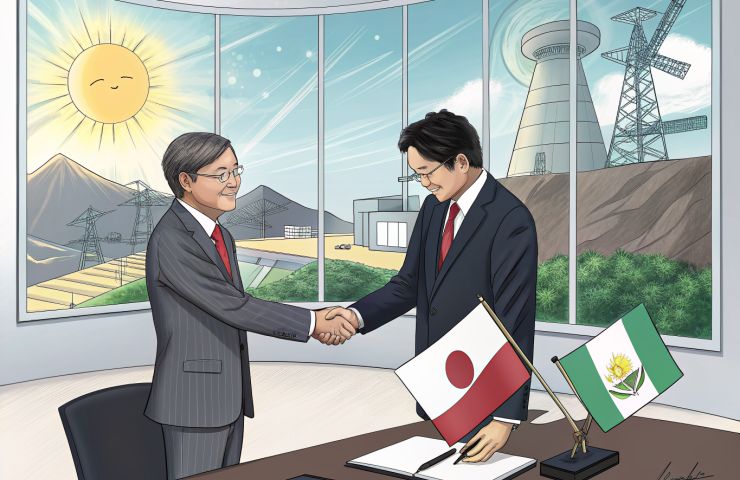
Peru’s Ministry of Energy and Mines (MINEM) has put forward a three-year plan to Japan aimed at ramping up mining investments and kickstarting pilot projects in green hydrogen and distributed generation. This initiative is part of a larger bilateral roadmap and builds on an existing memorandum of cooperation with Japan’s Ministry of Economy, Trade and Industry (METI), supported by technical expertise from JOGMEC. Officials highlight that this framework intends to turn diplomatic talks into tangible projects on Peruvian soil.
What’s fueling the Peru-Japan cooperation push?
The proposal maps out a comprehensive agenda aimed at attracting foreign capital, leveraging advanced technologies, and reinforcing supply chains for vital minerals. At its heart, there are nine operational actions that address:
- Drawing in direct investment for key mining projects that utilize Peru’s rich reserves of copper, lithium, and other minerals crucial for low-carbon technologies.
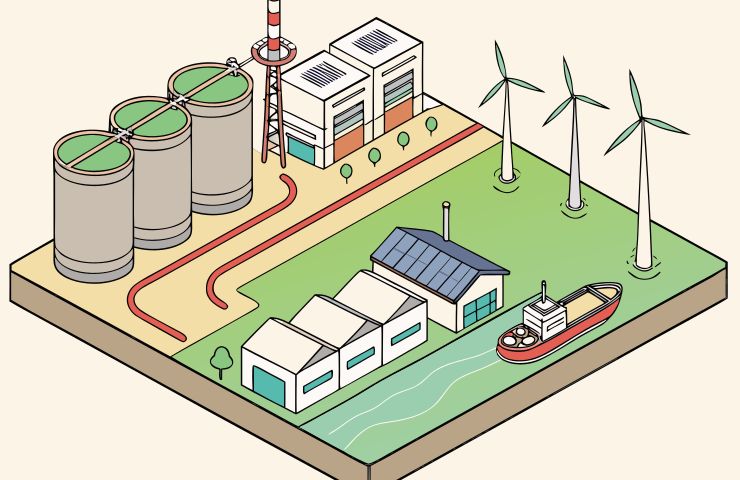
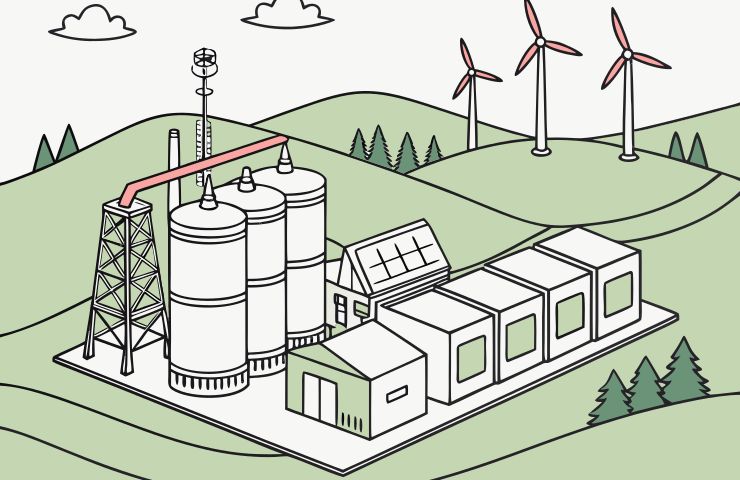
- Fast-tracking the development of green hydrogen plants that harness renewable electricity to produce clean hydrogen through electrolysis.
- Implementing distributed generation systems to bring energy closer to industrial and rural users, slashing transmission losses and bolstering energy resilience.
- Modernizing mining operations with cutting-edge technology, from remote sensing tools for environmental oversight to innovative techniques for removing impurities from copper ores.
This three-year plan forms part of a larger vision laid out in the 2024–2033 roadmap, which commits both nations to annual reviews, investment discussions, and technical exchanges. By outlining specific actions and timelines, Peru aims to transition from lofty ideals to a clear strategy for deploying infrastructure and technology.
Ministry representatives express that the plan is crafted to align Peru’s regulations and incentives with what investors need, smoothing out permitting bottlenecks and establishing stable conditions for long-term collaboration.
The goal is to combine capital flows with technical knowledge, jumpstarting pilot projects and creating a pipeline of viable initiatives that resonate with Peru’s current legal framework and Japan’s aims for energy security.
Who are the key players?
This three-year initiative was officially proposed by Peru’s Ministerio de Energía y Minas, with Japan’s METI serving as the main counterparty. JOGMEC, Japan’s resource organization, acts as the technical partner, bringing its rich expertise in resource evaluation and project support.
Back in November 2024, MINEM and METI signed the first memorandum of cooperation focusing on energy transition, covering renewable energy, energy efficiency, low-carbon hydrogen, ammonia, and promoting investments for clean technologies. Through JOGMEC, they’ve already conducted joint studies on resource potential and market analysis in Peru’s mining zones.
This new proposal isn’t just a standalone commitment; it’s part of a strategic ten-year partnership established in a bilateral roadmap that stretches into the early 2030s.
How will technologies like green hydrogen and distributed generation fit in?
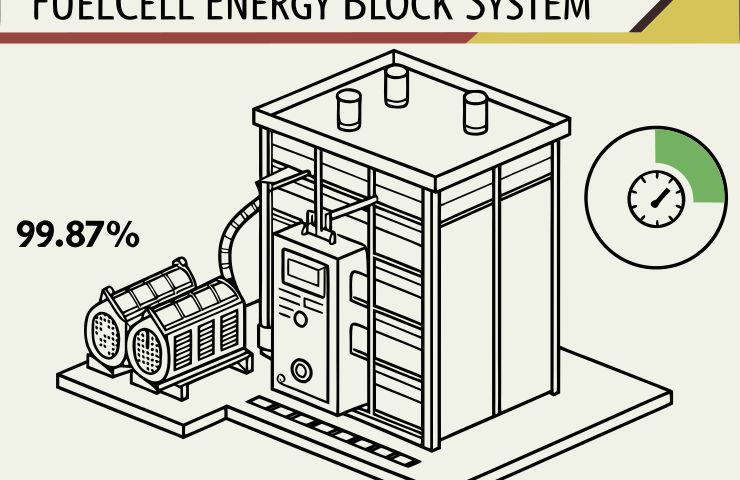
Green hydrogen is produced by splitting water molecules using energy from renewable sources like solar, wind, or geothermal. When the electricity source is carbon-free, the resultant hydrogen has minimal lifecycle emissions. Peru’s 2024 law on green hydrogen prioritizes it for industrial feedstock, transportation fuel, and potential exports. Once produced, this hydrogen can be stored, compressed, and used in fuel cells, blended into gas grids, or serve as feedstock for ammonia and e-fuels.
Distributed generation focuses on smaller, decentralized power systems located near where energy is consumed, rather than relying solely on massive central plants. This model can integrate solar panels, battery storage, and local generators to supply power to mining camps, urban districts, or remote communities, reducing losses from lengthy transmission lines and enhancing reliability. Such an approach is especially valuable in isolated mining operations or coastal areas, where extending the grid is expensive and outages can be weather-related.
On the mining front, cooperation will emphasize remote sensing technologies utilizing satellite or drone imagery for environmental monitoring, alongside refining methods that help strip impurities from copper and other ores. Experts suggest that improved impurity removal can boost metal recovery rates and lower energy consumption, enhancing both economic returns and environmental impact. By merging these technical advancements with innovative financing, Peru aims to elevate the value of its mineral exports.
What benefits could this collaboration unlock?
- Secure supply chains for critical minerals essential for electric vehicles, batteries, and renewable energy infrastructure.
- Boosted foreign direct investment and job creation within the mining, manufacturing, and energy sectors.
- Reduced greenhouse gas emissions by substituting fossil fuels with clean hydrogen and local renewable sources.
- Improved grid stability and resilience in remote regions and industrial hubs.
- Transfer of leading-edge mining and energy technologies, enhancing Peru’s domestic expertise.
- Strengthened regional development by investing in local supply chains and services.
- Data collection from pilot projects to inform national regulations and standards.
The Peruvian government has already established a national law designating green hydrogen as a public interest activity, empowering MINEM to set technical standards and incentives. However, detailed regulations and certification schemes are still in the works. Initial pilots will also test procedures around water sourcing and wastewater management, which are crucial for both hydrogen plants and mining operations. The data collected on water usage, land impact, and community effects will be vital for finalizing regulations.
Japanese companies are also exploring how to integrate Peruvian renewable power into electrolyzer design, aiming to cut production costs while ensuring that hydrogen output meets strict quality and environmental standards. For Japan, partnering with Peru is key to securing reliable sources of copper, lithium, and other minerals needed for a low-carbon future. It also aligns with Tokyo’s strategy to diversify imports of raw materials while backing global decarbonization efforts.
Looking ahead: what comes next?
Moving forward, negotiations around project terms, pilot site selections, and financing will be the focus in the upcoming months. Officials plan to hold annual high-level meetings under the bilateral roadmap to assess progress, address challenges, and scale successful initiatives. Once these pilot projects are up and running, both countries will evaluate their scalability and discuss commercial partnerships that might include hydrogen exports or technology services.
Ultimately, this three-year framework could signify a pivotal moment in how Peru harnesses its natural resources and renewable energy assets to advance industrial decarbonization and sustainable growth. By swiftly moving from policy to practice, both Peru and Japan stand to gain from cleaner energy solutions, stronger supply chains, and shared technological progress.