MHI Explores India-to-Singapore Green Hydrogen and Ammonia Export Chain
Mitsubishi Heavy Industries is studying an integrated green hydrogen and ammonia export chain from India to Singapore under a METI-backed program, aiming to optimize costs and emissions across production, shipping, and delivery.
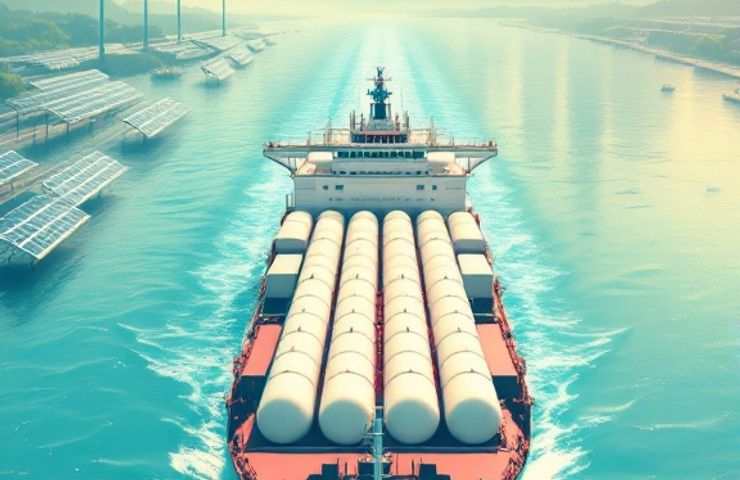
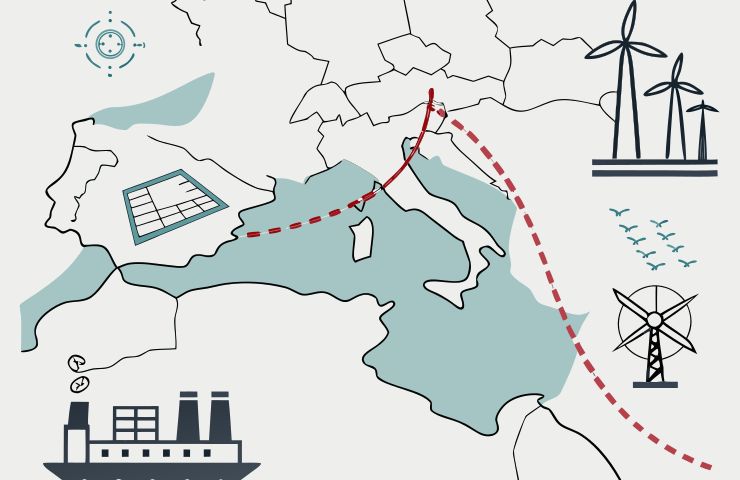
Mitsubishi Heavy Industries (MHI) has kicked off an exciting study to explore a possible export route for green hydrogen and green ammonia produced in India and shipped over to Singapore. This initiative is getting a financial boost from a Japanese government program led by the Ministry of Economy, Trade and Industry. Instead of just crunching numbers around plant costs, they’re taking a wider look at the whole process to see if this international supply chain can really deliver low-carbon options without breaking the bank. For years, players in the industry have faced high costs and tricky logistics when it comes to transporting hydrogen long distances. But MHI is determined to tackle each step—from generating hydrogen using renewables to the nitty-gritty of maritime transport.
Why India and Singapore?
India is on the fast track to becoming a renewable energy champion, thanks to its abundant solar and wind resources that can supercharge green hydrogen production at scale. Developers are eyeing various regions across the country where electricity costs are plummeting, and there’s plenty of land available for big electrolysis plants. On the flip side, Singapore is a bustling, import-dependent hub that desperately needs reliable, low-carbon energy sources for its industries, shipping, and even green data centers. By looking at a pathway that takes green energy from India’s renewable-rich spots right to Singapore’s ports, MHI is addressing a real-world challenge that might just redefine the future of hydrogen infrastructure in Asia.
The Secret Sauce: Value Chain Optimization
It's not just about whipping up hydrogen inexpensively at the production site; you’ve got to think about the costs of shipping, storage, and finally delivering that energy. The true magic of MHI’s study lies in its comprehensive systems approach. They’re analyzing every layer—from sourcing renewable energy and doing water electrolysis to handling ammonia synthesis, and even maritime transport, terminal handling, and the potential for cracking ammonia back to hydrogen once it reaches its destination. This all-encompassing view is designed to uncover the best and cheapest way to create a clean fuel pipeline over long distances.
Potential Benefits and Uncertainties
The early reports from the study are looking promising, with indications that they could achieve significant cost savings when it comes to delivering green hydrogen fuel and ammonia from India. However, the specific figures and assumptions still remain under wraps. If the numbers work out, this could give clean fuels a real leg up against traditional options in Singapore’s market. That said, there are many moving parts involved—from the pricing of renewable power to how efficiently electrolyzers work, plus shipping distances and the effectiveness of ammonia cracking—that all need more validation through real-world tests and further analysis.
Strategic Significance
This initiative is more than just a corporate project; it ties into Japan’s larger mission to secure sustainable, low-carbon energy supplies while strengthening ties with other countries. Through METI’s Global South Future-Oriented Co-Creation Program, MHI is pairing its technical savvy with government backing, reducing risks for what could evolve into a groundbreaking hydrogen export route. This project also aligns with MHI’s various other initiatives in areas like carbon capture, ammonia bunkering, and industrial decarbonization, highlighting their serious commitment to leading the charge in the energy shift.
Challenges Ahead
No supply chain is without its hurdles, and transporting hydrogen or its carriers over long distances isn't without risks. The handling of ammonia and marine shipping comes with safety and toxicity concerns that need stringent protocols. Also, emissions during transport and conversion inefficiencies could eat into the carbon savings achieved at the production side. Plus, governance issues like green certification, customs procedures, and port readiness all need to be sorted out before any pilot shipment can actually hit the water.
Tech Snapshot: Electrolysis and Ammonia Synthesis
In this study, water electrolysis powered by renewables breaks water into hydrogen and oxygen, creating the essential feedstock. That hydrogen then joins forces with nitrogen in what’s known as ammonia synthesis—usually through the Haber-Bosch process—to create green ammonia. This method not only makes for denser storage but also simplifies shipping. Once it arrives, ammonia can be used directly as a fuel source or converted back to hydrogen for uses like fuel cells. MHI's analysis weighs the pros and cons of shipping hydrogen directly versus going the ammonia route, seeking that sweet spot where cost, emissions, and operational safety harmoniously align.
Environmental Impact Considerations
While both green hydrogen and ammonia aim for lower CO₂ emissions, taking a comprehensive life-cycle view is crucial. The study looks at the emissions profile of renewable energy sources, the utilization rates of plants, and possible methane leakages in local grids. Additionally, the marine fuel consumption by tankers and energy losses during ammonia conversion might offset some of the climate advantages if not carefully managed. By checking out various scenarios, MHI’s model wants to spotlight the point where the overall carbon footprint is kept minimal from production to consumption.
Market Outlook and Regional Competition
Asia's budding hydrogen economy is attracting attention from producers in places like Australia, the Middle East, and other parts of South Asia. MHI’s concept of shipping hydrogen from India to Singapore is in the mix, so cost and reliability will be key players in the game. Singapore’s close proximity to major shipping lanes makes it a prime test case, but neighboring markets like Japan, South Korea, and industrial hubs in Southeast Asia could soon follow if the numbers look good. Early wins in this pilot corridor could ignite a wave of investment and standardization in hydrogen logistics.
Policy and Certification Framework
For the global hydrogen trade to really kick off, we need some clear-cut rules about what qualifies as green. MHI’s efforts align with Japan’s guidance on renewable energy attribution, but the international landscape is still figuring out certification schemes—often referred to as hydrogen passports. Customs authorities, fuel regulators, and maritime safety agencies need to come together on standards for tracking, labeling, and managing green ammonia shipments. This framework is just as vital as the engineering plans, because certified low-carbon cargoes will earn preferential tariffs, funding perks, and off-take agreements.
Next Steps for Deployment
Right now, MHI’s study is in the modeling phase, and we haven’t seen any specifics about collaborators, particular Indian sites, or timelines yet. The next practical steps include fine-tuning site selections, conducting front-end engineering and design (FEED) work, and negotiating partnerships and agreements for off-take. If everything aligns just right, we could see some test shipments in a few years, setting the stage for larger commercial routes that blend expertise in green hydrogen production with offshore logistics.
Built for the Future
There's a tangible solution brewing here—an integrated export chain that could revolutionize cross-border energy trade. If the projected cost reductions come to fruition, this route could serve as a model for other regions rich in renewables and those hungry for low-carbon imports around the world. As MHI and its partners move ahead, the bottom line is crystal clear: optimizing value chains for hydrogen and ammonia is crucial for a scalable, sustainable energy future.