Green Hydrogen News: Chile’s Action Plan Kicks Industry into High Gear
Chile’s Green Hydrogen Action Plan 2023-2030 outlines 81 measures to build a complete green hydrogen ecosystem with clear roles, regional roadmaps and infrastructure upgrades.
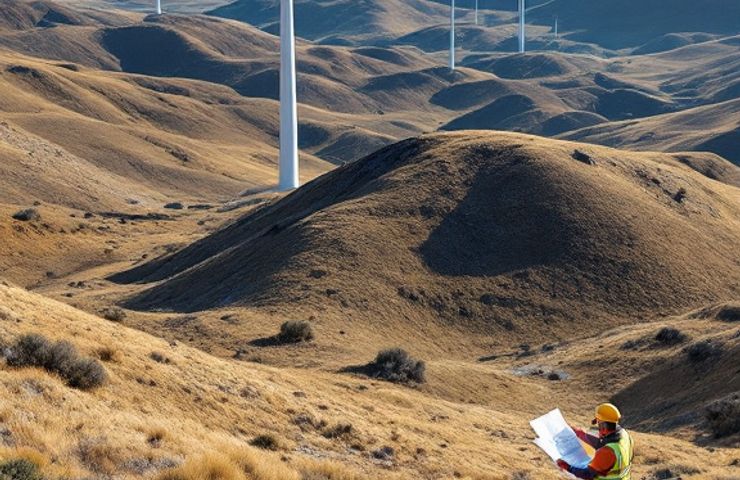
Chile’s Ministry of Energy has just rolled out its Green Hydrogen Action Plan 2023-2030. This isn’t just any old plan; it’s a comprehensive blueprint aimed at transforming Chile into a powerhouse for clean hydrogen production and its value chains. With 81 measures spanning 18 lines of action, this roadmap is all about harnessing the country’s rich solar and wind resources to create a booming green hydrogen sector that promotes local decarbonization, boosts regional development, and gets the country export-ready.
The Secret Sauce: A Holistic Roadmap
Instead of seeing hydrogen as just another product, this plan approaches it as part of a larger industrial ecosystem. Each key player has a distinct role: the Ministry of Energy takes the lead on strategic coordination, while CORFO dives into financing solutions and credit guarantees. The Ministry of National Assets handles land allocation through its “Ventana al Futuro” program, and the Ministry of Environment works with the Environmental Assessment Service (SEA) on setting baselines, ensuring permitting clarity, and maintaining sustainability standards. This structured governance shows a serious commitment to transitioning energies from policy-making right down to execution.
Real-World Solutions: From Pilots to Scale
What’s especially exciting about this plan is the balance between launching pilot projects and scaling them up. ENAP, Chile's national oil company, is gearing up to put together a green hydrogen plant in Magallanes. They're not just stopping at hydrogen; they'll be injecting it into existing gas networks and even exploring synthetic fuels. Meanwhile, CORFO is gearing up with a multi-billion-dollar financing plan to encourage private investments, backed by multilateral banks. Plus, there are R&D incentives on deck to help push innovative test projects in places like Antofagasta and Biobío, turning fresh ideas into real industries.
Regional Focus: Making the Most of Solar, Wind, and Ports
Chile’s action plan doesn’t just have a one-size-fits-all approach; it outlines regional strategies for four key zones:
How It Works: Key Technologies
The backbone of this plan includes some pretty cool technologies:
The Real Kicker: Tackling Grid Constraints
Chile’s renewable energy potential is phenomenal, but there are still some bumps on the road. The electricity system faces bottlenecks that could prevent power from getting from remote solar parks and wind farms to where it's needed for electrolysis. Sometimes, the energy output exceeds what the existing transmission lines can handle, leading to curtailment. Ensuring water availability is also critical and hinges on the success of new desalination projects and clearer regulations. If these challenges aren’t addressed, the costs for producing green hydrogen may not come down as hoped. Thankfully, this action plan zeroes in on those issues, focusing on needed permitting reforms, infrastructure upgrades, and water regulations to tackle these obstacles head-on.
From Ambition to Implementation
Chile first set its sights high back in 2020 with a National Green Hydrogen Strategy aiming for 5 GW of electrolysis by mid-decade and 25 GW by 2030, all while keeping production costs under $1.50 per kilo. While those ambitions turned heads, they also revealed gaps in the necessary regulations and infrastructure. This latest action plan shifts the focus from big-picture goals to actionable plans: regional roadmaps, financial incentives, secured credit lines, environmental standards, and skill-building programs in technical schools. It's all about building the groundwork first, then ramping up commercial projects and satisfying the domestic market for hard-to-decarbonize industries.
Economic and Environmental Impact
Spurring the green hydrogen sector could draw in billions of dollars in investments, create thousands of jobs, and open up new avenues for exports. In mining-heavy Antofagasta, local businesses might swap out diesel and natural gas for green hydrogen, cutting emissions while reducing operational risks. In Magallanes, pilot projects will show how blending hydrogen into existing networks can pave the way for synthetic fuels heading to international markets. Environmentally, using green hydrogen and ammonia to power heavy transport and industrial heat could dramatically lower carbon emissions in sectors that electrification can't fully touch.
Serious About Leading the Energy Transition
By integrating policy, finance, land use, and environmental care, Chile's Green Hydrogen Action Plan creates a full package of support. The government isn’t just on the sidelines; it's actively facilitating projects by providing land, financial backing, and regulatory certainty. The “Ventana al Futuro” land program, along with CORFO’s financial instruments and environmental capacity-building efforts, are all pieces working together towards real-world impact.
What’s Next?
In the coming years, everyone will be watching as tenders for electrolyzer farms, desalination facilities, and port improvements get rolling. Project developers will be looking for power purchase agreements that genuinely reflect the value of renewable generation. Meanwhile, regulations will evolve to set clear certification standards for green hydrogen. And local communities in priority areas will have their say through environmental studies and participation processes. If Chile can pull this off, it could solidify its role as a clean hydrogen leader and inspire similar initiatives across Latin America.
Bottom line: Chile’s action plan is turning green hydrogen from an ambitious goal into a structured program packed with practical solutions. With defined roles, robust financing, a keen regional focus, and a strong emphasis on overcoming grid, water, and permitting challenges, this roadmap has the potential to revolutionize the country’s energy landscape, uplift local economies, and lead to low-carbon exports. The future of clean hydrogen production and sustainable growth is set to take shape right here.