Hydrogen news
Offshore wind energy to be stored on massive green hydrogen fuel islands
The H2 will be used to store electricity generated by the wind farms but that won’t be used immediately. Offshore wind energy is already picking up, and as this trend is only expected to continue for the next quarter century, using green hydrogen and other means of storing excess energy will become highly important to ensuring reliable electricity. The offshore wind industry is expected to reach 500 gigawatts of energy generation by 2050. To be able to transmit all the energy generated by the offshore wind farms, transmission lines and onshore facilities will need to be constructed. This will…
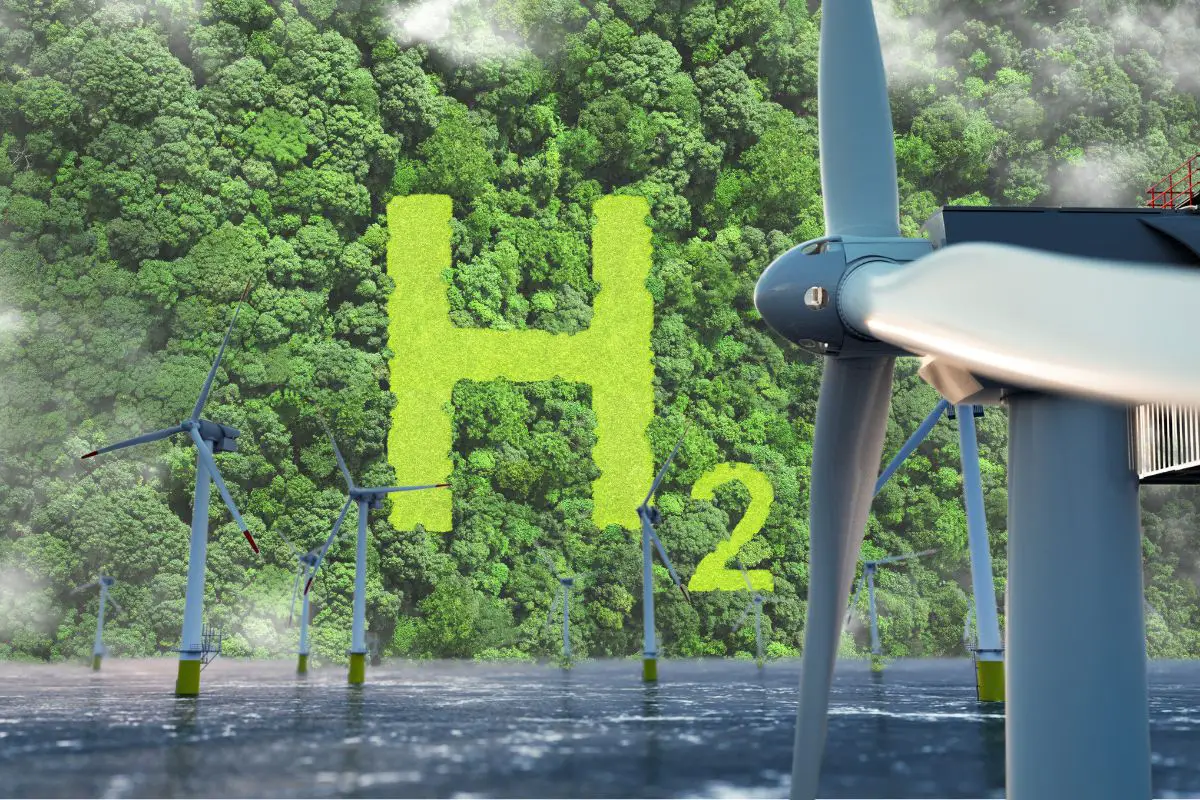
The H2 will be used to store electricity generated by the wind farms but that won’t be used immediately.
Offshore wind energy is already picking up, and as this trend is only expected to continue for the next quarter century, using green hydrogen and other means of storing excess energy will become highly important to ensuring reliable electricity.The offshore wind industry is expected to reach 500 gigawatts of energy generation by 2050.
To be able to transmit all the energy generated by the offshore wind farms, transmission lines and onshore facilities will need to be constructed. This will involve substantial land requirements and usage rights and considerable construction to accomplish. A new venture is growing based on a proposal to build a network of 10 offshore green hydrogen plants as part of an offshore network to prevent the massive need to build onshore. The venture is in the form of a startup called Copenhagen Energy Islands. Its top investor is Copenhagen Infrastructure Partners (CIP), which have a notable history of stepping into innovative new areas of renewable energy. Among its recent efforts was establishing the first offshore wind farm in Estonia, which will be built in the Baltic Sea.The green hydrogen fuel island will be substantially larger than the Estonian wind project.
Copenhagen Energy Islands expects that CIP will provide connections with European and North American investors that will make it possible to build around 10 offshore renewable energy hubs. Each hub will have a capacity of around 10 gigawatts, for a massive 100-gigawatt total.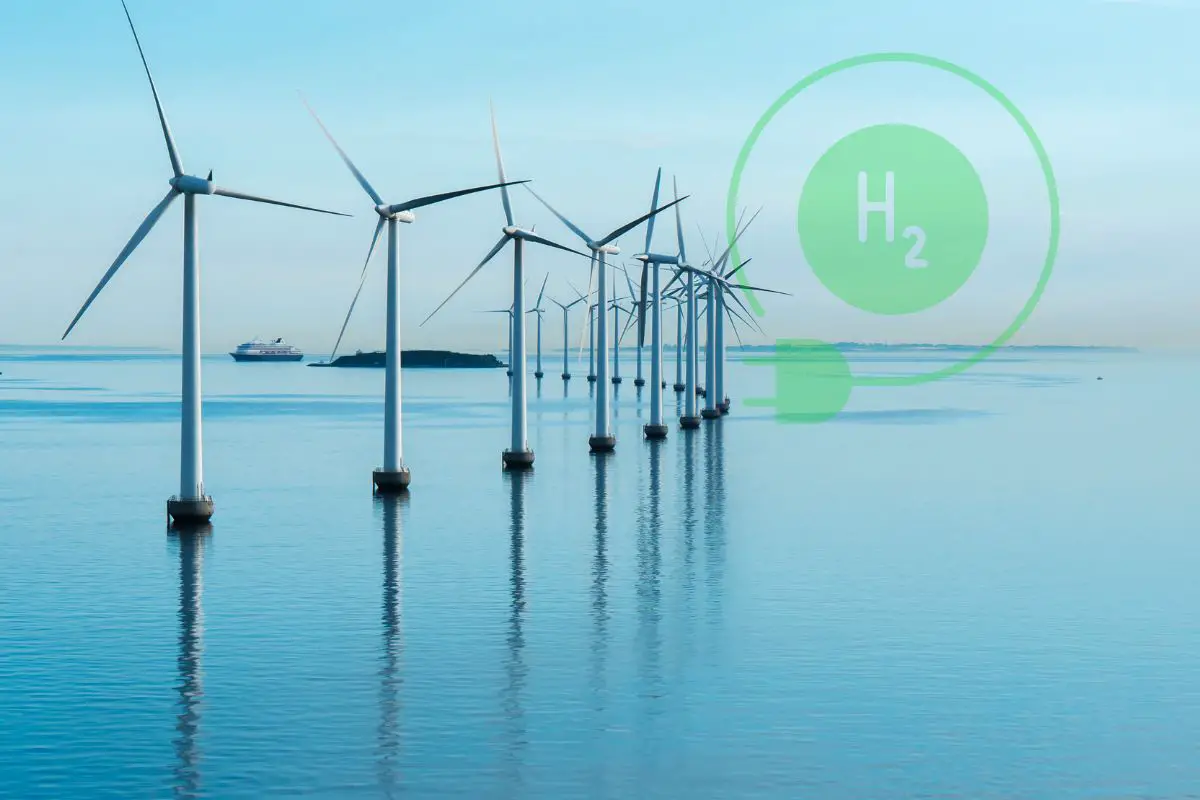 Though the specifics regarding the locations of the offshore hubs have not yet been established, partners are already looking at the Baltic Sea and North Sea as potential options. They are also considering certain South-East Asian sites.
https://youtu.be/2GC3VcB0gLY
Though the specifics regarding the locations of the offshore hubs have not yet been established, partners are already looking at the Baltic Sea and North Sea as potential options. They are also considering certain South-East Asian sites.
https://youtu.be/2GC3VcB0gLY
The importance of an island for H2 production
According to Copenhagen Energy Islands, building massive offshore wind farms over the next decade will require a highly scalable way to move the generated energy off the sea and onto the shore. Moreover, it will need to have the potential to be stored at times when energy production exceeds demand and to fulfill demand when energy production is lower. “Major economies have plans to deploy more than 500 GW of offshore wind generation capacity by 2050,” said a statement issued by Copenhagen Energy Islands about the green hydrogen fuel project. “Meeting this goal will require deployment over the next 25 years of more than 10x the offshore wind generation installed in the past 35 years.” Ready to test your knowledge on the most abundant element in the universe? Take our fun and engaging Hydrogen Quiz now! [forminator_quiz id="58712"]How was this article?
Thanks for the feedback!