Hydrogen news
Green hydrogen becomes a major investment by Gulf states
Traditional Oil producing giants are now turning their attention to clean H2 in substantial ways. The United Arab Emirates, Saudi Arabia and Oman may be known as oil producing countries, but they are all looking to green hydrogen to keep up their status as energy giants as the world turns to climate friendly fuels. The countries know that now is the time to find an alternative to crude and gas, to lock in a future. Green hydrogen has appeal as an alternative to greenhouse gas producing fossil fuels. The reason this particular form of H2 is preferable is that it not only doesn’t produce carbon…
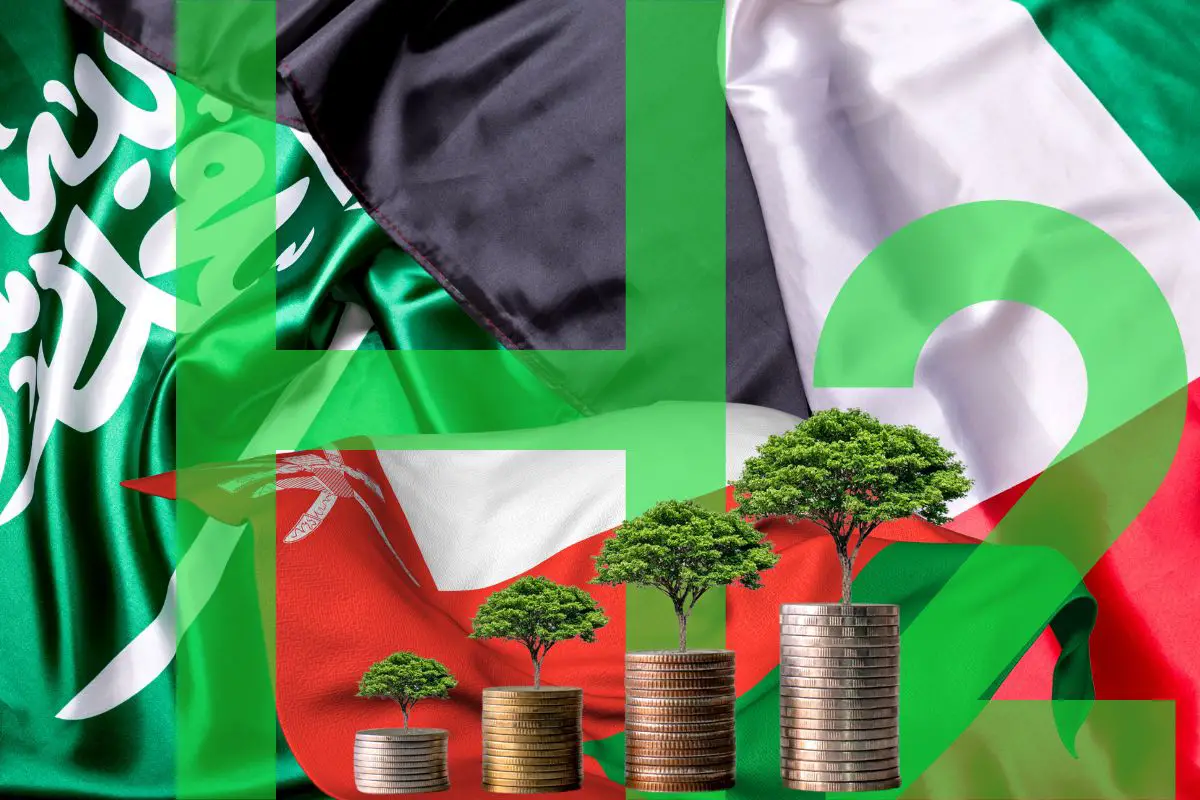
Traditional Oil producing giants are now turning their attention to clean H2 in substantial ways.
The United Arab Emirates, Saudi Arabia and Oman may be known as oil producing countries, but they are all looking to green hydrogen to keep up their status as energy giants as the world turns to climate friendly fuels.The countries know that now is the time to find an alternative to crude and gas, to lock in a future.
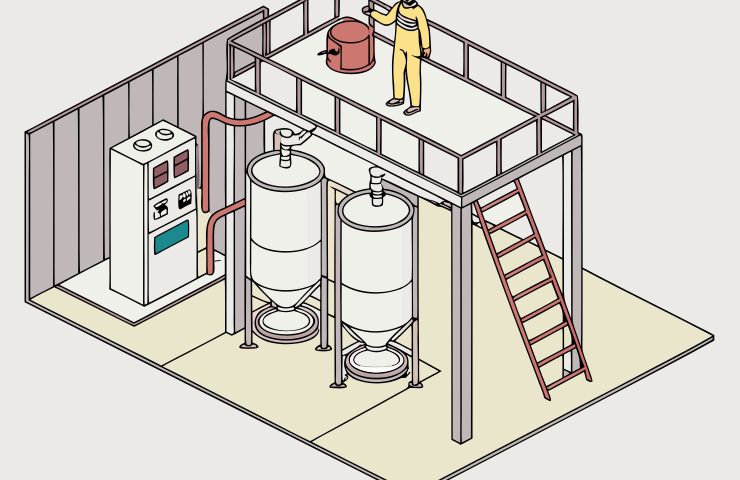
Green hydrogen has appeal as an alternative to greenhouse gas producing fossil fuels. The reason this particular form of H2 is preferable is that it not only doesn’t produce carbon emissions when it’s used, but those emissions are also not produced when it is made. Clean H2 is made using electrolysis that is powered by renewable energy such as solar or wind. The renewable H2 can then be stored under pressure in tanks until it is needed for powering anything from industry such as steel production and chemicals to transport and shipping. Oil producing countries see H2 as a long-term – or at the very least substantial transition – fuel to keep their economies strong throughout the climate crisis.United Arab Emirates, Saudi Arabia and Oman are particularly invested in green hydrogen.
Renewable H2 is far from the main method of producing the fuel at the moment. In fact, the most common methods of H2 production worldwide are typically highly polluting, using fossil fuels such as natural gas or even coal to power the processes.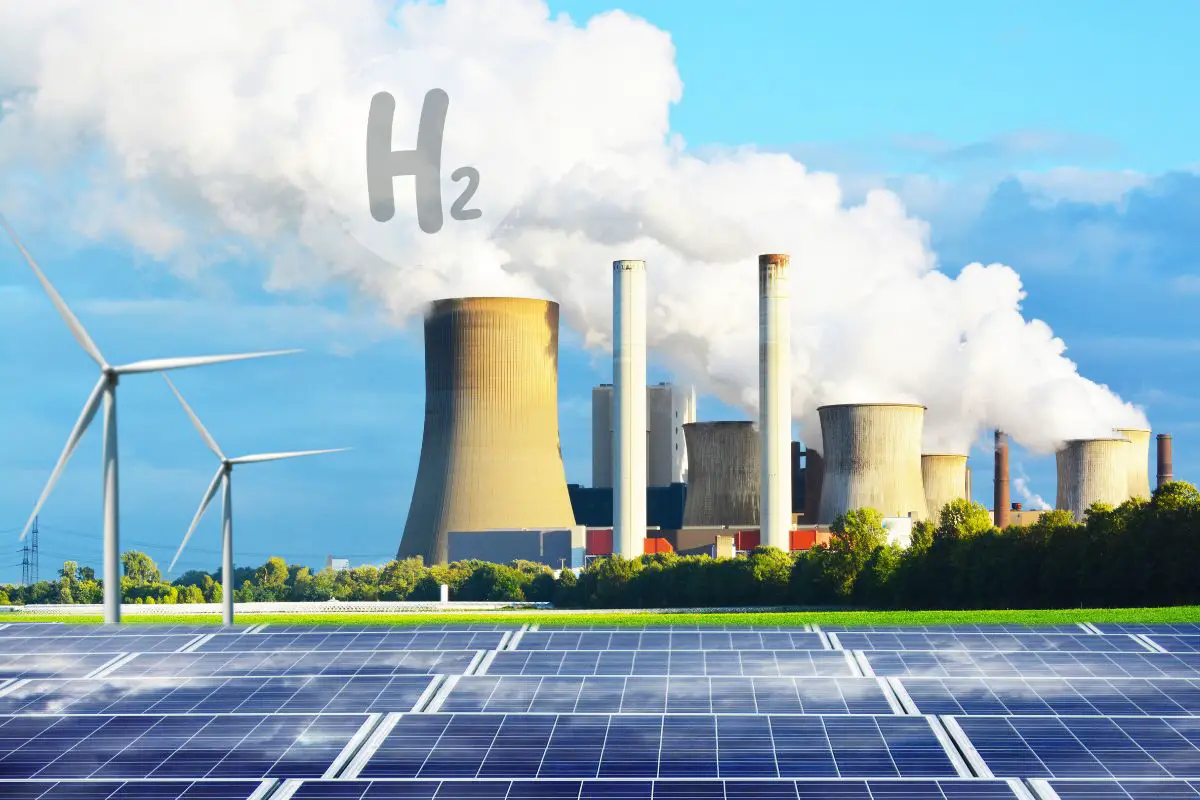 Though many see a conversion to 100 percent renewably powered processes as the ideal, the technology and equipment needed for that scale simply aren’t there yet.
Thinking ahead
It is in this area of growth that the Gulf countries see a tremendous opportunity to get in at the ground floor and become strong producers of green hydrogen fuel. Instead of doubling down on the polluting fossil fuels that increasingly appear to have a shelf life in terms of the amount that will be needed in the future, some Gulf states are taking the first steps in making sure that they will be the economies that will replace themselves as they move forward. Ready to test your knowledge on the most abundant element in the universe? Take our fun and engaging Hydrogen Quiz now! [forminator_quiz id="58712"]How was this article?
Thanks for the feedback!