Green Hydrogen Certification Portal of India Sets New Standard for Global Trade
India’s MNRE launched the GHCI portal to digitally certify green hydrogen origin and emissions, boosting domestic decarbonisation and enabling compliant exports to global markets.
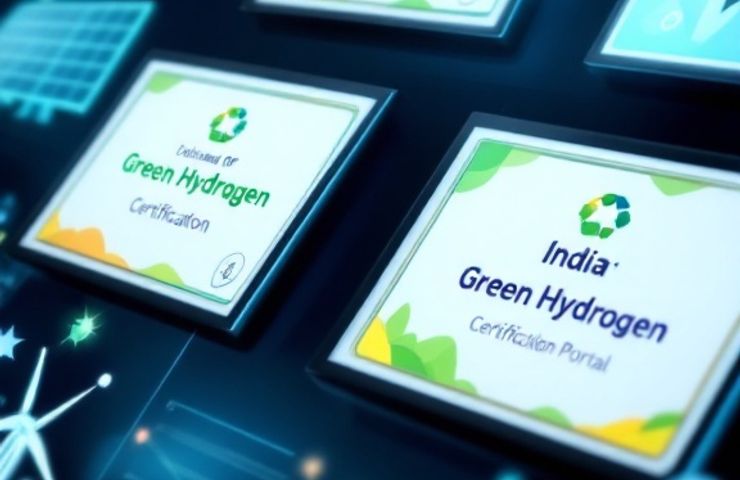
Say goodbye to uncertainty—India just opened the gates to reliable green hydrogen! The Ministry of New and Renewable Energy has rolled out the Green Hydrogen Certification Portal of India, or GHCI for short. This snazzy digital platform transforms renewable energy into verifiable proof for hydrogen and its derivatives. Hold on tight: this system has the potential to change the way hydrogen is traded, consumed, and financed all around the globe.
Why Every Molecule Needs a Badge
Let’s keep it real: “green hydrogen” doesn’t mean much if you can’t back it up. Buyers in places like Europe and Japan aren't playing around—they want electricity sourced from solar, wind, or other non-fossil options, and emissions need to be kept to a minimum. GHCI steps up to the plate with:
This isn’t just some policy tweak. It lays the groundwork for a trustworthy green hydrogen certification system that satisfies local regulations and global import requirements alike.
Under the Hood: How the Portal Works
Picture this: a straightforward online process. First up, producers register their electrolyser projects. Then, they enter metered data that shows their renewable energy input and system performance. Independent auditors verify every detail. Once everything checks out, GHCI issues a digital proof of origin that travels with each hydrogen or ammonia shipment. It’s all traceable and securely maintained by the MNRE.
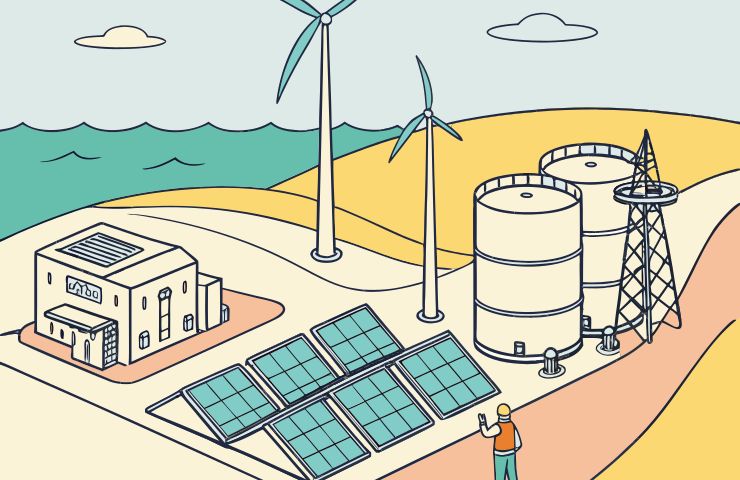
Producers often set up their electrolyser plants right next to solar and wind farms, but GHCI allows grid-connected projects as well, using renewable energy certificates and power purchase agreements. Whether it's alkaline, PEM, or the latest electrolysis tech, operators just input certified electricity data and water inputs, then check the output in the portal. It's super easy for anyone who's serious about data integrity.
Want to see what's going on at a glance? The portal's dashboard gives you everything: compliance status, emissions at the batch level, and certificate history. You can break down data by plant, state, or even end-use sector. This level of transparency is a huge leap forward for hydrogen infrastructure planning and investment decisions.
Linking States, Industries, and Exports
What makes this a real game-changer is that it connects central standards to state-level aspirations. Several states rich in renewable resources—like Gujarat, Rajasthan, and Tamil Nadu—are lining up substantial green hydrogen and green ammonia projects near solar parks and ports. GHCI credentials serve as a badge of approval for sectors like fertilizers, refineries, steel plants, and major transport hubs, so regulators and buyers know that each molecule meets rigorous origin standards.
On the flip side, there’s already a strong domestic interest in green ammonia from India’s fertilizer sector, indicating robust demand. Producers can now grab long-term contracts with the confidence that GHCI certificates align with import benchmarks, like the EU’s RFNBO rules. That’s a massive win for hydrogen production economics and international trade.
Money, Policy, and Partnerships
This portal didn’t just pop up overnight. It’s rooted in the National Green Hydrogen Mission, which fuels everything from electrolyser manufacturing to pilot projects and R&D. The MNRE is backing funding for research labs and startups focused on improving electrolyser efficiency, developing data collection tools, and conducting life-cycle analysis—fueling more innovation into the certification system.
Additionally, tech partners include accredited certification bodies trained to audit everything from energy tagging to emissions tracking. And since GHCI is all about being digital-first, it hooks directly into existing platforms like India’s Renewable Energy Certificate registry and energy exchanges, speeding up compliance and trimming costs.
A New Chapter for Clean Hydrogen News
With this digital push, India makes a bold statement in the world of hydrogen energy news. As other countries craft their own systems, GHCI positions India as a trendsetter rather than just a follower. This kind of alignment might be the key to landing lucrative export deals.
And when it comes to the environment, GHCI guarantees that hydrogen labeled as green truly delivers significant CO₂ reductions compared to its fossil counterparts. This credibility not only supports India’s net-zero goals but also builds trust in the burgeoning clean hydrogen market.
Reimagining the Supply Chain
Here's the takeaway: those massive centralized hubs and sprawling pipelines? They're becoming a thing of the past. Decentralized production paired with digital certification is the new way forward. Smaller manufacturing clusters can now use on-site electrolyzers certified through GHCI, cutting down dependence on fossil fuels and reducing scope 1 and scope 2 emissions in industries that have traditionally been tough to decarbonize.
This shift is a total game-changer for hydrogen infrastructure and financing. Banks and investors are now starting to see a clear pathway from renewable electrons to certified molecules, which can lower risk premiums and boost project financing around the world.
What’s Next?
The portal is up and running, but remember, this is just the beginning. The MNRE has plans to refine the user experience, tighten emissions thresholds over time, and even expand the system to cover new derivatives—think green methanol or sustainable aviation fuels. Plus, skill-building initiatives for states and auditors are gearing up, too.
This isn’t just about certification—it’s the springboard for a truly global green hydrogen trade. Are you ready to dive in?