Hydrogen news
Weak sales in hydrogen fuel cell cars chip away at Toyota and Hyundai push
The automakers have been standing firm behind their efforts to bring H2 to passenger vehicles. Toyota and Hyundai have been keeping up their efforts to develop, manufacture and sell hydrogen fuel cell cars, even as battery electrics take off in the passenger vehicle market. Unfortunately, weak sales continue to indicate that consumers are still wary of adopting H2 tech. In 2022, hydrogen fuel cell cars comprised only 0.02 percent of all passenger vehicle sales globally. This, according to a report recently published by Bloomberg NEF. Long-term projections regarding the potential success of an…
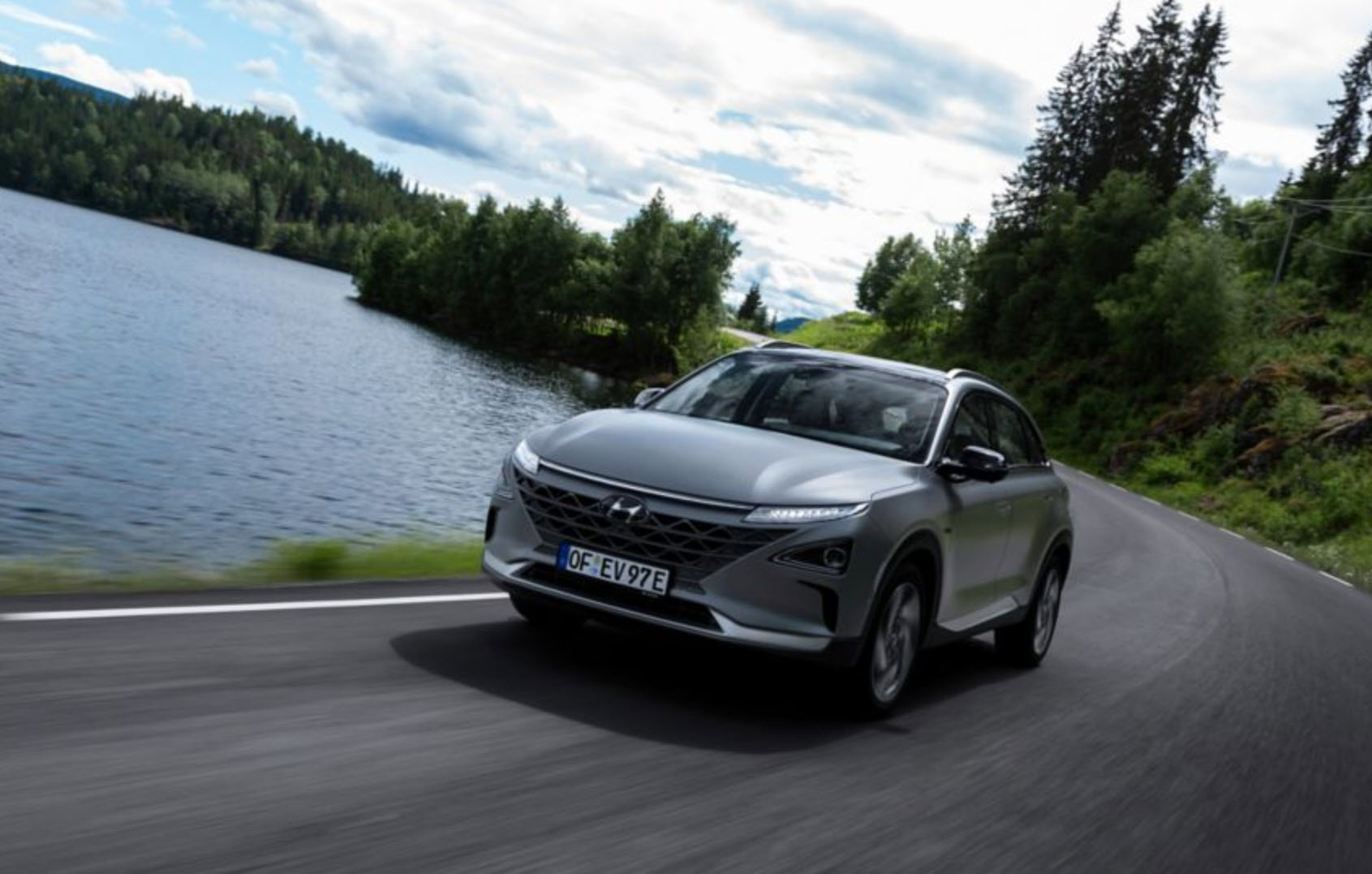
The automakers have been standing firm behind their efforts to bring H2 to passenger vehicles.
Toyota and Hyundai have been keeping up their efforts to develop, manufacture and sell hydrogen fuel cell cars, even as battery electrics take off in the passenger vehicle market.Unfortunately, weak sales continue to indicate that consumers are still wary of adopting H2 tech.
In 2022, hydrogen fuel cell cars comprised only 0.02 percent of all passenger vehicle sales globally. This, according to a report recently published by Bloomberg NEF. Long-term projections regarding the potential success of any vehicle are difficult until reaching 0.1 percent – about 80,000 vehicles, but clearly H2 has a long way to go before reaching that point. On paper, H2 has a substantial number of advantages to offer drivers. Hydrogen usually refuels faster and offers a longer range – two of the primary challenges associated with battery electric vehicles. However, without a hydrogen refueling infrastructure in place, it makes it difficult for consumers to see any real potential for owning the vehicles. After all, they can’t use them if there isn’t anywhere for them to fuel up. With a rapidly growing charging infrastructure already in place – and the potential for many homeowners to recharge their vehicles from their own driveways – it’s not difficult to see why battery electric vehicles are often viewed as the most readily available zero-emission passenger car.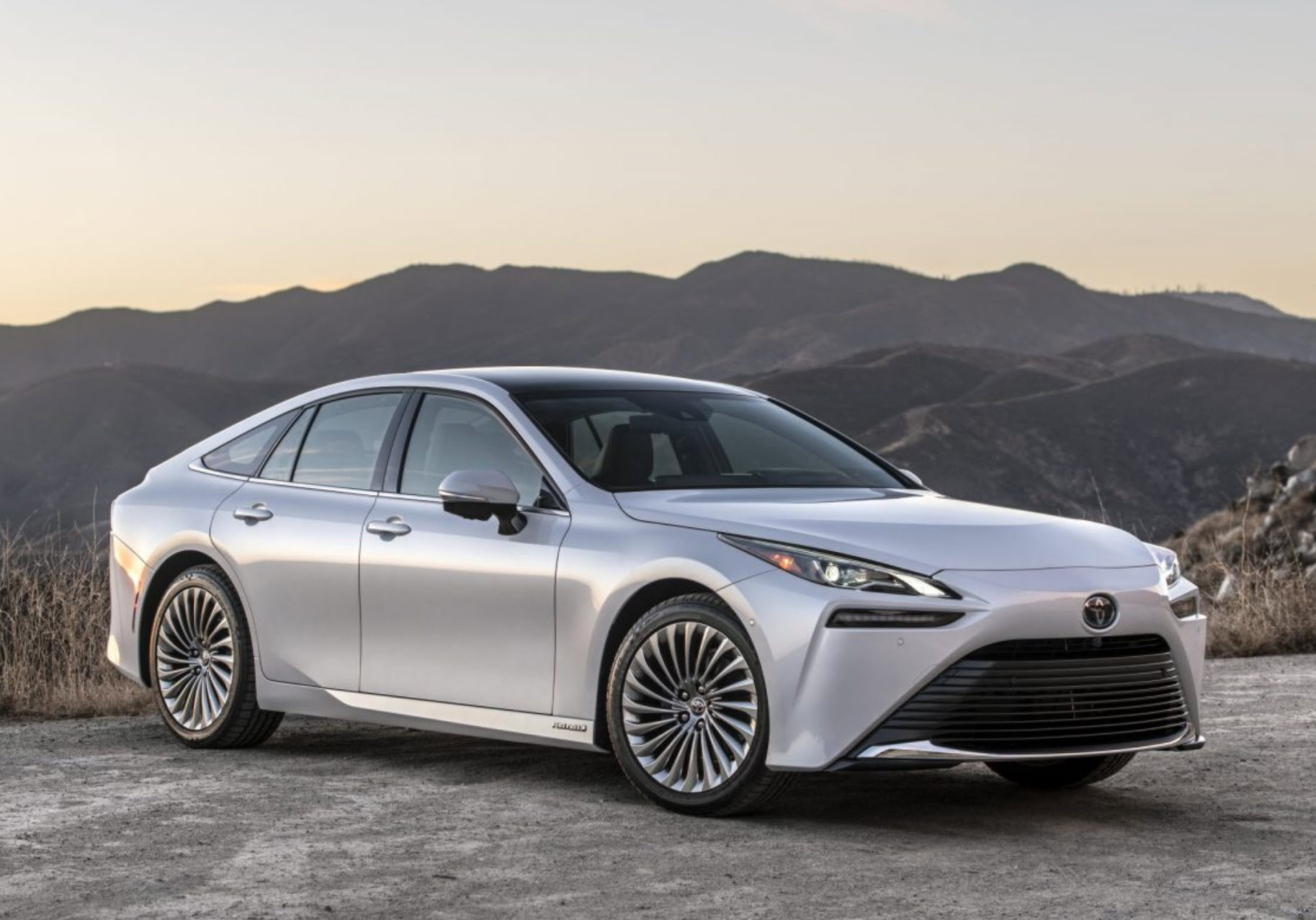
Toyota and Hyundai continue to see the possibilities in hydrogen fuel cell cars.
“We are not able to make a long-term outlook for passenger FCVs while sales are so low, show limited momentum, and are highly concentrated in a few markets and models,” said BNEF Bloomberg in the report. Even before the figures become available for long-term forecasting, Toyota and Hyundai continue to see H2 as a practical zero-emission passenger vehicle option for the future. The Toyota Mirai and the Hyundai Nexo represented nearly all H2-powered passenger vehicle sales last year, of which there were 15,391 in 2022.Falling Sales
Globally, sales of hydrogen fuel cell cars fell from 2021 to 2022. This was most noticeable in Japan, where H2 passenger vehicle sales tanked from 2,440 in 2021 to a measly 884 in 2022. In Conclusion... In conclusion, despite the firm commitment of automakers like Toyota and Hyundai to develop and promote hydrogen fuel cell cars, consumer adoption remains slow due to the lack of widespread infrastructure and the rapid growth of battery electric vehicles. While hydrogen technology offers certain advantages such as faster refueling times, smaller batteries and longer range, these benefits are overshadowed by the convenience and accessibility of electric charging networks. Although hydrogen fuel cell cars still have potential as a zero-emission alternative, they will need to overcome significant hurdles in terms of infrastructure and consumer perception before they can truly compete with their battery-powered counterparts. Until then, it is crucial for automakers to continue investing in research and development to improve hydrogen technology and work with governments and industry partners to expand the necessary infrastructure to support its growth. Only through sustained efforts can hydrogen fuel cell vehicles achieve a meaningful share of the global passenger vehicle market.How was this article?
Thanks for the feedback!