Hydrogen news
Will fuel cell cars be relevant at all in 20 years?
IDTechEx predicts that by 2044, hydrogen passenger vehicles will be a “very small portion” of the market. UK-based analyst IDTech has predicted that by 2044, hydrogen fuel cell cars will represent only about 4 percent of the total zero-emission passenger vehicles market. The same analyst predicted that a much larger proportion of zero-emission trucks will be H2 powered. In fact, while the analyst predicted that hydrogen fuel cell cars would be a “very small portion” of the car market, it also forecasted that about one fifth of zero-emission trucks would run on hydrogen. This was published in…
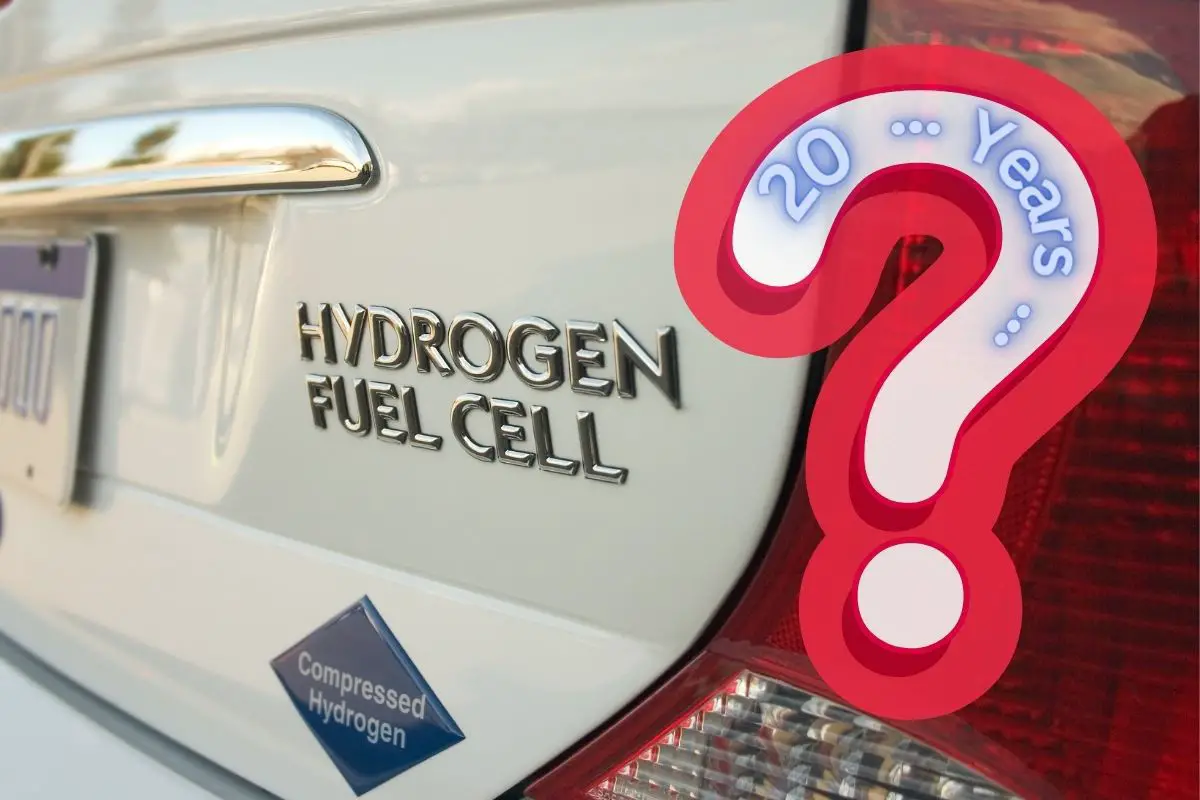
IDTechEx predicts that by 2044, hydrogen passenger vehicles will be a “very small portion” of the market.
UK-based analyst IDTech has predicted that by 2044, hydrogen fuel cell cars will represent only about 4 percent of the total zero-emission passenger vehicles market.The same analyst predicted that a much larger proportion of zero-emission trucks will be H2 powered.
In fact, while the analyst predicted that hydrogen fuel cell cars would be a “very small portion” of the car market, it also forecasted that about one fifth of zero-emission trucks would run on hydrogen. This was published in a paper titled Fuel Cell Electric Vehicles 2024-2044: Markets, Technologies, and Forecasts. The analysis also pointed to a spectrum of other smaller markets that would be using hydrogen to power vehicles, including buses and light commercial vehicles such as delivery vans.The research looked into the recent trends in the hydrogen fuel cell cars markets worldwide.
“In 2022, FCEVs represented only 0.2% of zero-emission car sales, with sales declining slightly from 2021,” said the report. “Despite the benefits of long-range and quick refueling, FCEV cars have not made anywhere near the progress of BEVs.” The report went on to identify some of the major challenges that played a role in this declining trend in the sale of fuel cell cars. “The largest factors in this struggle have been the lack of hydrogen refueling infrastructure, the cost of hydrogen, and the upfront cost of the vehicles. Any success so far has been bolstered by hefty government and OEM incentives, where the upfront cost of the car is heavily subsidised and, in some cases, the cost of fuel was covered for a period of time.”
Examples of incentives
To encourage sales, Hyundai was selling its $60,000 H2 powered Nexo in South Korea for half price. Similarly, to help place the spotlight on its hydrogen powered Mirai and encourage drivers to make a purchase, becoming an early adopter of the technology in California, Toyota was selling its $50,000 fuel cell cars for less than $18,000 in the state. Moreover, the purchase also came with 60,000 miles of free fuel. The report pointed out that the added incentive for fuel was likely an important one, as it was notably cheaper to run an electric vehicle in California than it was to fuel one with hydrogen. IDTechEx estimated that the cost of running a Tesla Model 3 per mile in California was about $0.04 per mile, whereas a Toyota Mirai would cost $0.21 per mile. “Given the greater upfront cost for FCEVs over both combustion engine vehicles and BEVs, an increasing running cost makes an FC [fuel-cell] car a hard sell for consumers,” said the report.A lack of refueling network for fuel cell cars has made it difficult for motorists to want to buy.
The report pointed specifically to the lack of meaningful refueling networks for hydrogen fuel cell cars as of last year. Though it did acknowledge that the rate of growth of the number of fueling stations was substantial in areas where they existed at all, it was hardly fast enough to be practical to a typical driver. “Another major concern is the lack of hydrogen filling stations; as of June 2023, there were approximately 1,100 stations globally,” said the report. “While this is over double what it was in 2019, it is not enough for consumers to be comfortable with refueling.” “IDTechEx does expect FCEV car sales to grow in the long term with greater general availability of hydrogen in other applications and a push from governments invested in creating a hydrogen economy, but FCEVs will remain a very small portion of the zero-emission passenger car market,” concluded the analyst. Ready to test your knowledge on the most abundant element in the universe? Take our fun and engaging Hydrogen Quiz now! [forminator_quiz id="58712"]How was this article?
Thanks for the feedback!