China Deploys 300kW Hydrogen Internal Combustion Generator to Turn Industrial Waste Into Power
China brings online its most powerful hydrogen internal combustion engine generator yet, using industrial exhaust hydrogen to produce power while slashing CO2 emissions and purification costs.
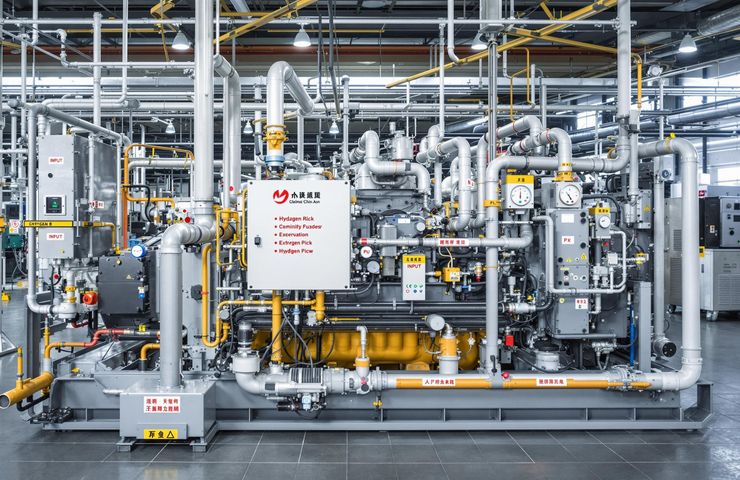
In a big step toward industrial decarbonization, China has officially flipped the switch on its most powerful hydrogen internal combustion engine generator to date. This game-changing unit takes hydrogen-rich exhaust gas—normally considered waste—and turns it straight into electricity. Launched in late June 2025 in central Hubei province, the 300-kilowatt generator skips the usual expensive gas purification process, laying the groundwork for a much more practical and scalable approach to clean energy generation across China’s massive industrial landscape.
The Team Making It Happen
This wasn’t a solo effort. Three major players came together to make it real:
- Huazhong University of Science and Technology – one of China’s leading engineering institutions, especially when it comes to clean energy innovation.
- Yuchai Power – a veteran in engine manufacturing, now steering into the clean tech space.
- ONEST-POWER – a forward-thinking company focused on renewables and hydrogen-based energy systems.
Their goal? To create a no-nonsense generator that doesn’t just work in theory—it’s out in the field, up and running, and saving costs.
Why This Matters
Here’s the thing: tons of hydrogen-rich gas gets produced during China’s industrial processes—especially in the chemical sector. But since it’s usually low-purity and tricky to handle, most of it just gets burned off or released into the air. That’s energy and opportunity going up in smoke.
This generator changes that. It taps into that so-called waste gas without having to clean it up first, cutting hydrogen purification costs by around 40%. Plus, it manages to hit an electrical efficiency of over 42% in the process. That’s not just solid engineering—it’s a huge win for both the bottom line and the environment.
If systems like this are rolled out more widely, they could help recycle as much as 4.5 million tonnes of by-product hydrogen every year. That would mean millions of tonnes of avoided CO2 emissions—which, in climate terms, is a very big deal.
On-the-Ground Performance
The first unit is up and running in a chemical industrial park in Hubei, chosen for its robust infrastructure and steady stream of hydrogen-rich exhaust. In its trial phase, the generator processed 500,000 standard cubic meters of hydrogen waste, generating 8 million kilowatt-hours of electricity. That’s enough juice to power about 7,000 households per year.
Looking ahead, if this kind of unit runs 6,000 hours annually, it’s projected to use 1.4 million cubic meters of hydrogen and shave off 1,362 tonnes of CO2 emissions. To put it in perspective, that’s roughly what 74,000 trees could absorb. And so far? No environmental or operational hiccups to speak of.
The Bigger Picture
China's push for zero-emission technology and sustainable energy has been gathering steam since the early 2020s. A big part of this mission involves smarter hydrogen production and figuring out what to do with all the by-product hydrogen coming out of the country’s countless factories.
The problem has always been cost—traditional hydrogen-powered systems need high-purity fuel. That means complex (and pricey) purification steps that just don’t make sense for industrial waste gas. This new generator cuts through that red tape by using lower-quality hydrogen right out of the pipe. Simple, effective, and potentially revolutionary.
Replication and Scale
This is much more than a one-off success. Industries across China—from petrochemicals to ammonia production—could take cues from this model. Any park or facility producing lots of hydrogen waste could plug in similar units and turn a liability into a power asset.
What makes it even more attractive is the business case: the upfront cost is lower, the tech fits into existing plant setups, and there's no need for massive storage systems or power grid overhauls. All that’s required? A hydrogen exhaust line, a grid connection, and one of these generators. That’s it.
Looking Ahead
The next steps could come fast. Municipalities might roll these out through central procurement programs. Energy companies could bake them into broader decarb projects. Even plant operators might lease them for site-level power. This system is flexible, efficient, and ready now—not ten years from now.
And yes, while this won't replace fuel cells or advanced electrolysis techniques, it fills a critical gap by recycling what's already there. It’s a smart, cost-effective way to nudge industrial heavyweights toward sustainable energy without turning their operations upside down.
Bottom line? Hydrogen waste doesn’t have to be wasted anymore. It can be power—real, usable, cleaner power.