Hydrogen news
California Hydrogen Stations: A Dream or Reality? Examining Our Progress So Far
These projects reflect a concerted effort by industry leaders to establish a robust hydrogen refueling infrastructure, crucial for the transition to clean energy transportation.
California's Hydrogen Hub: A Catalyst for the Hydrogen Economy
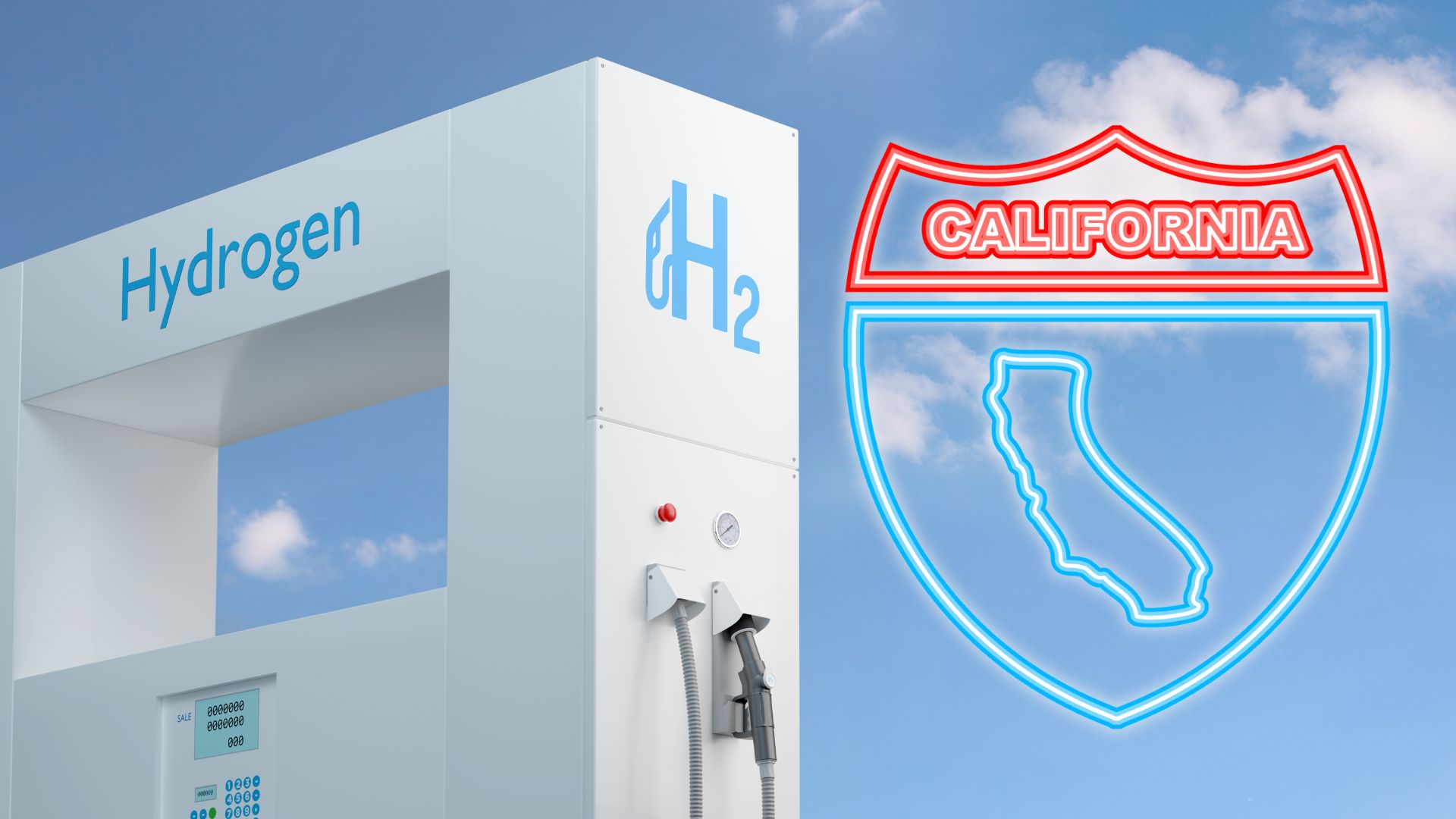
California is at the forefront of the hydrogen revolution, with significant investments and strategic alliances aimed at bolstering the hydrogen economy. The establishment of the Alliance for Renewable Clean Hydrogen Energy Systems (ARCHES) marks a pivotal moment in the state's journey towards a cleaner, more sustainable future. With a $12.6 billion agreement supported by the Department of Energy (DOE), California is set to become a leader in hydrogen fuel cell technology and infrastructure.Expanding California's Hydrogen Infrastructure: Key Projects and Technologies
Companies and Projects Involved:- Air Liquide: A hydrogen supplier and investor in FirstElement Fuel.
- Chevron: Invested in hydrogen distribution and fueling through OneH2.
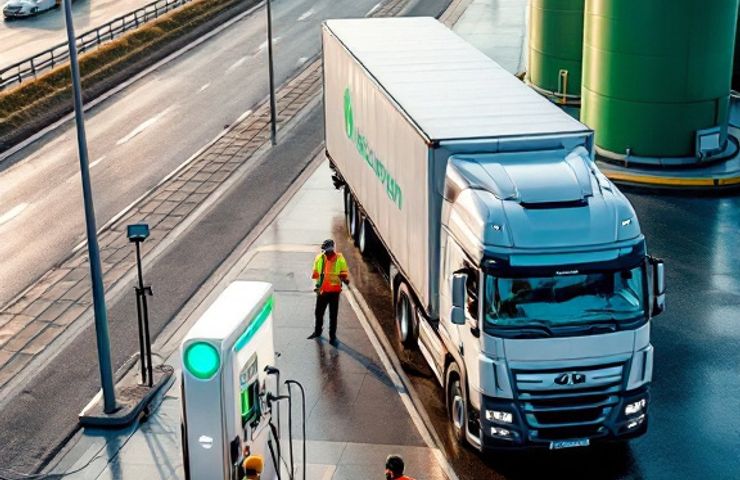
- FirstElement Fuel's Advanced Refueling Technology: Located in Oakland, California, this station uses a cryopump to convert liquid hydrogen into compressed gaseous hydrogen. Its proprietary high-flow technology allows trucks to be refueled in under 10 minutes, supporting up to 200 trucks daily. Initial project investments range from $10 million to $15 million, backed by the California Energy Commission under the NorCal Zero Project.
- Nikola's Tom's Truck Center Hydrogen Station: Located in Santa Fe Springs, Los Angeles County, California, this HYLA modular hydrogen refueling station can refuel up to 30 heavy-duty trucks daily using high-pressure (700-bar) dispensing equipment. It operates Monday through Friday from 6 a.m. to 5 p.m. and is strategically positioned along Highway 5 to minimize downtime for refueling. Future plans include expanding to a permanent hydrogen refueling station by 2026.
- Linde's Modular Hydrogen Refueling Stations: Featuring a modular design for scalability based on demand, Linde's stations utilize a sale-of-gas model where storage systems are installed at customer sites, delivering hydrogen as needed. This approach allows for quick deployment and adaptability, making them ideal for the heavy-duty mobility sector and enhancing hydrogen availability for commercial fleets.
- Shell, Toyota, Hyundai: Active members of the California Hydrogen Business Coalition.
Future Expansion and Economic Viability
- Cost Reduction Goal: Aiming to reduce green hydrogen production costs to $3/kg, reliant on government incentives such as the proposed tax credit
- Strategic Expansion: By the early 2030s, FirstElement Fuel plans to establish 15 to 20 stations in California, contributing to a wider network of approximately 200 stations needed nationwide
- Technological Developments: Ongoing improvements in nozzle designs and operational efficiency to further support the hydrogen economy
These projects reflect a concerted effort by industry leaders to establish a robust hydrogen refueling infrastructure, crucial for the transition to clean energy transportation.
The Role of Government Incentives
Government policies are crucial in driving the hydrogen economy forward. Federal and state incentives, such as grants, tax rebates, and infrastructure credits, are indispensable for developing the refueling infrastructure needed for hydrogen fuel cell electric trucks (HFCETs). The California Air Resources Board's (CARB) anticipated update to the Low-Carbon Fuel Standard includes a heavy-duty hydrogen refueling infrastructure credit, which could significantly boost the sector. Despite these positive developments, uncertainty looms with the U.S. Treasury Department's proposed $3/kg production tax credit. This credit is vital for reducing the cost of green hydrogen, a key factor in making hydrogen projects economically viable. However, the final decision, expected by the end of the year, could be influenced by political changes, such as a new president potentially less supportive of hydrogen initiatives.
Challenges and Technological Advancements
The path to widespread hydrogen adoption is not without obstacles. High production costs, limited renewable energy for electrolysis, and infrastructure gaps pose significant challenges. Electrolysis, which uses electricity to produce hydrogen gas, is central to green hydrogen production but requires substantial renewable energy resources. Technological innovations are addressing current issues, such as improving nozzle designs to enhance refueling efficiency and reliability. Companies like Linde are focusing on scalable, modular refueling stations, while FirstElement Fuel utilizes proprietary high-flow technology to reduce refueling times to under 10 minutes.Vision for the Future
Industry leaders predict that to support the U.S. truck fleet in the 2030s, approximately 200 hydrogen stations will be necessary. This vision includes strategically placing stations along major trucking routes to ensure seamless long-haul operations. By the early 2030s, California alone aims to have 15-20 stations, with nationwide efforts requiring around 40 stations to enable coast-to-coast HFCET transport. The hydrogen supply chain's expansion is crucial to meeting the projected demand. Companies like Nikola are planning extensive networks, while others like Trillium Energy Solutions are leveraging their existing infrastructure to facilitate growth. As the hydrogen economy evolves, the collaboration between government, industry, and technology providers will be vital. The convergence of policy support, technological advancement, and strategic investment holds the promise of reducing hydrogen costs and overcoming current challenges, paving the way for a cleaner, more sustainable future.How was this article?
Thanks for the feedback!