Hydrogen news
Carbon tax could make blue hydrogen cheaper than fossil fuels in 10 years, report
According to a Wartsila report, H2 made using natural gas would be less expensive than oil by 2035 A recently released Wartsila report suggests that with the support of a carbon tax, blue hydrogen will be a cheaper shipping fuel than oil by 2035. That said, the majority of green H2 shipping fuels will still be a big pricier The Finnish technology group has released a report in which they predict that blue hydrogen could become cheaper than oil as a shipping fuel, provided carbon taxation is put into place. Currently, H2-based fuels are considerably more expensive than fossil fuels for use i…
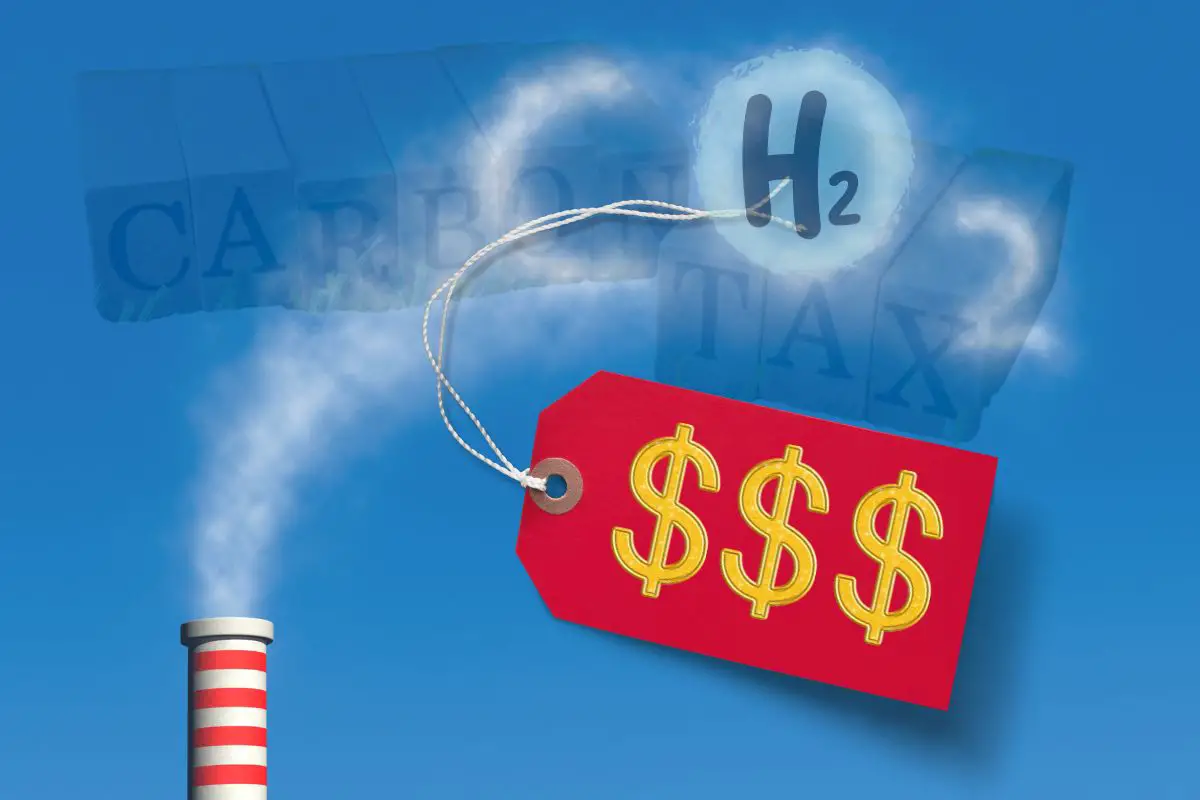
According to a Wartsila report, H2 made using natural gas would be less expensive than oil by 2035
A recently released Wartsila report suggests that with the support of a carbon tax, blue hydrogen will be a cheaper shipping fuel than oil by 2035.That said, the majority of green H2 shipping fuels will still be a big pricier
The Finnish technology group has released a report in which they predict that blue hydrogen could become cheaper than oil as a shipping fuel, provided carbon taxation is put into place. Currently, H2-based fuels are considerably more expensive than fossil fuels for use in the shipping industry. Low-carbon options typically come with a cost ranging from €400 to €700 per metric ton. In the report, Wartsila focused on “3 key elements of success” for widespread use of sustainable shipping fuels by 2050. Within that same report, it also calculated that the price of blue ammonia is currently about 2.4 times higher than that of low-sulfur fuel oil. Similarly blue hydrogen is 3.6 times more expensive, and compressed H2 is slightly over twice the cost. It should be noted that Wartsila’s calculations were based on the Eu market.Blue hydrogen could become more competitive
The EU is currently preparing for the inclusion of shipping in its Emissions Trading System (ETS). This means that shipping companies will need to either purchase extra carbon allowances on the market or will need to reduce the CO2 emissions they produce. On top of that, the FuelEU legislation was recently passed in the European Union, requiring that ships transporting through European waters must launch a greenhouse gas emission reduction transition starting next year, gradually decarbonizing until 2050. Failure to do so will result in a penalty.
Fossil fuels are getting pricier
At the same time that all these carbon reduction regulations and laws are being put into place, fossil fuels for the shipping industry are only expected to become more costly. According to the calculations in Wartsila’s report, by 2035, it will be 30 percent cheaper per ton to buy blue ammonia than it will be to purchase low-sulfur fuel oil. Similarly, compressed H2 will be almost half as expensive. Still, blue hydrogen will be 1.2 times more costly.Closing thoughts
Due to these predicted price trends, Wartsila expects that it will be incentives such as carbon taxes that will make the difference to ensuring that blue H2 will be competitive with – or even cheaper than – fossil fuels. Ready to test your knowledge on the most abundant element in the universe? Take our fun and engaging Hydrogen Quiz now! [forminator_quiz id="58712"]How was this article?
Thanks for the feedback!