Azerbaijan Sets 2035 Target for Hydrogen Production With EBRD Backing
Azerbaijan, with EBRD support, targets 2035 for launch of green hydrogen production—repositioning itself as a regional clean energy hub.
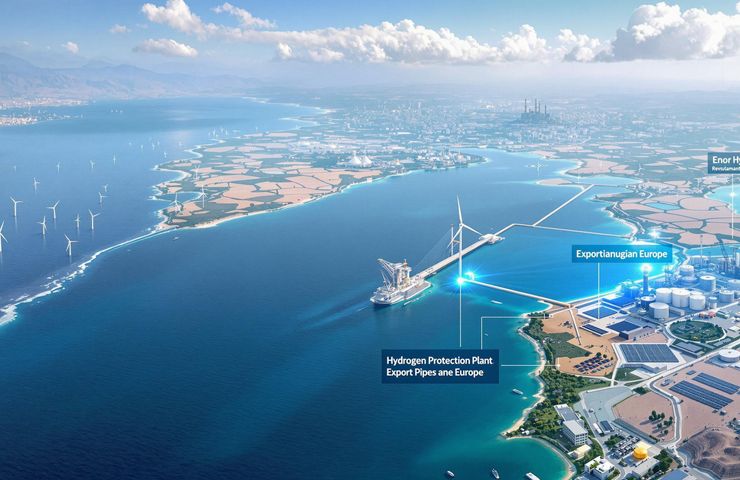
Azerbaijan—long known for its oil and gas dominance in the Caspian region—is gearing up for something completely different: a future fueled by hydrogen production. With plans to kick off commercial operations by 2035, the country has unveiled its first national hydrogen strategy, a bold move in its transition toward sustainable energy. And it's not going it alone—the European Bank for Reconstruction and Development (EBRD) is firmly in its corner.
Green Hydrogen Plan Gains Traction
The real game-changer here is green hydrogen, created through electrolysis driven entirely by Azerbaijan's rich wind and solar potential. The country’s betting big on renewables—especially in the Caspian Sea region—to lay the groundwork. As Deputy Energy Minister Orkhan Zeynalov put it, the nation’s aiming to ramp up renewable capacity by 2030, creating a solid runway for hydrogen deployment just five years later.
Strategic Edge: Infrastructure, Geography, and Policy Alignment
This isn’t some vague ambition. Azerbaijan already has an edge with energy grids and export corridors built for oil and gas—resources it now plans to repurpose for hydrogen infrastructure. With COP29 set to take place in Baku in 2024 and the country staying the course with its commitments under the Paris Agreement, momentum is clearly building. Azerbaijan is positioning itself not just as an energy supplier, but as a real player in the green economy of tomorrow.
The partnership with the EBRD goes beyond words. The bank’s providing technical know-how, shaping policy reforms, and helping attract early-stage investments—essential steps to bring private players onboard. And with Azerbaijan planning to submit a renewed Nationally Determined Contribution (NDC) by the end of 2025, what happens now will set the tone for what’s to come.
Hydrogen Infrastructure: Challenges and Transformation
No energy transition comes easy, and Azerbaijan's got its work cut out. To bring this vision to life, the country will need to take on a few major challenges:
- Reskilling workers moving out of traditional fossil fuel roles
- Upgrading outdated infrastructure to handle clean hydrogen production and exports
- Building the right regulatory framework to attract global investors and foster innovation
But if it pulls it off, Azerbaijan could do more than just transition—it could become a regional leader in hydrogen production and a cornerstone of the global sustainable energy market.
2035: The Target Date and Its Significance
The choice of 2035 as the rollout date isn’t just wishful thinking. It’s all about hitting the sweet spot. Europe’s already starting to shy away from hydrogen sources with high emissions. That puts Azerbaijan in a great position to step in and supply green hydrogen when demand is booming—setting it up as a vital energy bridge between East and West at just the right time.
As Deputy Minister Zeynalov summed it up, "We’re building not just an energy system, but a sustainable future. This is a strategic reinvention of Azerbaijan’s role in global energy markets."
Outlook
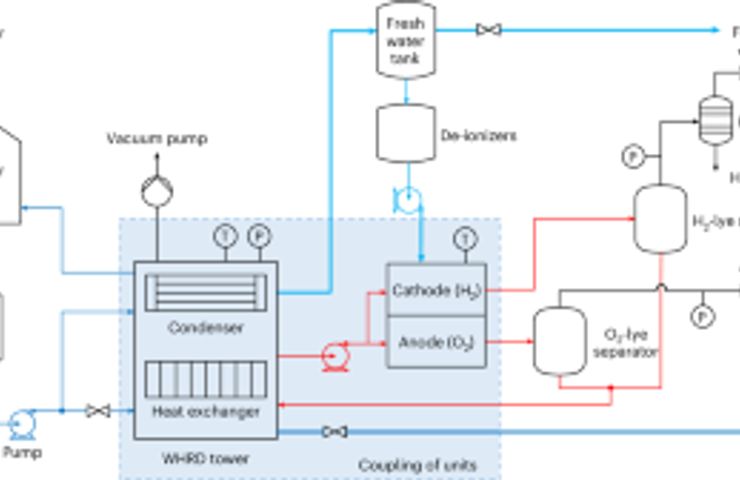
Right now, Azerbaijan has a lot going for it—strategic geography, strong institutional backing, and the political will to make it happen. What comes next? Fast and effective project rollouts, investor confidence, and clear, supportive regulation across the entire hydrogen infrastructure chain—from generating energy with electrolysis to delivering it to market.
With the race on to cut global carbon emissions, the spotlight is turning to nations ready to shift quickly. If Azerbaijan can convert its oil-age pipelines into conduits for zero-emission technology, it might just emerge as one of the unexpected leaders of the green energy revolution.