Hydrogen news
Could Mote's Innovative Process Be the Solution to Affordable Hydrogen?
The cleantech startup’s latest facility will further aid in California’s decarbonization efforts. California-based cleantech startup, Mote Inc., announced it will establish a second hydrogen from waste plant in Sacramento to create new reserves of clean energy for thermal power generation and transportation in the state. Mote specializes in transforming wood waste into pure, carbon-negative hydrogen. The company’s biomass-to-hydrogen and carbon sequestration plant integrates gasification, CO2 storage, and hydrogen production from woody wastes and residues. Gasification (the thermal conversion…
The cleantech startup’s latest facility will further aid in California’s decarbonization efforts.
California-based cleantech startup, Mote Inc., announced it will establish a second hydrogen from waste plant in Sacramento to create new reserves of clean energy for thermal power generation and transportation in the state.Mote specializes in transforming wood waste into pure, carbon-negative hydrogen.
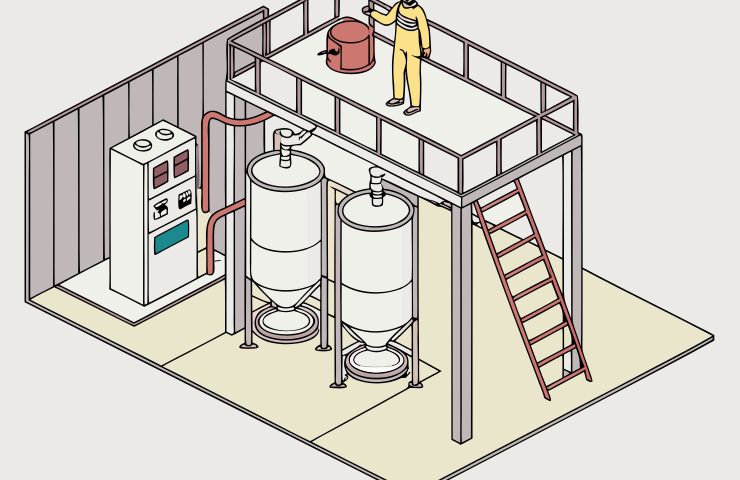
The company’s biomass-to-hydrogen and carbon sequestration plant integrates gasification, CO2 storage, and hydrogen production from woody wastes and residues. Gasification (the thermal conversion of biomass in a limited-oxygen environment) produces syngas (synthesis gas), which is mostly made up of hydrogen, carbon dioxide, and carbon monoxide. According to Mote, it is the first to integrate this unique proprietary design of gasification, CO2 storage, and hydrogen production from woody wastes and residues, which results in the most carbon removal and hydrogen per ton of biomass. When we asked Mote to describe in greater detail how its carbon-negative hydrogen from waste solution is unique, a company representative told Hydrogen Fuel News that “Mote utilizes wood waste from farms, forest management efforts, and other resources that would otherwise be open-air burned for disposal, left to decompose, or sent to a landfill.”The hydrogen from waste facility does not use “fossil inputs”.
Mote’s H2 production process is not a form of blue hydrogen. Unlike blue hydrogen, Mote’s process does not use “fossil inputs”. The hydrogen its facilities produce comes from renewable resources. [caption id="attachment_60162" align="alignright" width="399"] Dr. Joshuah Stolaroff, Mote co-founder and CEO - Image Source: Mote[/caption]
“The main ways to make hydrogen are resource-intensive, using either fossil fuels or vast amounts of land and water for electrolytic hydrogen from renewables. Mote’s process saves resources and benefits the climate by making hydrogen from waste while storing carbon.” Joshuah Stolaroff, CEO of Mote, told Hydrogen Fuel News, adding “It’s an important complement to other renewable approaches in the energy transition.”
However, Mote isn’t focused on ensuring the clean hydrogen it produces fits into a hydrogen color category. Instead, the company prefers to focus on carbon intensity (CI), which it says at – 150CO2/MJ, “is among the best of any pathway.”
Moreover, Mote told us that its “negative carbon intensity comes from carbon removal, not avoided methane emissions, which is another important distinction from other hydrogen pathways.”
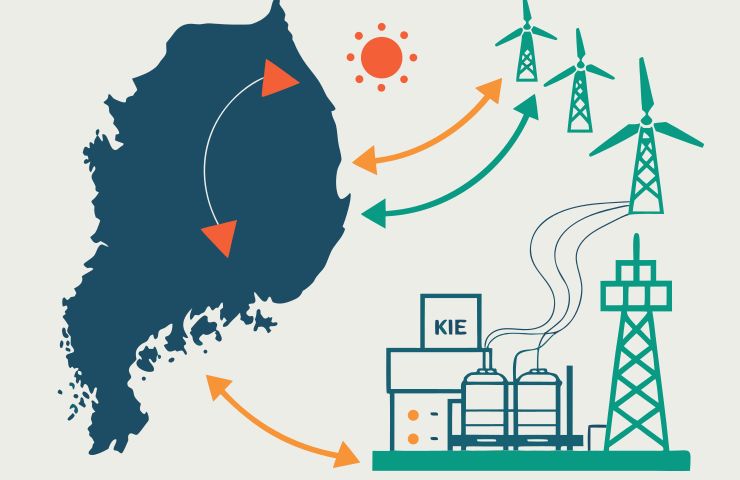
The company is also considering several renewable energy sources for both of its hydrogen from waste facilities, either via a PPA or a dedicated microgrid, as part of its commitment to achieve the lowest possible CI score.
Dr. Joshuah Stolaroff, Mote co-founder and CEO - Image Source: Mote[/caption]
“The main ways to make hydrogen are resource-intensive, using either fossil fuels or vast amounts of land and water for electrolytic hydrogen from renewables. Mote’s process saves resources and benefits the climate by making hydrogen from waste while storing carbon.” Joshuah Stolaroff, CEO of Mote, told Hydrogen Fuel News, adding “It’s an important complement to other renewable approaches in the energy transition.”
However, Mote isn’t focused on ensuring the clean hydrogen it produces fits into a hydrogen color category. Instead, the company prefers to focus on carbon intensity (CI), which it says at – 150CO2/MJ, “is among the best of any pathway.”
Moreover, Mote told us that its “negative carbon intensity comes from carbon removal, not avoided methane emissions, which is another important distinction from other hydrogen pathways.”
The company is also considering several renewable energy sources for both of its hydrogen from waste facilities, either via a PPA or a dedicated microgrid, as part of its commitment to achieve the lowest possible CI score.
Mote's competitive pricing paves the way for a more affordable hydrogen market.
When asked how Mote’s prices compare to its competitors, the company stated that its immediate objective is to achieve diesel parity to assist fleets in their efforts to transition to hydrogen vehicles. Due to the company generating hydrogen and sequestering carbon, it has the advantage of choosing from a range of incentives, such as 45V, 45Q, and LCFS, as well as potentially RINs in the future. Additionally, the company can sell carbon credits for certain scenarios where H2 is used outside the transportation industry. The goal of Mote’s hydrogen from waste solution is to create affordable hydrogen via wood waste biomass so it can sell both clean hydrogen and carbon removal at competitive prices.Once completed, Mote’s facility will produce about 21,000 MTPY of carbon-negative H2.
Mote’s hydrogen from waste project was created in partnership with the Sacramento Municipal Utility District (SMUD), and has received support from Mission Possible Project and RMI. Once completed, its second facility will generate an estimated 21,000 MTPY of carbon-negative energy and will also sequester more than 450,000 tons of CO2 per year, which is about equal to th CO2 produced by more than 100,000+ cars annually. Ready to test your knowledge on the most abundant element in the universe? Take our fun and engaging Hydrogen Quiz now! [forminator_quiz id="58712"]How was this article?
Thanks for the feedback!