ABS and Pusan National University Partner to Advance Liquid Hydrogen Carrier Technology
ABS and Pusan University team up to build next-gen liquid hydrogen carriers, aiming to solve cryogenic transport challenges and energize South Korea’s hydrogen shipping ambitions.
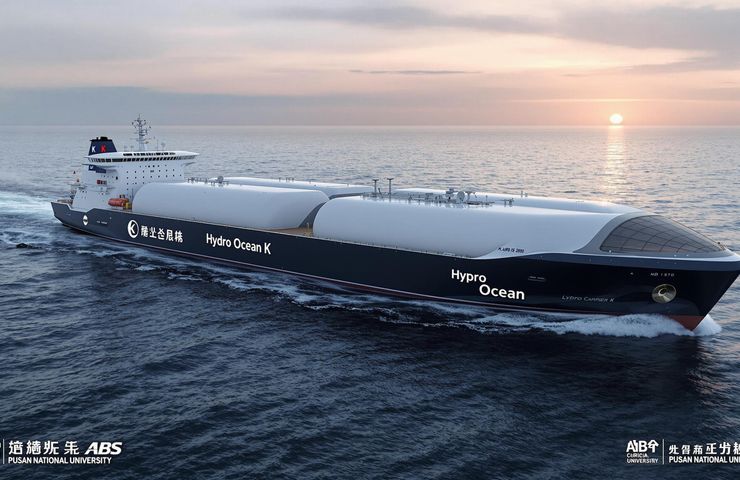
American Bureau of Shipping (ABS) has teamed up with South Korea’s Pusan National University Hydrogen Ship Technology Center in a major strategic partnership aimed at solving one of the biggest puzzles in marine decarbonization—figuring out how to safely and efficiently carry liquid hydrogen across the oceans using advanced cryogenic ship systems.
Pushing South Korea’s Hydrogen Vision Forward
Announced on May 29, 2025, the collaboration blends ABS’s world-class experience in ship classification with the university’s high-level research into hydrogen propulsion systems. This alliance fits neatly into South Korea’s long-term maritime game plan—the K-Shipbuilding Super Gap Vision 2040—which aims to make the country a front-runner in next-gen ship tech.
According to Dr. Lee Jae-Myung, who heads up the university’s hydrogen center, this deal could be a game-changer: "This partnership is a major step toward transforming how we think about ultra-cold shipping and global hydrogen transport." ABS CTO Patrick Ryan echoed the excitement, adding that it could lead to real progress in using hydrogen technology out at sea.
Engineering the Future of Hydrogen at Sea
Moving liquid hydrogen carriers into commercial reality means grappling with serious technical hurdles. We’re talking about storing hydrogen at a bone-chilling -253°C. That calls for cutting-edge cryogenic ship systems, tough-as-nails insulation, and materials that can withstand those extreme conditions. On top of storage, the collaboration is working to build high-efficiency hydrogen propulsion systems—systems that could not only power the ship but also transport clean, green cargo at the same time.
As the lead institution in the South Korean government’s big hydrogen carrier initiative, the center is also taking the wheel in developing what could become the world’s largest hydrogen ship—code-named “Hydro Ocean K”.
Game-Changing Industry Impacts
- Hydrogen logistics backbone: These liquid hydrogen carriers are critical to unlocking global trade in green hydrogen, paving the way for a whole new kind of energy economy.
- First-mover advantage: South Korea is making a power play to set the global standard in hydrogen shipping—both in design and regulation.
- Maritime decarbonization: Hydrogen has the potential to serve as both the fuel and the freight, helping ships meet tough new emissions rules while still getting the job done.
- Technological spillover: What they learn about cryogenics here could ripple into other sectors—think liquefied CO₂ carriers or ships running on ammonia.
Connecting the Dots with Other Green Fuels
This effort is part of something bigger—a wide-ranging, government-supported push that’s also exploring other clean shipping options like ammonia and electric propulsion. The idea is to future-proof South Korea's shipbuilding industry for whatever direction the global energy transition takes.
Expert Insight: Uncharted but Promising Waters
Let’s be real—there still aren’t any full-scale liquid hydrogen carriers cruising the high seas. So this partnership is venturing into unknown territory, from both a technical and commercial standpoint. But if it works, it could literally change the map for hydrogen, opening up global trade routes and setting new standards for how clean energy moves across the planet.
The Bottom Line
This isn’t just a forward-thinking project—it’s the blueprint for something much bigger. The ABS and Pusan University partnership is laying the foundation for real-world hydrogen storage and transport infrastructure, helping turn hydrogen from a promising idea into a powerful, practical solution for global shipping and clean energy supply chains.