News
ZeroAvia to Build Hydrogen Fuel Cell Manufacturing Hub in Scotland by 2028
ZeroAvia will build a hydrogen fuel cell manufacturing hub in Scotland by 2028 to accelerate zero-emission aviation, supported by £9M from Scottish Enterprise.
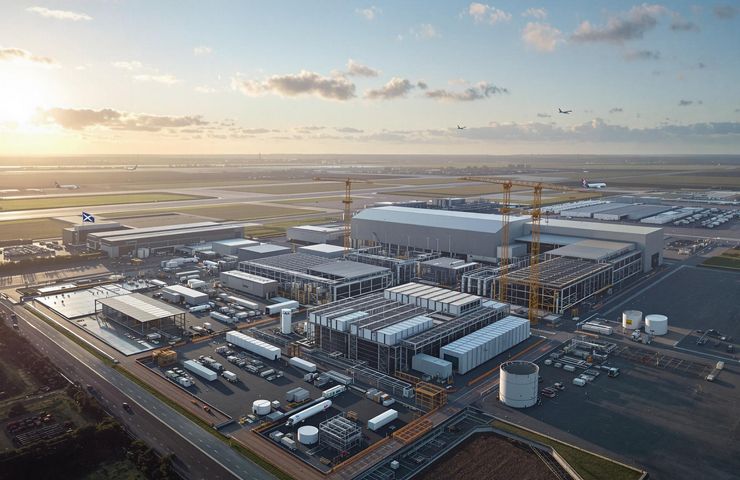
ZeroAvia Brings Hydrogen-Electric Aviation to Scotland
ZeroAvia, the California-based company leading the charge in hydrogen-electric aviation, is setting up a brand-new Hydrogen Centre of Excellence just outside Glasgow. This bold move marks a big leap in their mission to bring clean aviation technology to the skies—and it’s happening in Renfrewshire, Scotland, right in the heart of the Advanced Manufacturing Innovation District Scotland (AMIDS). The news dropped on May 21, 2025, with the facility poised to kick off operations by 2028. Set near Glasgow Airport, the new site is all about ramping up production of next-gen hydrogen fuel cells and zero-emission powertrains for aircraft.The Headlines at a Glance
- Scottish Enterprise is backing the project with a £9 million RSA grant, alongside private investment fuelled by ZeroAvia’s Series C funding round.
- The site will focus on building high-temperature PEM fuel cells and components for 2MW hydrogen-electric powertrains.
- It’s expected to generate around 350 high-skill jobs and play a key role in Scotland’s roadmap to a £2.4 billion hydrogen-driven economy by 2030.
- The development advances the UK’s ambitious Jet Zero Strategy, targeting zero-emission domestic flights by 2030.
The Tech That’s Powering the Future
At the heart of this new site are two key technologies:- High-Temperature PEM Fuel Cells: Running at 160–200°C, these compact and high-powered systems are built with phosphoric acid-doped membranes—ideal for cutting weight and boosting efficiency on regional flights.
- Hydrogen-Electric Powertrains: These systems combine liquid hydrogen tanks with streamlined fuel cells to drive electric motors. They’ll be used to power 40–80 seat aircraft, targeting real-world application in the very near future.
Why Scotland? Why Now?
ZeroAvia’s move isn’t just about location—it’s all about strategy. Scotland offers a powerful combination of assets that make this step a no-brainer:- It’s home to the UK’s third-largest aerospace cluster and is aiming for 5GW of green hydrogen production by the end of the decade.
- Being in AMIDS means close access to a strong pool of engineering talent, testing centers, and renewable energy infrastructure.
- This builds out ZeroAvia’s international footprint, creating a triad of critical facilities: fuel cells in Scotland, motors and electronics in Washington State (USA), and flight testing in England at Cotswold Airport.
What’s Driving the Momentum
This isn’t just a facility announcement—it’s part of a bigger story shaping the future of zero-emission technology in aviation.- Strong policy support: With the UK and EU tightening emissions targets, projects like this are getting the wind at their back.
- Tech is ready to fly: ZeroAvia’s already flown its 600kW ZA600 system on smaller aircraft, and now it’s scaling up.
- Commercial rollout in sight: Starting with 19-seat planes by 2025 and aiming to power up to 80-seat regional aircraft by 2027, the path to deployment is clear.
Why It Matters
There’s more at stake here than just one company expanding—this is a major piece in the puzzle of industrial decarbonization. By building out local production of hydrogen fuel cells and systems, ZeroAvia is working to break aviation’s reliance on fossil fuels and push hydrogen-electric aviation closer to scale. It also supports the UK’s push to gain energy independence in clean tech, making big moves toward a future powered by green hydrogen and zero-emission aircraft.Meet ZeroAvia
Founded by Val Miftakhov, ZeroAvia is focused solely on making hydrogen-electric propulsion systems the go-to solution for aviation. With backing from giants like Airbus and Barclays Sustainable Impact Capital, and over $250 million raised since 2019, the company is a serious heavyweight in this race. It’s also actively testing its systems as part of the UK’s Civil Aviation Authority Hydrogen Sandbox program. → Read more: AIN Online | ASDNewsHow was this article?
Thanks for the feedback!