Xodus Secures Western Australia Site for Major Green Hydrogen Project
Xodus announces strategic land acquisition at Oakajee SIA, Western Australia, aiming to develop green hydrogen and ammonia production for domestic and export markets.
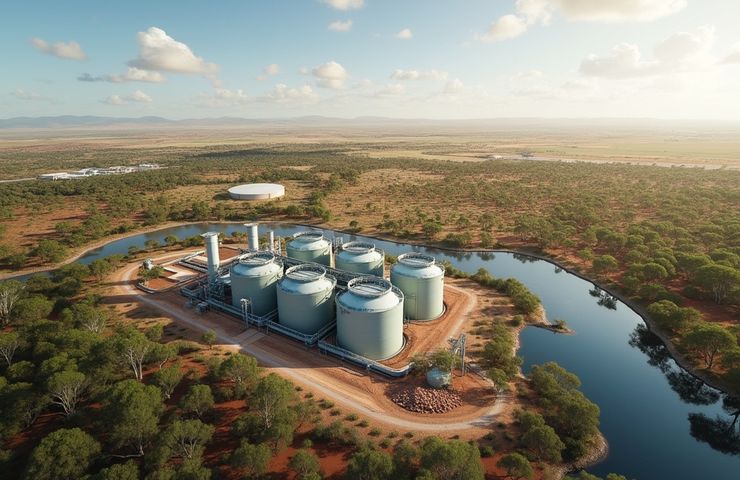
Xodus, a global energy consultancy focused on renewable solutions, has just landed a major win—securing 16,000 hectares of land in Western Australia’s Oakajee Strategic Industrial Area (SIA). Backed by the Government of Western Australia, the site is set to host a massive new green hydrogen and ammonia production facility, aiming to reshape both local industry and international energy supply chains.
Two-Stage Rollout: Local Impact First, Then Eyeing the Global Market
The vision is big—and it's rolling out in stages. In phase one, the focus is right at home: producing green hydrogen to help decarbonize Western Australia’s mining and heavy transport sectors. These industries are some of the region’s biggest polluters, so the shift could have a huge environmental payoff. Once that’s underway, phase two kicks things up a notch, scaling the project to manufacture ammonia for export, mainly to energy-hungry markets like Japan and South Korea—both on the hunt for clean, reliable fuel alternatives.
From the get-go, the plan leans on guaranteed demand through local, long-term offtake agreements, ensuring steady usage right out of the gate. Power-wise, details are still being locked in, but the nearby 180 MW Warradarge Wind Farm is expected to play a key role in fueling the entire operation. Its location couldn't be more ideal—just a stone’s throw from the new development site.
Why Oakajee? It’s All About Location—and Timing
If you’re wondering why this corner of Western Australia was chosen, it’s simple: the infrastructure's already there. Originally developed to support bulk iron ore exports, the Oakajee SIA is now being repositioned as a hub for renewable energy—and the timing couldn’t be better. Thanks to existing port facilities and road links, Xodus can significantly cut costs and hit the ground running. Plus, with Australia’s National Hydrogen Strategy eyeing global leadership in green hydrogen production by 2030, this project is lining up perfectly with the country’s big clean energy push.
How It Works: Hydrogen from Water, Ammonia for Export
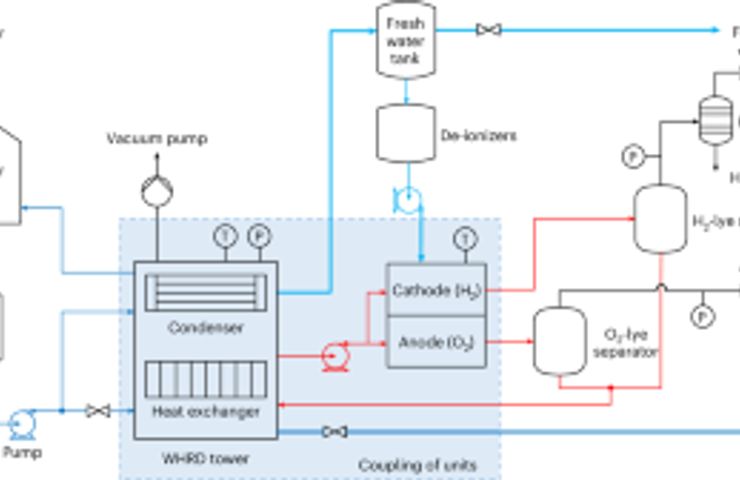
So, what’s happening on the ground? The facility will use tried-and-true electrolysis powered by renewables, splitting water into hydrogen and oxygen—with zero carbon emissions. Then comes the next step: turning that hydrogen into ammonia using the established Haber-Bosch process. This kind of ammonia is easier to ship and store, making it the logical next step for exports to overseas markets hungry for cleaner fuels.
Bridging the Gap Between Pilot Projects and Full-Scale Clean Energy
Projects like this fill a critical gap in Australia’s push toward a sustainable energy future. Until now, most hydrogen production projects have been small pilots, while at the other end of the spectrum, gigawatt-scale mega projects are still in early stages. Xodus is staking its claim in that all-important middle ground—offering something that’s both commercially viable and scalable.
“With this land in hand, Xodus now has something very tangible to show global partners—a real, investable blueprint for delivering affordable, large-scale hydrogen,” said one industry analyst. “This is the kind of initiative that moves the needle from ambition to action.”
Australia’s Next Big Export: Clean Energy
Back in the ’80s, Western Australia carved out a global name in LNG exports. Today, green hydrogen and ammonia are stepping into the spotlight—and some believe they could surpass LNG’s success. The potential’s huge. Heavy industries like mining, which alone account for around 7% of Australia’s total emissions, are tough to decarbonize. But moves like this could be the breakthrough the country needs.
Beyond emissions, there's serious economic opportunity here too. Australia's longstanding energy partnerships with Asia are ripe for evolution, with sustainable exports poised to redefine what the country sends offshore. Of course, challenges remain. The months ahead are crucial as Xodus nails down power deals and domestic buyers. These will be the real test to see if the project can truly scale—and pave the way for hydrogen and ammonia to become cornerstone technologies in Australia’s green economy.