Meta Partners with Stegra for Environmental Attribute Certificates in Green Steel Initiative
Meta Platforms, Inc. partners with Stegra for environmental attribute certificates linked to green steel production in Sweden, addressing carbon footprint in data centers.
Meta Platforms, Inc. has entered a significant multi-year agreement with Stegra, a Swedish green steel producer, to acquire environmental attribute certificates (EACs) linked to future steel production at Stegra's hydrogen-based facility in Boden, northern Sweden. The deal is aimed squarely at the carbon footprint associated with steel in Meta's supply chain, and it is particularly focused on the steel used to construct data centers.
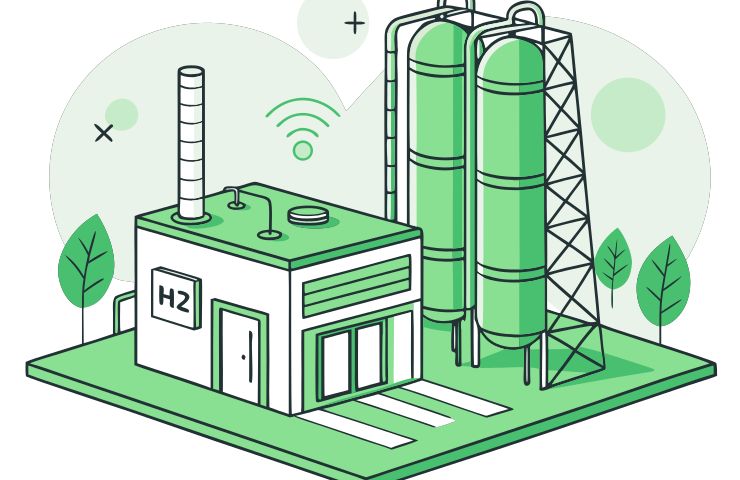
Stegra's Boden plant, which is currently under construction, will use renewable electricity and hydrogen-based processes to manufacture lower-emission steel. The company says this method is designed to cut carbon dioxide emissions substantially—potentially by up to 95%—compared to traditional blast furnace processes that heavily rely on coal.
Key Elements of the Agreement
Under the terms described, the EACs Meta is acquiring allow the company to claim the environmental benefits associated with Stegra's future steel production before the physical steel is delivered. This book-and-claim model separates the environmental attributes from the physical product, enabling buyers to access the climate benefits of lower-emission materials even when direct physical sourcing is impractical.
That separation matters for several reasons. It simplifies procurement across complex, international supply chains. It also helps firms that are building large, geographically dispersed projects — like data centers — to align material purchases with corporate sustainability targets without having to reroute heavy, long-distance steel shipments.
Despite the strategic nature of this agreement, critical details such as the contract value, certificate volume, and contract duration remain undisclosed. This lack of transparency raises questions about the financial implications for both parties and about the potential impact on Stegra’s construction financing.
Implications for Environmental and Industrial Decarbonization
The Meta–Stegra arrangement goes beyond a simple supplier-customer relationship. It highlights a broader shift in how large corporations approach material sourcing and emissions accounting. As companies attempt to decarbonize large, carbon-intensive parts of their operations, mechanisms like EACs are being positioned as one way to support industrial decarbonization where direct procurement of green materials is limited.
Supporters of such arrangements point to the way they can aggregate demand for low-emission products and provide early revenue signals to nascent producers. In this case, Stegra’s participation in the RMI Sustainable Steel Buyers Platform is part of that demand-aggregation story: the platform brings together purchasers interested in lower-emission steel and is intended to help develop a market where there is today limited supply.
Meta’s interest is tied closely to its expanding data center footprint. The company has significant capital commitments to construct and operate data centers globally, and steel is a major material input for that work. By acquiring EACs tied to low-emission steel production, Meta is attempting to address Scope 3 emissions associated with construction materials in a context where directly sourcing the physical product may be constrained by logistics, cost or availability.
For Stegra, the arrangement can enhance visibility for its hydrogen-based production approach and potentially make its business case more attractive to investors and buyers. Yet the undisclosed financial terms mean it is not possible, from the information provided, to assess how materially this agreement alters Stegra’s near-term financing needs or its balance of contracted versus spot volumes once the plant begins output.
Technical Insights and Future Outlook
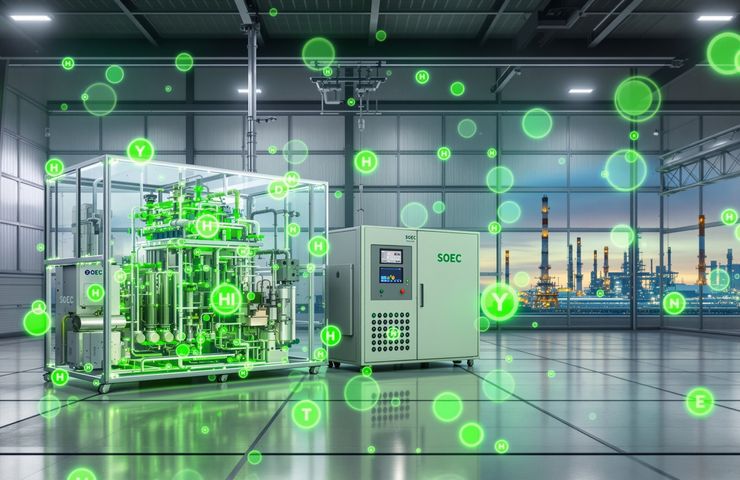
Stegra’s production technology is built around a greener route to steel. It employs green hydrogen electrolysis to produce hydrogen used in the direct reduction of iron. That combination — renewable electricity powering electrolysers, producing hydrogen for direct iron reduction — is one of the pathways industry actors have pursued to reduce the carbon intensity of steelmaking relative to coal-dependent blast furnaces.
Because the process targets the replacement of coal in key chemical roles within steelmaking, proponents say it can yield substantial emission reductions per tonne of steel produced. In this agreement, the figure cited for that reduction is potentially by up to 95% compared with conventional blast furnace routes.
By committing to purchase EACs, Meta is essentially signaling demand for the environmental attributes of such production even while the physical market for low-emission steel is still developing. That signal can help stimulate commercial interest in the emerging market for low-emission steel, which in turn could accelerate investment in similar projects elsewhere.
At the same time, significant uncertainties remain. The deal’s undisclosed commercial parameters limit outside analysis of how much demand is actually being guaranteed, over what period, and at what price. Those factors matter for project bankability, for the pace at which supply can scale, and for how the market for EACs will evolve as more buyers and producers enter the space.
Another practical question is how these book-and-claim certificates will be verified and tracked over time. For such mechanisms to contribute meaningfully to industrial decarbonization, they must be underpinned by credible accounting and verification protocols. That includes preventing double-counting or other integrity issues within the carbon accounting frameworks that companies and regulators rely on.
In the absence of full disclosure on the Meta–Stegra deal, observers will be watching the verification processes, certification standards, and reporting that accompany the EACs. Robust third-party verification and transparent registry practices are central to maintaining confidence that the environmental claims tied to such certificates reflect genuine emissions reductions at source.
In conclusion, the Meta–Stegra agreement is an example of how corporate procurement is adapting to the realities of industrial decarbonization. It pairs demand from a major technology company with an emerging, hydrogen-based steel producer, while relying on a book-and-claim mechanism to allocate environmental benefits. The arrangement could help catalyze the market for low-emission steel, but its ultimate effectiveness will depend on the credibility, transparency and scale of the EAC system tied to the Boden plant. With those governance elements in place, such agreements may play a role in supporting future green steel production and broader efforts to cut industrial emissions.