World Bank Injects $134M for Green Hydrogen Production Hub in Brazil’s Ceará
World Bank funds $134M green hydrogen hub in Ceará, Brazil, aiming to boost clean energy exports, industrial decarbonization, and regional development.
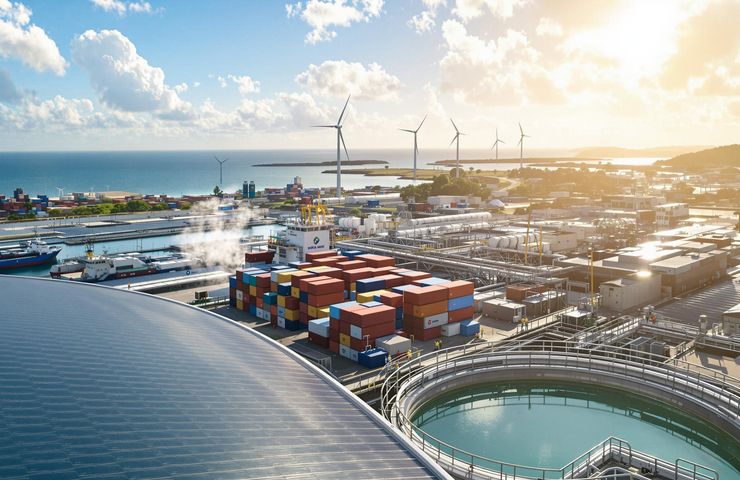
The World Bank has just greenlit a $134 million financing package to help kick-start a major green hydrogen hub at the Port of Pecém in Ceará, Brazil. Unveiled on July 10, 2025, the move marks a huge step forward for Latin America’s clean energy game, especially in a state that's often been left on the sidelines economically. The goal? Modernize the region’s infrastructure, drive policy transformation, and spark long-term, sustainable economic growth.
Key Details at a Glance
- Where’s it happening? Right at the Port of Pecém, Ceará — a spot that’s practically tailor-made for this project thanks to its strong solar and wind energy potential.
- What’s the investment? $134 million, backed by the World Bank through both IBRD and CIF channels.
- What’s it for? Supporting policy reform, upgrading infrastructure, and digging into technical and feasibility studies for green hydrogen.
- Who's involved? Italian firm RINA is handling water resource assessments to make sure hydrogen production stays ecologically responsible.
- How it fits in: It aligns perfectly with Brazil’s climate goals under the Paris Agreement, as well as Ceará’s own Plano Verde push for green industrialization.
Why This Project Really Matters
This is more than just another infrastructure project — it’s about serious industrial decarbonization. The hub is expected to help Brazil carve out a space for itself in the fast-emerging hydrogen production market. Ceará, long overlooked in national development strategies, is now leveraging its renewables potential to pull in clean-tech investment, generate greener jobs, and tackle longstanding regional inequality.
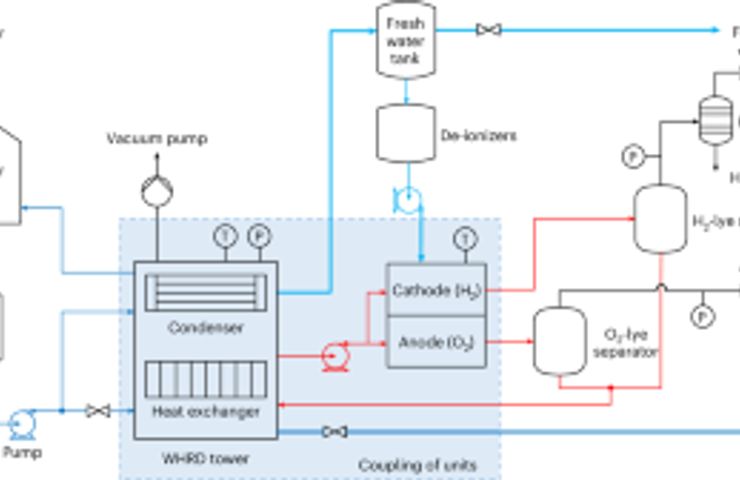
Green hydrogen is gaining traction worldwide as a cleaner, smarter energy option. It’s especially valuable in tough-to-electrify industries like shipping, steel, chemicals, and fuel cell tech. Thanks to Brazil’s abundant wind and sun, producing hydrogen the clean way — through electrolysis, which splits water into hydrogen and oxygen using renewable electricity — is right in this region’s wheelhouse.
What’s in the Works
- Electrolysis in Action: The plan is to use renewable electricity to run electrolyzers that churn out emissions-free hydrogen fuel.
- Water Sustainability: RINA is on the ground evaluating water resources — a critical check, especially in a semi-arid area like Ceará.
- Policy Overhaul: Some of that World Bank funding is earmarked for smart reforms to get Brazil’s hydrogen market up and running.
- Looking Outward: Pecém’s proximity to key shipping routes makes it a prime location to export hydrogen and its byproducts to Europe and other global markets hungry for cleaner fuels.
The Bigger Picture
What’s really exciting here is the ripple effect. This project isn’t just about producing green hydrogen. It could help launch a broader movement toward sustainable energy and green re-industrialization — not just for Brazil but as a model for other countries trying to clean up their industrial sectors.
Even though no global players have officially made their final investment decision (FID) yet, the size of the World Bank’s commitment shows there’s serious momentum. Private companies are also beginning to test the waters, signaling strong interest in what’s next.
What’s at Stake
- What’s on the table? New job opportunities, entry into global energy markets, more diverse energy sources, and a potential closing of Brazil’s regional socio-economic gaps.
- What could go wrong? The elephant in the room is Ceará’s limited water resources — hydrogen needs water, and overuse could create new problems. There’s also the risk that local communities could be left out unless the project is built with inclusion in mind.
- What needs to happen? Strong, transparent regulation — especially around water and environmental impact — will be key to making this work for everyone in the long haul.
Final Thoughts
This is Brazil’s moment to lead on clean energy — not with oil rigs or pipelines, but with sunshine, wind, and a vision for a greener future. With the World Bank backing it and Ceará stepping up, the groundwork is here. What happens next depends on follow-through. The potential is real, but until deals are signed and building starts, this is a bold promise still waiting to be fulfilled.