UKRI Unveils £28 Million Ultra-Long Duration Energy Storage Challenge to Accelerate Hydrogen Storage and Advanced Batteries
UKRI’s new £28 million Ultra-LDES Challenge backs 100-hour discharge systems—advanced batteries and underground hydrogen storage—to bridge multi-day renewable gaps.
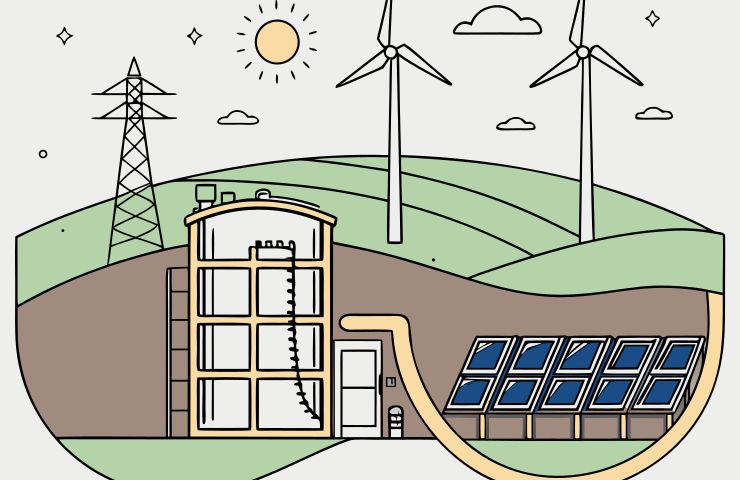
To help fortify the UK’s electricity grid during those frustrating stretches when wind and solar power take a back seat, UK Research and Innovation (UKRI) is rolling out the Ultra-Long Duration Energy Storage (Ultra-LDES) Challenge. They've got a hefty £28 million in public funding backing this initiative, which aims to bolster systems capable of storing and delivering clean power for at least 100 hours—enough to cover those pesky gaps that can last up to four days or longer when renewable energy generation dips.
Why Multi-Day Storage Matters
As we see more and more wind and solar energy contributing to the UK’s energy mix, relying solely on short-term battery solutions just won’t cut it during long stretches of low generation. Without a solid backup plan, households and businesses might find themselves leaning on gas-fired plants or dealing with those pesky ups and downs of wholesale prices. That’s where ultra-long duration energy storage comes into play, with hopes that this can lower costs, bolster energy security, and help us integrate renewables more smoothly into our grid.
How the Ultra-LDES Challenge Works
Dual Technology Tracks
The challenge is split into two key pathways:
1. Electrochemical Ultra-Long Duration Storage
2. Underground Hydrogen Storage
Strategic and Economic Context
The Ultra-LDES Challenge fits snugly within UKRI’s Clean Energy Superpower Mission and the broader R&D Missions Accelerator framework. It builds on previous competitions like the 2021 Longer Duration Energy Storage Demonstration contest, which examined various pathways on a smaller scale, including heat, battery, and hydrogen.
UKRI estimates that tapping into underground hydrogen storage alone could slice between £14 billion and £50 billion off our total energy system costs from 2035 to 2050. While these numbers are just projections, they hint at the massive economic benefit of bringing multi-day storage on board at scale.
Building a Domestic Supply Chain
But it’s not just about grid stability; this challenge is also a stepping stone toward establishing a robust UK industry focused on advanced batteries, electrolysis tech, and subsurface engineering. The government hopes that by taking on some of the early risks, private investors will jump in, which could really kick off manufacturing and lead to export-ready technologies.
Regulatory and Market Environment
Now, there’s a lot happening on the regulatory side too. Ofgem has rolled out a cap-and-floor framework for long-duration electricity storage, which could offer a revenue pathway for successful projects. At the same time, DESNZ’s focus on energy security aligns perfectly with the goal of shielding consumers from those unpredictable wholesale price spikes, although direct guarantees on retail bills aren’t part of this funding round.
What’s Next?
For those looking to get involved, applicants will need to craft detailed technical and commercial plans before the deadline set by UKRI. We can expect to see the awards later this year, with the first prototypes potentially making their debut by the end of the decade. It’ll be interesting to see which technology—battery-based or hydrogen-centric—comes out on top regarding reliability, cost, and scalability.
Ultimately, the Ultra-LDES Challenge might just reshape the UK’s hydrogen infrastructure, expand our capabilities in green hydrogen production from surplus renewables, and set new standards for sustainable energy storage. As we race towards net zero, finding ways to fill those multi-day gaps in clean power supply is going to be crucial. This £28 million investment aims to kickstart that breakthrough.