Standardizing Green Hydrogen Production: Mexico’s Technical Guide Gains Momentum
Mexico’s H2México endorses the NGCO-12 Technical Guide for Green Hydrogen, setting criteria to streamline production, safety and environmental traceability.

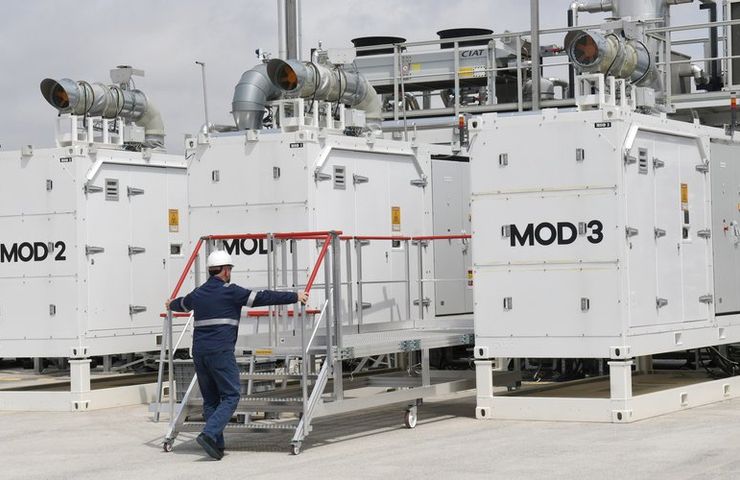
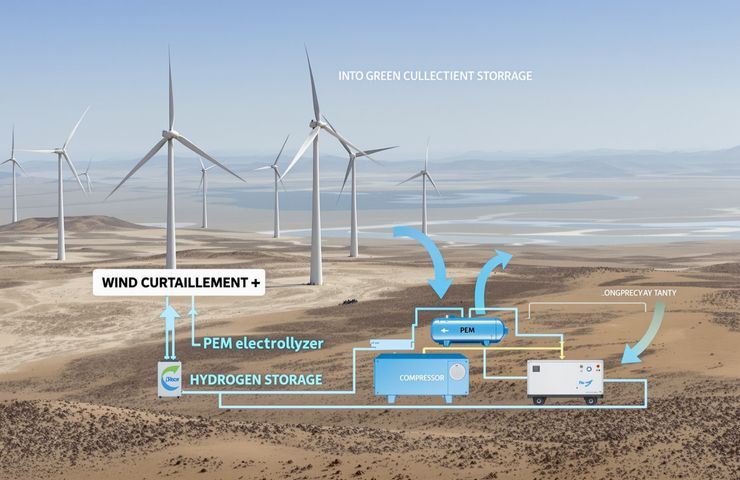
So, what does it really take to turn a bright idea about tackling climate change into something tangible? When you hear "green hydrogen" you might picture fancy electrolysis machines baking in the sun or silent compressors humming away. But the real magic happens behind the scenes, in the nitty-gritty details—the rules, risk assessments, and certifications that give investors and regulators the thumbs up to go big.
In an exciting move, H2México has stepped up to announce the progress of Mexico’s first-ever Guía Técnica de Hidrógeno Verde, or Technical Guide for Green Hydrogen. This isn’t just a document to collect dust; it’s packed with clear guidelines for how to produce, compress, store, and safely handle green hydrogen nationwide. While it’s technically still a guide, the content is all set and ready to be put into action right now.
Bridging the Regulatory Gap
Up until now, Mexico was juggling general industrial, environmental, and safety regulations instead of having specific hydrogen standards in place. Sure, companies would reference international codes like ASME B31.12 for piping or NFPA 2 for all things hydrogen, but that was scattershot at best. Reports from the Energy Partnership and H2México flagged this lack of unified standards as a big roadblock, ranking it right behind climate policy issues in terms of what’s holding back hydrogen projects.
With states like Sonora, Oaxaca, and Baja California boasting lots of renewable energy potential, Mexico has a golden opportunity to be a champion in hydrogen production. But, unclear guidelines on risk management, plant design, and environmental limits had investors hitting the brakes. In Mexico City, where most energy policy chatter happens, regulators and industry folks have been going back and forth on hydrogen’s potential for ages, but without a coherent playbook. Without clear standards, each project found itself on a different path, slowing down approvals and racking up engineering costs.
Inside the Technical Guide
The guide gets straight to the point, defining green hydrogen as hydrogen that’s generated through electrolysis using renewable energy sources. It’s clear that projects need to prove their clean electricity supply, whether that means using solar panels or wind turbines right on-site, or getting it from off-site power purchase agreements that come with Clean Energy Certificates. By laying down these traceability rules, the guide aims to protect the industry from any greenwashing scandals.
But it doesn’t stop there. The guide covers everything from production to compression and storage—two critical stages in the hydrogen value chain. It sets pressure limits, outlines material requirements for storage vessels, and demands regular inspections. This way, it helps prevent leaks and mechanical hiccups that can derail operations.
On the safety side, the guide brings in international best practices. It points to standards like IEC 31010 and ISO 12100 for risk management and translates those into the context of compression and storage systems. Expect to see rules about material choices to dodge hydrogen embrittlement, ventilation standards for explosive atmospheres, and specifications for things like leak detection, relief devices, and emergency shutdown protocols.
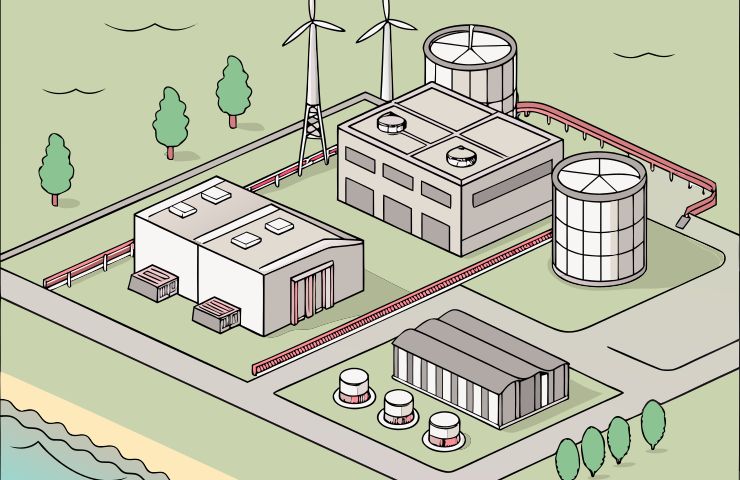
When it comes to designing electrolysis plants, there are detailed guidelines on equipment layout, electrical setups, and control systems. Pipeline operators are also expected to follow safety factors that align with ASME and NFPA to ensure high-pressure vessels and connections meet both Mexican safety norms and global engineering standards. Essentially, this guide offers a reliable blueprint for safety, quality, and technical assurance.
A Staged Approach
Instead of waiting for a complete overhaul of regulations, authorities are taking a more gradual approach. The guide is now open for public input, rolling out through a certification scheme led by NORMEX. Companies can start lining up with its guidelines right away, moving through documented testing and audits for compliance.
On the behind-the-scenes front, this document is gearing up to be an official standard under the upcoming Reglamento de la Ley de Infraestructura de la Calidad. Once that regulation goes live, the content of this guide will effortlessly transition into a binding standard without any changes. Think of it as a pilot project, speeding up implementation while ticking off the boxes for Mexico’s quality infrastructure law. This pilot strategy mirrors a larger trend in Mexico’s energy regulation: try, tweak, and then finalize, all to keep standards in sync with fast-paced tech advancements.
Beyond the Blueprint: Industry Implications
So, why should project developers and investors care? For starters, clear regulations mean less uncertainty when it comes to getting permits and securing funding. A consistent framework for safety and environmental standards makes it easier for banks, insurers, and partners to assess risks quickly and accurately. Plus, aligning with global standards simplifies technology transfer. International suppliers and engineering firms can work with familiar codes, which cuts down on the time it takes to procure equipment and design custom systems.
From an environmental standpoint, the guide’s focus on traceability is crucial for verifying emissions claims. As Mexico works to hit its Paris Agreement targets, it’s vital to ensure that hydrogen genuinely comes from renewable sources. The guide’s criteria for renewable supply mechanisms lay the groundwork for a solid market for clean energy certificates and power purchase agreements. By weaving environmental traceability rules into a formal certification process, this guide paves the way for robust hydrogen infrastructure development that can work alongside existing natural gas networks or dedicated pipelines.
According to H2México’s latest mapping of the ecosystem, there’s a wave of hydrogen projects rolling out across fifteen states, with investments reaching into the tens of billions. While the figures around project counts and funding are still in the estimating phase, the flurry of announcements signifies growing confidence in the market. A study led by H2México forecasts that scaling green hydrogen could unleash tens of billions in capital investments and create millions of jobs by the middle of the century, emphasizing just how crucial a clear regulatory framework is to this potential.
Looking Ahead
Now that we’ve got safety, quality, and environmental rules moving into a formal structure, the real challenge will be how pilot projects apply the guide in practice. How effectively will public feedback refine the guidelines? Can SENER weave this document into broader energy strategies? And could Mexico’s approach inspire other countries in Latin America to set standards for their own hydrogen industries?
One thing is certain: by bridging the divide between strategy and regulation, this guide turns lofty goals into practical checklists. It nudges Mexico closer to establishing a well-structured green hydrogen economy, complete with certification systems that communicate credibility to the global stage. In a domain where technical reliability can make or break funding opportunities, having a national playbook might just be the spark that ignites real production.