SK Innovation E&S, Deokyang Energen Partner to Expand Hybrid Hydrogen Refueling Stations in South Korea
SK Innovation E&S and Deokyang Energen will develop five hybrid hydrogen refueling stations in South Korea, combining gaseous and liquefied supply to boost infrastructure.
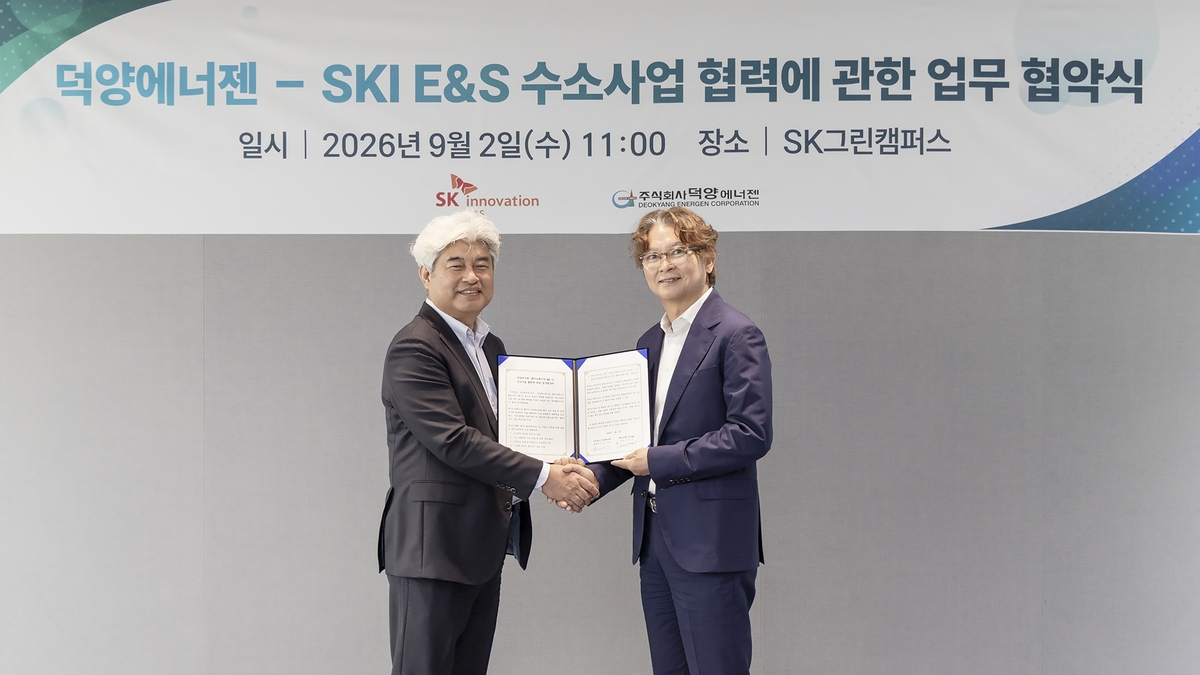
Just recently, SK Innovation E&S and Deokyang Energen teamed up in Seoul to kick off a new venture aimed at developing a network of hydrogen refueling stations. This isn’t just any plan—it's a smart integration of both compressed gaseous and cryogenic liquid hydrogen supplies to tackle a big hurdle in South Korea’s ever-expanding hydrogen economy.
Bringing Together Gaseous and Liquefied Hydrogen
So, here's the game plan: they’re starting off with five strategic locations chosen for their ability to cater to hydrogen-powered commercial fleets, including buses and heavy-duty trucks. Under this partnership, Deokyang Energen, known for its knack for turning industrial byproduct hydrogen into high-purity gaseous hydrogen, will handle the investment and construction of the compressed gas refueling systems. On the flip side, SK Innovation E&S—fresh off a big merger in 2024 and operating a liquefied hydrogen plant in Incheon that boasts a 30,000-ton annual capacity—will bring its cryogenic expertise to the table, installing liquid hydrogen dispensers along with the necessary storage.
Technical Design and Capacity Insights
Each of these hybrid stations is set to feature high-pressure compressors, buffer storage for gaseous hydrogen, and a liquefaction-to-dispense unit for the cryogenic fuel. Industry analysts estimate that establishing each site will run about 6 billion won, with an expected annual throughput of around 180 tons of gaseous hydrogen. This dual-format setup is designed to make logistics smoother by using liquid hydrogen for those larger deliveries, while also allowing gaseous supply to be topped off from regional pipelines or tube trailers. This kind of flexibility is a smart way to deal with hydrogen infrastructure challenges, helping balance supply fluctuations and aligning hydrogen production sources with the demand from vehicles.
Smart Timing and Market Impact
This partnership couldn't come at a better time, coinciding with South Korea’s push to ramp up hydrogen mobility. The government is backing this with subsidies for fuel cell buses and trucks, as well as financial support for building new stations. By weaving together production and retail infrastructure, these partners are hoping to diminish the commercial risks that have previously hampered earlier station launches. Plus, having reliable commitments from fleet operators can help reassure financing and project viability, while a consistent supply pipeline incentivizes investments in new electrolyzer capacity or capturing more industrial byproducts.
A Closer Look at the Companies
SK Innovation E&S was born from the merger of SK Innovation and SK E&S, with big ambitions to create a comprehensive hydrogen value chain that covers everything from production to distribution and consumption. That Incheon liquefaction plant is a key asset in this vision, facilitating bulk transport and mass refueling. Additionally, they’re making moves to stimulate demand for hydrogen-powered commercial vehicles and are partnering up with operators to secure volume commitments.
On the other hand, we have Deokyang Energen, which spun off from an industrial gases giant in 2020. They’ve made quite the mark by converting byproduct streams into ultra-pure hydrogen. After hitting the public markets with an IPO on KOSDAQ this year, they’re now eyeing the mobility sector to expand their customer base, with plans to pour some IPO funds into infrastructure investment once everything’s confirmed.
Comparative Cases: Hybrid Stations Across the Globe
If we look internationally, hybrid station models are gaining traction in Europe and North America, motivated by the need to manage high capital expenditures and fluctuating demand. These joint ventures between electrolyzer producers and gas utilities have tested combined sites that utilize liquid imports for long-haul routes, while employing on-site compression for local fleets. The Korean project is tapping into some of that same reasoning but is leveraging a domestic industrial hydrogen supply pool instead of solely relying on renewable electrolysis.
Navigating Regulations and Environmental Factors
Even with government subsidies speeding up station rollouts, there are still hurdles like getting permits for those cryogenic units and high-pressure systems, which can be quite tedious. The safety regulations add a layer of complexity with stringent design standards and operational protocols. Moreover, while we can brag about zero tailpipe emissions, the environmental benefits go hand in hand with the carbon intensity of the hydrogen supply. Automotive emissions might be nil, but we still have to watch for emissions upstream from byproduct capture or the energy used in liquefaction to genuinely achieve decarbonization.
Policy Landscape and Incentives
The South Korean government isn’t just sitting back—their ambitious targets aim to incorporate zero-emission vehicles into both public and private fleets, with a goal of deploying over 7,800 hydrogen-powered vehicles and more than 500 refueling stations by the mid-decade mark. These subsidy programs are designed to cover a big chunk of the station setup costs and offer rebates for fleet operators, all in the name of boosting early demand and speeding up hydrogen infrastructure deployment. But there’s a catch: they come with strict performance criteria like uptime guarantees and minimum dispensing volumes.
Financing Strategies and Risk Management
Each station’s capital needs are estimated to hover around 6 billion won, so striking a solid balance between equity and debt is crucial. Partners might tap into low-interest loans that have some backing from the government, which could draw in institutional investors looking for stable, long-term returns. Solid offtake agreements with commercial operators can also help mitigate demand risks, while shared investments spread technical and financial exposure. However, uncertainties like fluctuating subsidy levels and shifting commodity prices can bring a level of financing risk that everyone involved needs to keep a close eye on.
Environmental Insights and Carbon Footprint
When it comes to air quality, having zero tailpipe emissions is a great immediate perk—especially in busy urban streets and port areas where heavy-duty vehicles tend to congregate. But we can’t ignore the upstream carbon intensity of our hydrogen resources. The supply from Deokyang Energen comes primarily from industrial byproducts and refining processes, which can have a lower CO₂ footprint in comparison to traditional methods, though it still contributes to emissions. Plus, using energy for liquefaction adds another layer of indirect emissions. Careful lifecycle assessments will be critical to ensuring this hybrid station network really pushes the envelope toward achieving decarbonization goals.
Looking Ahead: Competitive Landscape and Trends
While this collaboration might be one of the first significant hybrid station deals in Asia, it’s clear that the competition is heating up worldwide. Electrolyzer manufacturers alongside renewable energy companies are diving into off-grid station models that combine local green hydrogen production with battery storage to cut transport expenses. If costs for renewable-powered electrolysis drop even further, future hybrid stations could lean heavily into local production. The ability of SK Innovation E&S and Deokyang Energen to adapt their network to the constantly shifting hydrogen production economics will likely be a game-changer.
Wrapping Up
Assuming those first five stations hit their utilization targets, SK Innovation E&S and Deokyang Energen have plans to expand, focusing on industrial hubs and ports where the transport action is high. If they nail it, this could open up fresh private investment opportunities for hydrogen infrastructure in South Korea and maybe even create a model for fusing industrial and mobility supply chains. Still, the success of this approach will undoubtedly hinge on maintaining steady demand from fleet operators, securing regulatory approvals for cryogenic setups, and the partners’ ability to scale both production and retail operations smoothly.
In the end, the success of this hybrid refueling initiative will hang on how quickly they can execute, how well they align with regulatory demands, and how effectively they can cultivate consistent demand from fleet operators. Should the model prove robust against supply chain hiccups and shifting market landscapes, it might just become the go-to example for integrated hydrogen infrastructure networks in other advanced economies.