Siltrax Validates Silicon Bipolar Plates in Hydrogen Fuel Cell Tests, Advancing Fuel Cell Technology
Siltrax and UNSW tests confirm silicon bipolar plates deliver double power density and superior durability for hydrogen fuel cells, backed by CEFC funding and TÜV certification.

Aussie startup Siltrax is making some noise in the fuel cell world with its silicon-based bipolar plates, which have just been put to the test at the University of New South Wales as part of the TRaCE program. The results are impressive—these plates are delivering about twice the power output of traditional graphite ones, getting corrosion resistance that’s 26 times better than stainless steel, and boasting ten times better heat transfer. With the additional boost from TÜV Rheinland’s certification of Siltrax’s G-100 stack’s outstanding power densities, the door is wide open for commercial trials in areas like heavy transport, aviation, materials handling, and even distributed energy systems.
Testing and Collaboration
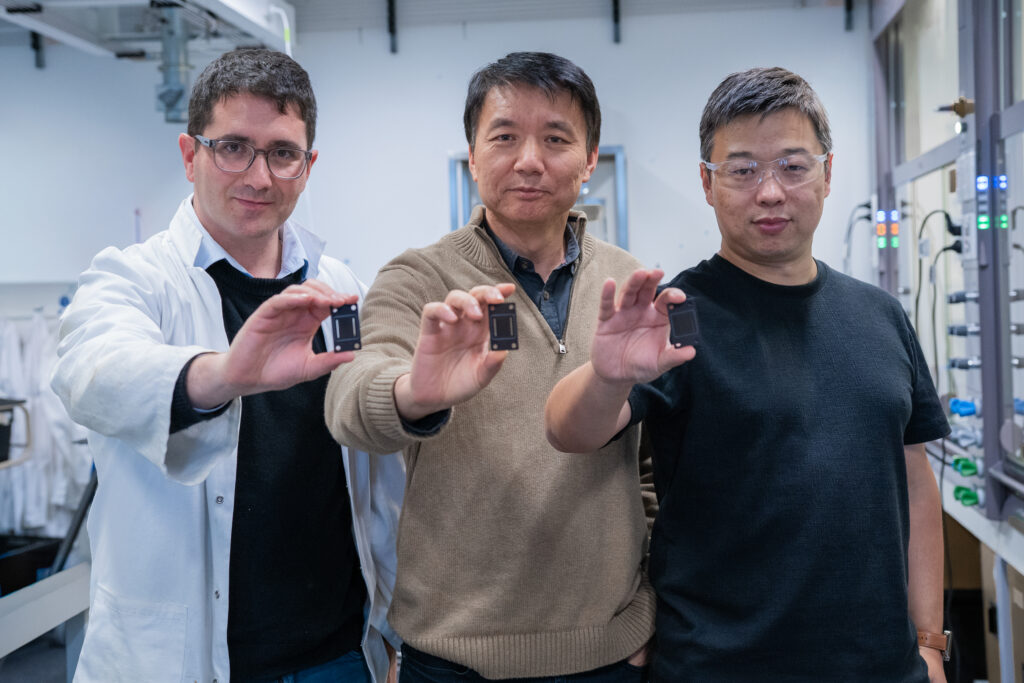
The exciting Trailblazer for Recycling and Clean Energy (TRaCE) program has teamed up with Siltrax and the UNSW’s NanoElectroChemistry Lab. Under the guidance of Dr. Quentin Meyer and Laureate Professor Chuan Zhao, they ran tests comparing these ultra-thin, doped silicon plates with traditional materials like graphite and stainless steel, confirming all the material plus points when it comes to electrical, chemical, and thermal performance.
How It Works
So, how do these PEM fuel cells actually work? It all starts with hydrogen splitting at the anode, allowing protons to cross the membrane while electrons flow through an external circuit. The bipolar plates sit between the cells, directing gases and coolant, conducting current, and helping stack compression. Siltrax has introduced some pretty nifty innovations:
By tapping into semiconductor and photovoltaic fabrication techniques, Siltrax aims to ramp up plate production using existing wafer supply chains, which could lead to lower costs compared to traditional graphite or metal machining.
University Partner Profile
The University of New South Wales has made quite a name for itself in chemistry, nanotechnology, and photovoltaics. Their NanoElectroChemistry Lab has been at the forefront of advancing electrochemical energy materials for years. Thanks to TRaCE support, UNSW and Siltrax have taken previous silicon-based research and scaled it from micro fuel cells to larger, macro-scale plates, showcasing the power of industry-research collaborations.
Strategic and Financial Context
Backing from the Clean Energy Finance Corporation with a $7 million investment—paired with funds from Virescent Ventures—fits perfectly within Australia’s National Hydrogen Strategy and initiatives at the state level focusing on hydrogen hubs. This shift makes it clear: there’s a real push for advanced applications of fuel cells, moving beyond just hydrogen production. Plus, TÜV Rheinland’s IEC 62282-2-100 certification makes safety approvals a breeze in Europe, North America, and Asia, paving a smoother path for equipment manufacturers.
Commercial Path
Siltrax is ready to hit the road with commercial pilots of its G-100 stack in sectors that are all about high power density and durability:
Field trials are on tap to validate the mechanical toughness and cost-effectiveness of these stacks in real-world situations!
Implications for Hydrogen Infrastructure
When it comes to fuel cell technology, the improvements ripple throughout the hydrogen value chain. Enhanced efficiency and lifespan of stacks can:
Policy and Industry Context
Australia’s National Hydrogen Strategy is on a mission to take a global lead in green hydrogen, supported by regional hubs and production incentives. Initiatives in New South Wales have already funded infrastructure pilots and R&D efforts. Innovations in materials, like these silicon plates, go hand-in-hand with boosting electrolysis capacities and fueling networks, forming a complete pathway from renewable resources to fuel cell outputs.
The CEFC’s interest in fuel cell technology follows previous backing for electrolyser developers, signaling a comprehensive approach to building up the hydrogen economy. Analysts predict that strong, high-value supply chains will emerge from local innovations combined with export-driven manufacturing.
Electrolyser Extension
And it doesn’t stop there—Siltrax’s silicon technology also ventures into PEM electrolysers. Early data suggests a potential efficiency of around 70% (LHV) thanks to improved water distribution and heat management. If confirmed, this could significantly lower electrolyser costs, which is often a sticking point in green hydrogen production, and create tighter connections between production and consumption.
Challenges and Next Steps
But before everything can take off, there are some challenges that need tackling:
Ongoing trials will provide crucial data on durability, costs, and integration, helping to shape the future of investments and partnerships in this exciting space.
Market Outlook
The appetite for high-performance hydrogen fuel cells is surging, especially in mobility and stationary power sectors. Traditional suppliers of graphite and metal plates are feeling the heat to compete with silicon’s impressive metrics in power density, weight, and durability. OEMs are on the lookout for modular, certified power units that require minimal redesign. With TÜV certification backing them up, silicon plates are positioned to sneak into premium markets before rolling out to wider audiences.
As Siltrax moves forward, they’ll be focusing on pilot fleet deployments, diving into the nitty-gritty of manufacturing costs, and assessing long-term durability benchmarks. Achievements in these areas could unlock new rounds of funding, strategic partnerships, and accelerate the commercialization of both fuel cell and electrolyser technologies.
Outlook
With solid government support, validation from esteemed universities, and international certification in the bag, Siltrax is definitely one to watch in the race for next-gen fuel cell stacks. If their commercial trials replicate the fantastic lab results, we might see silicon-based plates redefine industry standards when it comes to power density, weight, and durability. This could speed up the rollout of hydrogen infrastructure and push forward the agenda for industry decarbonization. As more OEMs explore new materials, we might just see silicon plates transition from an innovative idea to an industry staple, fueling a new chapter in the world of clean hydrogen applications.